Category: Coffee Culture

  • The richness of Java Coffee: exploring Flavor and History

    The richness of Java Coffee: exploring Flavor and History

    Coffee, a beloved beverage cherished by millions around the globe, comes in countless varieties. One such variety that has captivated the palates of coffee enthusiasts is Java Coffee. This unique coffee hails from the Indonesian island of Java and boasts a diverse range of flavors and types. In this article, we’ll delve into the origins, types, and brewing techniques of Java Coffee, offering you a comprehensive guide to this aromatic delight.
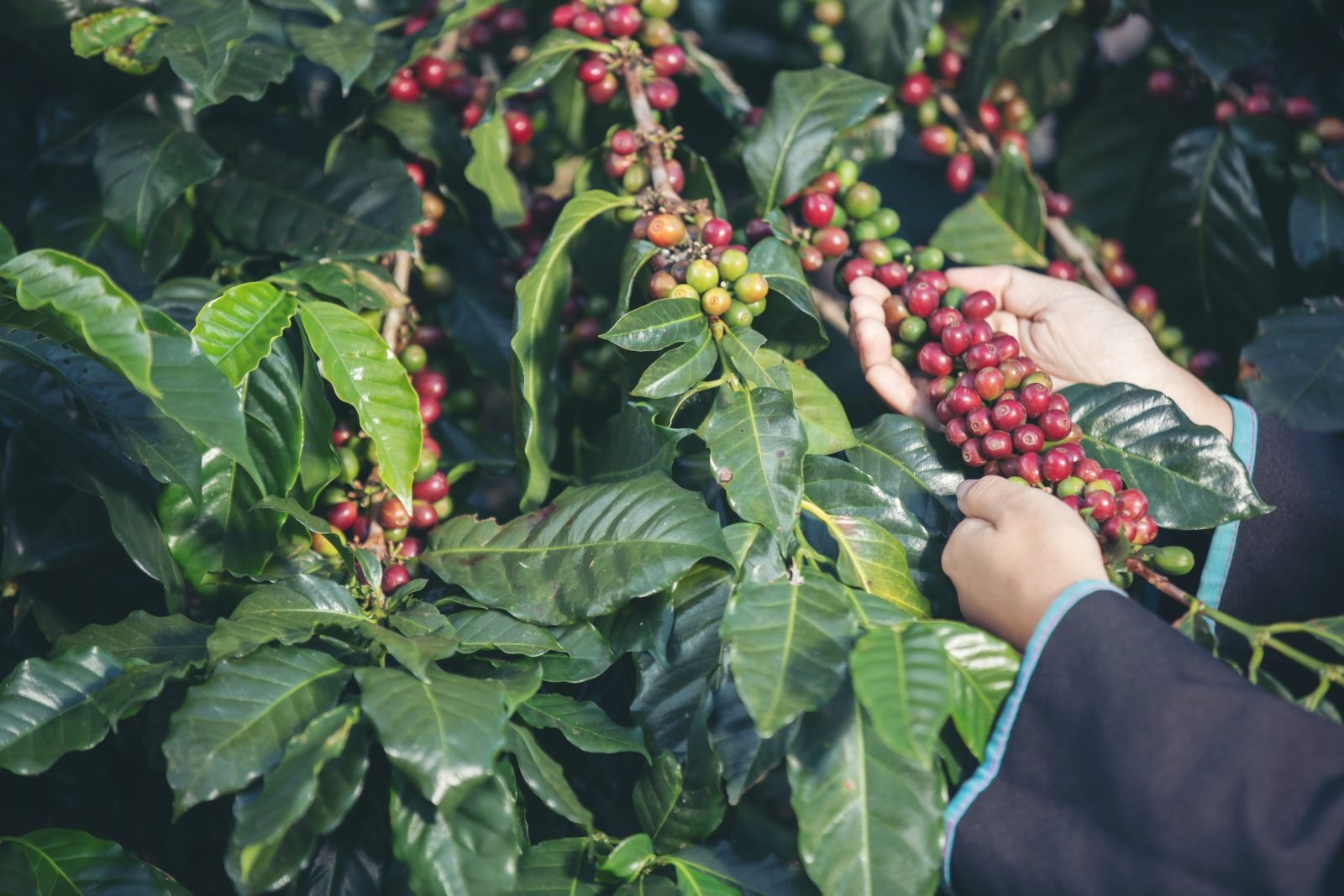
    Java Coffee

    Also Read: 10 Reasons Why Java Ijen Coffee is the Perfect Morning Brew

    What is Java Coffee?

    Java Coffee is coffee farmed and harvested on the Indonesian island of Java. It is well-known for its distinct flavors and historical significance in the coffee industry. Java was one of the first areas where coffee cultivation began, thanks to Dutch colonialists in the 17th century.

    Java coffee is frequently classified into many varieties based on the geographical locations of Java where it is grown and the processing processes utilized. Java Coffee comes in a variety of kinds, including Arabica and Robusta beans, each with its own flavor profile and features.

    Java coffee beans are influenced by the island’s distinctive climate, volcanic soil, and geographical factors, which contribute to the flavor richness of the coffee. Java Coffee’s flavors can range from mild and smooth to bold and intense, depending on factors such as bean variety, altitude, and processing procedures.

    Overall, Java Coffee has a particular place in the hearts of coffee lovers due to its rich history, diverse flavors, and legacy as one of the early pioneers in the worldwide coffee trade.

    Java Coffee

    Different Types of Java Coffee

    Java Ijen Green Coffee Beans:

    aceh gayo grade 1

    In the highlands of East Java, Indonesia, thrives an exceptional and sought-after coffee variety known as Java Ijen. The unique combination of volcanic soil and favorable climate in this region gives rise to premium coffee beans imbued with distinctive flavors and aromas. The name of this coffee is inspired by the iconic Ijen volcano, renowned for its mesmerizing blue flames and turquoise sulfuric lake.

    Renowned among coffee aficionados, Java Ijen coffee boasts a flavor profile unlike any other, characterized by rich notes of dark chocolate, caramel, and subtle hints of citrus and floral undertones. The beans are carefully hand-selected and undergo meticulous cleaning and sun-drying processes.

    With its limited availability, Java Ijen has garnered a growing following as coffee enthusiasts worldwide seek to indulge in this unique and exotic brew. Today, Java Ijen coffee is relished by connoisseurs across the globe, standing proudly as one of Indonesia’s most exceptional specialty coffees.

    Java Preanger Green Coffee Beans:

    java prenager

    Explore the excellence of green Arabica Java Preanger coffee beans, a prestigious variety originating from the renowned Preanger region in Java, Indonesia. These Arabica Java Preanger beans are celebrated for their exceptional attributes, distinct flavor profile, and historical significance, promising an exceptional coffee journey. Rooted in the fertile volcanic soil, elevated terrains, and favorable climate of Java, they encapsulate the heritage of Indonesian coffee.

    The Preanger region’s farmers adhere to a time-honored tradition and employ meticulous cultivation practices to ensure the utmost quality in their coffee production. The selection process involves the careful handpicking of mature trees, followed by a rigorous sorting process to curate only the finest beans.

    Central to the production process is sustainable and equitable principles, fostering environmental preservation and supporting local coffee farming communities. These Arabica Java Preanger beans exhibit a unique and intricate flavor profile, artfully capturing the essence of Java’s rich coffee legacy. With its velvety body, harmonious acidity, and delightful notes, it stands as a testament to Java’s captivating history and distinctive character.

    Indulging in Arabica Java Preanger coffee beans offers a glimpse into the finest offerings of Java, encapsulating a blend of coffee craftsmanship and historical richness in every cup, catering to both seasoned coffee enthusiasts and those intrigued by the allure of coffee’s past.

    Also Read: Why Indonesian Arabica Coffee is a Must-Try for Coffee Lovers

    Robusta Java Green Coffee Beans:

    Robusta Java green coffee beans represent a unique and robust coffee variety cultivated in the coffee-growing regions of Java, Indonesia. These beans are notable for their distinct characteristics, which set them apart from other coffee types. Robusta coffee, in general, is recognized for its bold flavor profile and higher caffeine content compared to Arabica coffee.

    Robusta Java green coffee beans thrive in the island’s fertile volcanic soil and favorable climatic conditions, contributing to their robust and vigorous nature. The beans are carefully harvested and processed to preserve their inherent qualities.

    Flavor Profile of Java Coffee

    The flavor profile of Java Coffee is a delightful combination of various tastes and aromatic elements that arise from its unique growing conditions, processing methods, and bean varieties. Here’s a breakdown of its flavor profile:

    1. Mild and Smooth: Java Coffee is known for its mild and smooth taste, characterized by a gentle acidity that is not overpowering. This quality makes it an approachable choice for a wide range of coffee enthusiasts.
    2. Chocolate Notes: Many varieties of Java Coffee exhibit distinct chocolatey undertones. You might find hints of dark chocolate, cocoa, or even milk chocolate, which contribute to a pleasant and comforting flavor.
    3. Nutty Nuances: Another prominent aspect of Java Coffee’s flavor profile is its nutty notes. These can range from subtle almond, and walnut hints to more pronounced flavors, adding depth and complexity to the brew.
    4. Floral Aroma: Some Java Coffee beans are known to carry a delicate floral aroma, adding a touch of elegance to the overall experience. These floral notes might be reminiscent of jasmine, lavender, or other blossoms.
    5. Subtle Citrus: A faint citrusy undertone can occasionally be detected in Java Coffee, providing a subtle zing that adds brightness to the cup. This element contributes to the overall balance of flavors.
    6. Earthy Undertones: Java Coffee’s connection to its volcanic soil is reflected in its earthy undertones. These notes can bring depth and a sense of terroir to the coffee’s flavor profile.
    7. Medium Body: Java Coffee often features a medium body, which refers to the sensation of weight and texture on the palate. This characteristic contributes to a satisfying mouthfeel.
    8. Balanced Acidity: The acidity in Java Coffee is usually well-balanced, not too sharp or overpowering. This balance allows for a pleasant and harmonious cup.
    9. Caramelized Sweetness: A touch of caramelized sweetness can be present in some Java Coffee varieties. This sweetness adds richness and depth to the overall flavor experience.
    10. Smooth Finish: Java Coffee tends to have a smooth and clean finish, leaving a lingering and pleasant aftertaste on the palate.

    In summary, Java Coffee’s flavor profile is a captivating medley of mildness, chocolate, nuts, florals, and earthy tones. Its balanced acidity and medium body contribute to a well-rounded and enjoyable cup of coffee. The unique combination of these characteristics reflects the island’s diverse growing conditions and the expertise of the coffee producers, making Java Coffee a cherished and sought-after choice among coffee enthusiasts.

    How to Brew Java Coffee

    Brew

    Brewing Java Coffee is a delightful process that allows you to unlock its unique flavors and aromas. Here’s a step-by-step guide to help you brew a delicious cup of Java Coffee:

    What You’ll Need:

    • Freshly roasted Java Coffee beans
    • Grinder (if using whole beans)
    • Filter (appropriate for your chosen brewing method)
    • Water
    • Brewing equipment (such as a drip coffee maker, French press, pour-over, or espresso machine)
    • Mug or coffee cup

    Steps:


    Choose Your Coffee Beans:
    Start with high-quality Java Coffee beans. Look for beans that are freshly roasted and suited to your preferred flavor profile.

    Measure Coffee:
    Measure your coffee beans according to your preferred coffee-to-water ratio. A general guideline is using about 1 to 2 tablespoons of coffee grounds for every 6 ounces (180 ml) of water.

    Grinding (if needed):
    If using whole beans, grind them just before brewing. For Java Coffee, a medium grind is often suitable for most brewing methods.

    Boil Water:
    Heat fresh, filtered water to the appropriate temperature for your chosen brewing method. For most methods, water temperature should be around 195-205°F (90-96°C).

    Pre-wet Filter:
    If using a pour-over or drip coffee maker, pre-wet the filter with hot water to remove any paper taste and warm the brewing vessel.

    Brewing Methods:

    • Pour-Over: Place the coffee grounds in the filter, then gradually pour hot water in a circular motion over the grounds. Allow the coffee to drip through the filter and into your cup.
    • French Press: Add the coffee grounds to the French press, then pour in hot water. Stir gently, place the lid with the plunger up, and let it steep for about 4 minutes. Press the plunger down slowly to separate the grounds from the brewed coffee.
    • Drip Coffee Maker: Follow the manufacturer’s instructions for your specific drip coffee maker. Add the appropriate amount of coffee grounds, add water to the reservoir, and start the brewing process.
    • Espresso Machine: If you have an espresso machine, grind your coffee to a fine consistency. Follow your machine’s instructions to extract a shot of espresso.

    Serve and Enjoy:
    Once brewed, pour the coffee into your mug or cup. Take a moment to appreciate the aroma before savoring each sip of your freshly brewed Java Coffee.

    Experiment and Adjust:
    The perfect cup of coffee is a matter of personal preference. Feel free to experiment with the coffee-to-water ratio, grind size, and brewing time to find your ideal balance of flavors.

    Remember that each brewing method may require specific adjustments, and the quality of your water and equipment can also impact the final result. With a bit of practice, you’ll be able to fine-tune your brewing technique to create a cup of Java Coffee that suits your taste perfectly.

    Also Read: Pour Over Coffee vs Drip: Which Brewing Method is Right for You?

    Where to Buy Java Coffee

    You can purchase Java Coffee from the website fnb.co.id. This platform offers a selection of high-quality Java Coffee beans that you can explore and order to enjoy the unique flavors and aromas of Java’s renowned coffee. Visit fnb.co.id to discover their range of coffee offerings and place your order to experience the rich heritage and exceptional taste of Java Coffee.

    Conclusion

    In conclusion, Java Coffee stands as a testament to Indonesia’s rich coffee heritage. With its diverse range of flavors, captivating history, and various brewing possibilities, Java Coffee offers a delightful journey for coffee enthusiasts. So, whether you’re a seasoned coffee connoisseur or a curious beginner, embarking on a quest to discover the world of Java Coffee is a voyage worth savoring.

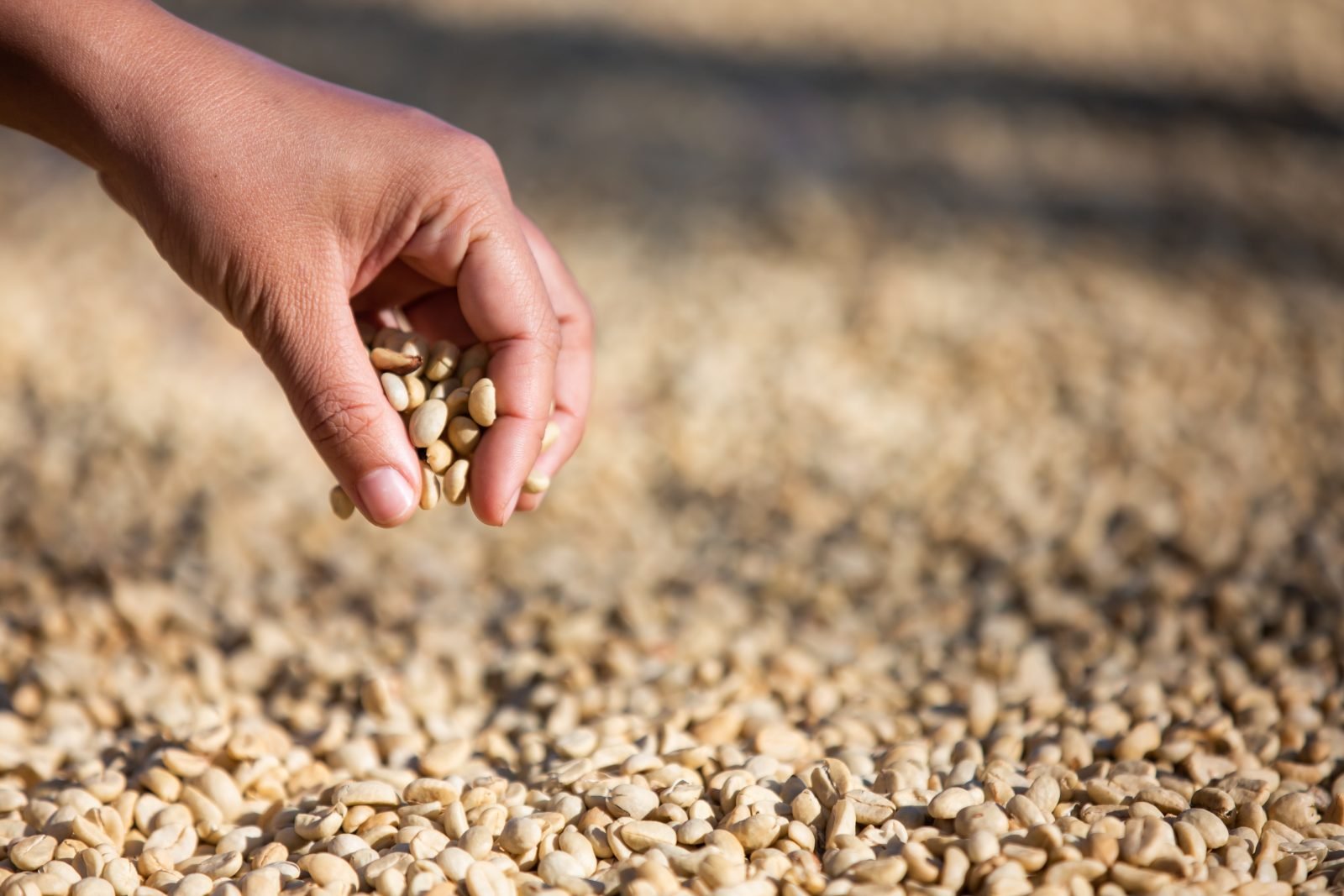
  • Unroasted Coffee Beans: Health Benefits & Why Try Them

    Unroasted Coffee Beans: Health Benefits & Why Try Them

    unroasted coffee bg

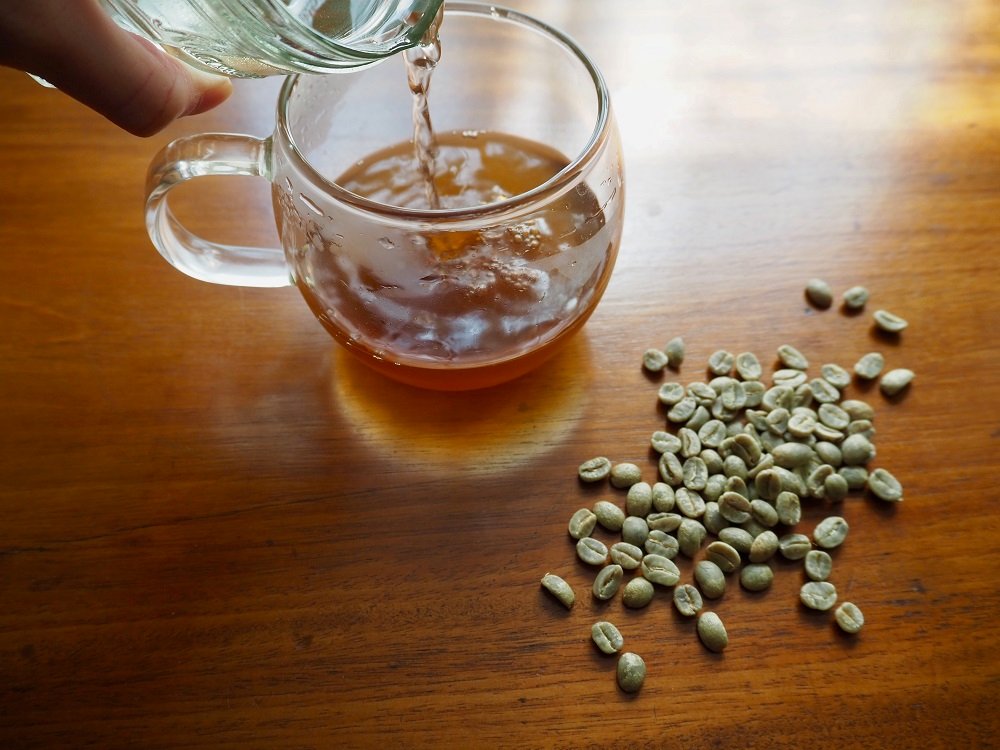
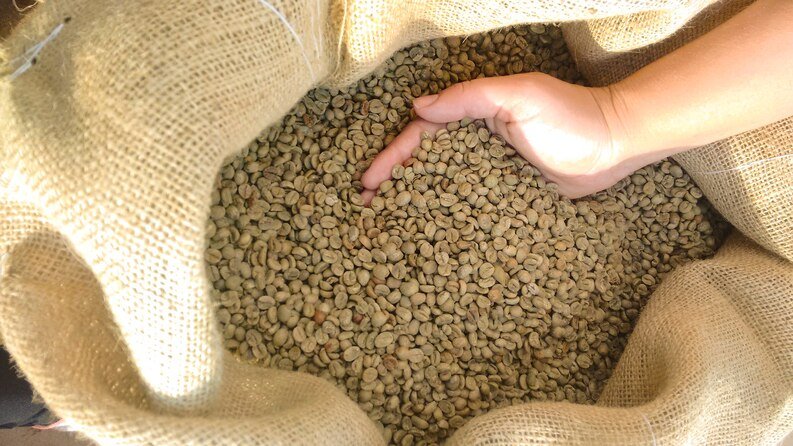
    Coffee is one of the world’s most popular beverages, but have you tasted unroasted coffee beans, commonly known as “green coffee beans“? These beans have recently acquired popularity due to their possible health advantages. They are thought to help with weight loss, metabolism, blood pressure control, and cognitive function. What distinguishes them is their distinct flavor profile – a grassy, slightly bitter taste that some people appreciate.

    Unroasted coffee beans are also versatile, making them perfect for a variety of recipes such as smoothies and baked products. By investigating this alternative kind of coffee, you can discover a new way to enjoy its flavor while perhaps reaping health benefits. Consider trying coffee beans for a unique coffee experience with potential health benefits.

    Also Read: Unroasted Green Coffee Beans: Better Tasting Espresso

    Health benefits of unroasted coffee beans

    This coffee Bean contains many beneficial compounds that are destroyed during the roasting process. This is why they are considered to be healthier than roasted coffee beans. Some of the health benefits of unroasted coffee beans are:

    Antioxidants in unroasted coffee beans

    These coffee beans are rich in antioxidants, which help to protect the body from damage caused by free radicals. Antioxidants are important because they can help to prevent a variety of diseases, including cancer. In fact, unroasted coffee beans have been found to contain more antioxidants than roasted coffee beans.

    Chlorogenic acid in unroasted coffee beans

    Chlorogenic acid is a compound found in coffee beans that has been linked to many health benefits. This compound has been shown to help with weight loss, lower blood pressure, and improve brain function. Chlorogenic acid works by inhibiting the absorption of carbohydrates, which can help to reduce blood sugar spikes after meals.

    Unroasted coffee beans for weight loss

    These coffee beans have been found to help with weight loss. This is because they contain chlorogenic acid, which has been shown to inhibit the absorption of carbohydrates. When carbohydrates are not absorbed, they are excreted from the body instead of being stored as fat. In addition to this, these coffee beans can also help to boost metabolism, which can further aid in weight loss.

    Comparison between roasted and unroasted coffee beans

    unroasted coffee beans

    Roasted and unroasted coffee beans have distinct characteristics that set them apart. Here’s a comparison between the two:

    • Flavor – Roasted coffee beans have a rich, complex flavor profile with notes of chocolate, caramel, and various other flavors depending on the roast level. On the other hand, unroasted coffee beans have a grassy, slightly bitter taste with herbal and earthy undertones.
    • Aroma – Roasted coffee beans produce a fragrant aroma, often described as nutty, toasty, or even fruity, depending on the roast. Unroasted coffee beans have a more subtle and raw aroma.
    • Caffeine Content – Unroasted coffee beans generally have a higher caffeine content compared to their roasted counterparts. The roasting process causes some of the caffeine to be lost, so if you’re looking for a stronger caffeine kick, unroasted beans might be the way to go.
    • Shelf Life – Roasted coffee beans have a longer shelf life compared to unroasted beans. The roasting process helps to stabilize the beans and preserve their flavor for an extended period. Unroasted beans, however, are more perishable and can lose their freshness relatively quickly.
    • Health Benefits – While roasted coffee is known for its antioxidant properties and potential health benefits, unroasted coffee beans, or green coffee beans, are believed to have higher levels of certain beneficial compounds. These include chlorogenic acid, which may aid in weight loss, blood sugar regulation, and other health benefits.

    Ultimately, the choice between roasted and unroasted beans comes down to personal preference, desired flavor profile, and specific health goals. Roasted beans offer a wide range of flavors and aromas, while unroasted beans provide a unique taste and potentially higher levels of certain beneficial compounds.

    Also Read: Be The Master! 4 Coffee Roasting Levels Chart: W/ Image & Guide

    How to make unroasted coffee

    unroasted coffee beans

    Making unroasted coffee is easy. All you need is a coffee grinder, a French press, and some unroasted coffee beans. Here’s how to do it:

    1. Grind the unroasted coffee beans in a coffee grinder.
    2. Add the ground coffee to the French press.
    3. Pour hot water over the coffee.
    4. Let the coffee steep for 3-4 minutes.
    5. Press down the plunger on the French press.
    6. Pour the coffee into a cup and enjoy!

    Where to buy unroasted coffee beans

    Unroasted coffee beans can be purchased from specialty coffee shops and online retailers. When purchasing unroasted coffee beans, it’s important to make sure that they are of good quality and have been ethically sourced.

    Risks and precautions

    Consuming unroasted coffee beans, or green coffee beans, may carry certain risks and precautions that you should be aware of:

    High caffeine content – Green Coffee beans generally contain higher levels of caffeine compared to roasted beans. Excessive consumption of caffeine can lead to side effects such as restlessness, increased heart rate, anxiety, digestive issues, and difficulty sleeping. It is important to moderate your intake and be aware of your caffeine sensitivity.

    Potential interactions with medications – Green coffee beans may interact with certain medications, including those for diabetes, blood pressure, and psychiatric disorders. The high levels of chlorogenic acid in unroasted beans can affect the absorption and metabolism of these medications. It is advisable to consult with your healthcare provider before consuming green coffee beans if you are taking any medications.

    Allergic reactions – Some individuals may be allergic to components present in coffee beans, both roasted and unroasted. If you have a known allergy to coffee or experience symptoms like itching, swelling, hives, or difficulty breathing after consuming coffee, it is best to avoid unprocessed coffee beans.

    Quality and contamination concerns – Green coffee beans can be susceptible to mold, fungi, and other contaminants. It is essential to ensure that you source your beans from reputable suppliers who follow proper quality control measures. Moldy or contaminated beans can pose health risks if consumed.

    Digestive issues – Unprocessed coffee beans contain higher amounts of certain compounds, such as chlorogenic acid, that can have a laxative effect and cause digestive discomfort, including stomach cramps and diarrhea, especially in sensitive individuals. It is recommended to start with small amounts and gradually increase your consumption to assess your tolerance.

    As with any dietary change or supplement, it is wise to consult with a healthcare professional before incorporating unroasted coffee beans into your routine, especially if you have any pre-existing health conditions or concerns. They can provide personalized advice based on your specific circumstances and help you make informed decisions.

    Conclusion

    Unroasted coffee beans are a great way to enjoy coffee while potentially reaping some health benefits. They are rich in antioxidants, chlorogenic acid, and other beneficial compounds that are destroyed during the roasting process. In addition to this, unroasted coffee beans have a unique flavor profile that some people find quite enjoyable. If you’re looking for a new way to enjoy coffee, give unroasted coffee beans a try! Just remember to consume them in moderation and check with your doctor if you are taking any medications.

  • 10 Reasons Why Java Ijen Coffee is the Perfect Morning Brew

    10 Reasons Why Java Ijen Coffee is the Perfect Morning Brew

    Java Ijen Coffee is a popular coffee variety that is known for its rich flavor and unique aroma. If you’re a coffee lover and haven’t tried Java Ijen Coffee yet, you’re missing out on a truly exceptional experience. Not only does Java Ijen Coffee taste amazing, but it also provides a range of health benefits that make it the perfect morning brew. From boosting your energy levels to reducing stress and anxiety, Java Ijen Coffee has a lot to offer. In this article, we’ll explore the top 10 reasons why Java Ijen Coffee is the perfect morning brew.

    Also Read: Java Arabica Coffee Beans: Characteristics, Taste & Where to Buy!

    History of Java Ijen Coffee

    why java ijen coffee

    Java Ijen Coffee has a long and colorful history. It is believed that coffee was first introduced to Indonesia in the 17th century by the Dutch. Java Ijen Coffee was first planted in the Ijen Plateau in the early 20th century. The coffee plants thrive in the volcanic soil and high altitude of the plateau, which gives the coffee its unique characteristics.

    Over the years, Java Ijen Coffee gained recognition for its exceptional taste and aroma. The beans are known for their medium to heavy body, low acidity, and rich, earthy flavor profile with hints of chocolate and spice. These unique characteristics have made Java Ijen Coffee highly sought after among coffee enthusiasts and specialty coffee markets.

    Despite facing challenges such as fluctuating weather conditions and increased competition, the coffee farmers of the Ijen Plateau have continued cultivating and producing high-quality Java Ijen Coffee. The beans are typically harvested by hand and undergo a meticulous process of sorting, drying, and roasting to preserve their distinctive attributes.

    Today, Java Ijen Coffee remains an important part of Indonesia’s coffee heritage and continues to be appreciated by coffee connoisseurs worldwide. Its rich history, coupled with the exceptional flavor profile derived from the unique terroir of the Ijen Plateau, makes Java Ijen Coffee a prized and cherished variety in the world of specialty coffee.

    Unique Characteristics of Java Ijen Coffee

    Java Ijen coffee is a unique and distinct coffee variety produced in the Ijen Plateau region of Java, Indonesia. It has several notable characteristics that set it apart from other coffee types. Here are some unique characteristics of Java Ijen coffee:

    1. Location and Terroir: Java Ijen coffee is grown in the Ijen Plateau region, located in eastern Java. The volcanic soil and high altitude of this region contribute to the coffee’s unique flavor profile.
    2. Flavor Profile: Java Ijen coffee is known for its rich, full-bodied flavor with low acidity. It often exhibits a smooth, well-rounded taste with notes of chocolate, nuts, and spices. The volcanic soil imparts a distinct earthiness to the coffee’s flavor.
    3. Unique Growing Conditions: The Ijen Plateau experiences a unique microclimate, with cooler temperatures and higher rainfall than other coffee-growing regions in Indonesia. These conditions contribute to slower maturation and the development of complex flavors in coffee beans.
    4. Traditional Processing: Java Ijen coffee is typically processed using the wet or washed method, which involves removing the coffee cherries’ outer skin before drying the beans. This method helps to preserve the coffee’s inherent flavors and produce a clean cup.
    5. Sustainable and Ethical Practices: Many coffee farmers in the Ijen Plateau region practice sustainable and ethical farming methods. They often employ shade-grown techniques and organic cultivation practices, minimizing the use of chemicals and promoting environmental conservation.
    6. Limited Production: Java Ijen coffee is produced in relatively small quantities compared to other coffee varieties. The limited production, combined with its unique characteristics, makes it a sought-after specialty coffee in the market.
    7. Cultural Heritage: Java has a rich history of coffee cultivation, and the Ijen Plateau region is deeply rooted in this tradition. The coffee industry in Java dates back to the 17th century when the Dutch brought coffee plants. Java Ijen coffee reflects this heritage and the expertise passed down through generations of coffee farmers.

    Overall, Java Ijen coffee stands out for its distinctive flavor, unique growing conditions, and cultural significance. It offers coffee enthusiasts a memorable and authentic experience with its rich taste and connection to the coffee traditions of Java.

    Also Read: Perfect Me Time! 4 The Best Way to Enjoy Coffee

    How Java Ijen Coffee is harvested and processed

    Java Ijen coffee is typically harvested and processed through several stages to ensure the production of high-quality coffee beans. Here is an overview of the common methods used for harvesting and processing Java Ijen coffee:

    1. Harvesting: The coffee cherries are selectively hand-picked when they reach the peak of ripeness. Skilled coffee farmers carefully choose cherries that are fully mature and have achieved the desired level of sweetness and flavor.
    2. Sorting: After harvesting, the coffee cherries undergo sorting to separate damaged or unripe cherries from the fully ripe ones. This step helps ensure that only the best-quality cherries move forward in the processing.
    3. Depulping: The next step involves removing the outer skin, pulp, and mucilage from the coffee cherries. This can be done using a de-pulping machine that mechanically separates the skin and pulp, leaving behind the coffee beans, also known as parchment coffee.
    4. Fermentation: The parchment coffee is then placed in fermentation tanks or bins, which are left to ferment for a specific period. Fermentation helps to break down any remaining mucilage and impart certain flavors to the beans.
    5. Washing: After fermentation, the coffee beans are thoroughly washed to remove any residual pulp or fermentation byproducts. This step is crucial to ensure the cleanliness and quality of the coffee.
    6. Drying: The washed coffee beans are spread out on drying beds or patios to dry under the sun. They are regularly turned and monitored to ensure even drying and prevent mold or other defects. Drying can take several days to weeks, depending on weather conditions.
    7. Hulling: Once the coffee beans have reached the desired moisture content, the dry parchment skin surrounding the beans is removed through a process called hulling. This reveals the green coffee beans inside.
    8. Sorting and Grading: The green coffee beans undergo further sorting and grading based on their size, shape, and density. This helps classify the beans into different quality grades and ensures consistency in the final product.
    9. Roasting: The green coffee beans are then roasted to develop their characteristic flavors and aromas. Roasting is a crucial step that requires skill and precision to achieve the desired roast profile.
    10. Packaging: Finally, the roasted coffee beans are packaged in various forms, including whole beans or ground coffee, and are ready to be distributed and enjoyed by coffee enthusiasts.

    It’s important to note that variations in harvesting and processing methods can occur depending on the specific practices of individual coffee farmers or cooperatives. The above steps provide a general outline of the typical process for Java Ijen coffee production.

    10 Reasons Why Java Ijen Coffee is the Perfect Morning Brew

    why java ijen coffee

    When it comes to kickstarting your day on a refreshing note, Java Ijen coffee stands out as the perfect morning brew. With its unique flavor profile and numerous health benefits, this Indonesian gem has captured the hearts of coffee enthusiasts worldwide. we’ll explore ten reasons why Java Ijen coffee is an exceptional choice to fuel your mornings with its invigorating aroma and exquisite taste.

    Unparalleled Flavor Experience

    Java Ijen coffee offers a delightful flavor experience that sets it apart from other coffee varieties. Grown in the rich volcanic soil of the Ijen Plateau, this coffee boasts a distinctively smooth and rich taste, often characterized by notes of dark chocolate, caramel, and subtle earthiness. Every sip is a journey for your taste buds.

    Exceptional Quality and Sourcing

    Java Ijen coffee is meticulously sourced and crafted with utmost care. The coffee beans are handpicked by skilled farmers who have mastered the art of selecting only the finest beans. The result is a premium quality coffee that reflects the dedication and expertise invested in its production.

    Sustainable Farming Practices

    The cultivation of Java Ijen coffee follows sustainable farming practices that prioritize environmental conservation. Farmers employ methods such as shade-grown cultivation and organic farming techniques, ensuring the coffee is not only delicious but also produced with a minimal ecological footprint.

    Rich in Antioxidants

    One of the remarkable health benefits of Java Ijen coffee lies in its antioxidant properties. Packed with natural antioxidants, this morning brew helps combat harmful free radicals in the body, promoting overall health and well-being.

    Increased Energy and Focus

    Java Ijen coffee contains caffeine, a natural stimulant that provides a welcome energy boost. By stimulating the central nervous system, it enhances focus, mental alertness, and productivity, making it an ideal choice to kickstart your day.

    Aids Cognitive Function

    Regular consumption of Java Ijen coffee has been associated with improved cognitive function. The caffeine content in this brew has been shown to enhance memory, attention, and concentration, giving your brain the boost it needs to tackle the day’s tasks.

    Boosts Metabolism

    For those aiming to manage their weight, Java Ijen coffee can be a valuable ally. The caffeine in this coffee variety temporarily increases metabolic rate, aiding in fat-burning and weight management.

    Enhances Physical Performance

    Java Ijen coffee’s caffeine content can improve physical performance by stimulating the nervous system and increasing adrenaline levels. This results in heightened endurance, reduced perceived exertion during exercise, and an overall improvement in athletic performance.

    Lower Risk of Diseases

    Research suggests that regular coffee consumption, including Java Ijen coffee, may be associated with a reduced risk of certain diseases. These include type 2 diabetes, liver disease, certain types of cancer, and cardiovascular conditions. Enjoying your morning cup of Java Ijen coffee may offer protection for your long-term health.

    Mood-Boosting Properties

    Starting your day with a cup of Java Ijen coffee can have a positive impact on your mood. The caffeine stimulates the release of neurotransmitters like dopamine and serotonin, which are known to uplift mood and promote a sense of well-being. Embrace the day ahead with a smile on your face.

    Also Read: Raw Coffee Beans: From Farm to Cup – The Enchanting Path of Fresh Flavors

    Conclusion: Why Java Ijen Coffee should be your new go-to morning brew

    Java Ijen Coffee is a delicious and unique coffee that provides a range of health benefits. From its rich, full-bodied flavor to its unique aroma, Java Ijen Coffee is the perfect morning brew. Whether you enjoy it black or with a splash of milk, Java Ijen Coffee is sure to become your new go-to coffee. So, what are you waiting for? Grab a bag of Java Ijen Coffee today and enjoy the perfect morning brew.

  • Wild Civet Coffee vs Captive Civet Coffee: Environmental Impact and Taste

    Wild Civet Coffee vs Captive Civet Coffee: Environmental Impact and Taste

    wild civet coffee vs cavtive civet coffee

    Are you a coffee connoisseur looking for the perfect cup of joe? If so, you’ve probably heard of the elusive and highly sought-after civet coffee. But did you know that there are two distinct types of civet coffee: wild civet coffee vs captive civet coffee? In this intriguing exploration, we will delve into the environmental impact and taste differences between the two.

    Wild civet coffee is known for its unique and rich flavor, as the civets roam freely in their natural habitat, selecting only the finest coffee cherries to feast on. On the other hand, captive civet coffee is produced by force-feeding civets in confined environments, raising concerns about animal welfare. Join us as we unravel the secrets behind these two contrasting methods of production and discover which one truly satisfies both your taste buds and your ethical standards. Get ready to embark on a flavorful journey that will leave you with a newfound appreciation for the fascinating world of civet coffee.

    Also Read: Do You Know? Fun Facts About Asian Palm Civet for You!

    Understanding the Difference between Wild Civet Coffee vs Captive Civet Coffee

    Civet coffee, also known as Kopi Luwak, is a unique and highly prized coffee produced from the feces of civet cats. These small, cat-like mammals are native to Southeast Asia and play an essential role in the production of civet coffee. However, the methods employed to obtain the coffee beans can vary significantly, resulting in two distinct types: wild civet coffee and captive civet coffee.

    Wild Civet Coffee

    These are obtained from civets that roam freely in their natural habitat. These nocturnal creatures have a natural affinity for coffee cherries and select only the ripest and finest cherries to eat. The cherries are then digested, and the coffee beans pass through the digestive system, undergoing a unique fermentation process. Afterward, the beans are collected from the feces, thoroughly washed, and roasted to perfection. The result is a coffee with a distinct and complex flavor profile, characterized by its smoothness, low acidity, and hints of chocolate and caramel.

    Wild Civet Coffee vs Captive Civet Coffee

    Captive Civet Coffee

    These Coffee, on the other hand, is produced under controlled conditions. Civets are captured and kept in captivity, often in cramped cages, where they have force-fed a diet consisting mainly of coffee cherries. This method of production aims to mass-produce civet coffee to meet the growing demand in the market. However, the force-feeding process raises ethical concerns as it goes against the natural behavior and welfare of the civets. Moreover, the quality of the coffee beans produced in these conditions is often compromised, resulting in a less desirable taste compared to its wild counterpart.

    Environmental Impact of Wild Civet Coffee Production

    The production of wild civet coffee has a minimal environmental impact compared to other forms of coffee production. In the wild, civets play a crucial role in the ecosystem as they help disperse the seeds of coffee plants. As they consume coffee cherries, the undigested seeds pass through their digestive system and are dispersed in their feces, leading to the growth of new coffee plants. This natural process contributes to the biodiversity and sustainability of the coffee ecosystem.

    Furthermore, This coffee production is typically practiced in small-scale and traditional farming systems. These farms often employ organic and sustainable farming practices, minimizing the use of synthetic pesticides and fertilizers. The coffee plants grow in harmony with the surrounding environment, resulting in healthier ecosystems and preserving the natural habitats of civets and other wildlife.

    Environmental Impact of Captive Civet Coffee Production

    In contrast to wild civet coffee production, this coffee production raises significant environmental concerns. The process involves capturing civets from their natural habitats and confining them in small cages for extended periods. This confinement not only affects the welfare of the animals but also disrupts the natural balance of the ecosystem.

    These coffee farms require large amounts of space to accommodate the growing demand for this luxury coffee. As a result, natural habitats are destroyed or altered to make way for these farms. Deforestation and habitat loss have severe consequences for the biodiversity of the region, leading to the displacement and extinction of many species.

    Additionally, These coffee farms often rely heavily on artificial fertilizers and pesticides to maximize production. These chemicals can contaminate the soil, water sources, and surrounding ecosystems, causing long-term damage to the environment and posing health risks to wildlife and nearby communities.

    Also Read: The History and Process of Civet Coffee in Indonesia

    The Ethical Concerns Surrounding Captive Civet Coffee

    This coffee production is marred by ethical concerns regarding the treatment and welfare of the civets involved. The practice of force-feeding civets a diet consisting mainly of coffee cherries goes against their natural behavior and can result in malnutrition, stress, and various health issues.

    Civets are solitary animals that require ample space to roam and exhibit natural behaviors. Confining them to small cages not only deprives them of their freedom but also leads to physical and psychological distress.

    Animal rights organizations have raised awareness about the unethical practices associated with this coffee production. The demand for this luxury coffee has led to an increase in the capture and trade of wild civets, further threatening their populations in the wild.

    Taste Comparison Between Wild and Captive Civet Coffee

    The taste of civet coffee is influenced by various factors, including the type of coffee cherries consumed, the fermentation process, and the roasting techniques. While both wild and captive civet coffee undergoes a similar fermentation process, the quality and taste can vary significantly.

    Wild civet coffee is renowned for its unique and complex flavor profile. The civets’ ability to select only the finest and ripest cherries results in a coffee with a smooth and mellow taste. The fermentation process in the civets’ digestive system adds depth and richness to the coffee, enhancing its flavor notes of chocolate, caramel, and even fruity undertones. The end result is a coffee that is highly prized by coffee enthusiasts for its distinct and luxurious taste.

    In contrast, captive civet coffee often fails to deliver the same level of quality and flavor. The force-feeding method used in this coffee production means that the civets consume a higher quantity of coffee cherries, including unripe and lower-quality cherries. This leads to a less refined taste, with increased bitterness and a lack of the unique flavor characteristics found in wild civet coffee.

    Factors Influencing the Taste of Civet Coffee

    Aside from the production method, several other factors can influence the taste of civet coffee. The origin of the coffee cherries, the altitude at which they are grown, and the processing techniques can all contribute to the final flavor profile. Additionally, the roasting process plays a crucial role in bringing out the unique flavors and aromas of civet coffee.

    Roasters who specialize in civet coffee often carefully control the roasting process to preserve the delicate flavors and nuances of the beans. This attention to detail ensures that the coffee retains its distinct characteristics, resulting in a premium cup of civet coffee that is truly a sensory delight.

    The Price and Availability of Wild Civet Coffee vs. Captive Civet Coffee

    Given the labor-intensive and limited production of civet coffee, it comes as no surprise that it is one of the most expensive coffees in the world. The rarity and exclusivity of civet coffee contribute to its high price tag, with wild civet coffee generally commanding a higher price than captive civet coffee.

    Wild civet coffee is produced in smaller quantities and requires a more meticulous collection process, making it considerably more scarce and expensive. The production of captive civet coffee, although more abundant, still comes at a premium due to the high demand and the costs associated with maintaining captive civet farms.

    When it comes to availability, wild civet coffee can be more challenging to find as it is produced in limited quantities and often sold through specialty coffee shops or online retailers. Captive civet coffee, on the other hand, is relatively more accessible, with a wider range of retailers and distributors offering this type of coffee.

    Also Read: Specialty vs Commercial Coffee: Which One is Right for You?

    Making an Informed Choice: Supporting Sustainable and Ethical Coffee Production

    As consumers, we have the power to make a difference by supporting sustainable and ethical coffee production. When choosing civet coffee, it is essential to consider not only the taste but also the environmental and ethical implications of the production method.

    Opting for wild civet coffee ensures that you are supporting a more sustainable and eco-friendly form of production. By purchasing coffee produced from civets in their natural habitat, you contribute to the preservation of biodiversity and the livelihoods of local communities.

    To ensure that the civet coffee you purchase is ethically sourced, look for certifications such as Rainforest Alliance or Fair Trade. These certifications guarantee that the coffee has been produced following strict environmental and ethical standards, ensuring that both the animals and the environment are treated with respect.

    By making an informed choice and supporting sustainable and ethical coffee production, you can enjoy a cup of civet coffee that not only tantalizes your taste buds but also aligns with your values and contributes to a better future for our planet.

    Conclusion: Balancing Taste, Ethics, and Environmental Impact in Coffee Consumption

    wild civet coffee

    In the world of coffee, wild civet coffee and captive civet coffee represent two distinct methods of production with significant differences in taste, environmental impact, and ethical considerations.

    Wild civet coffee, produced from civets in their natural habitat, offers a unique and rich flavor profile that is highly sought after by coffee enthusiasts. The production of wild civet coffee has a minimal environmental impact and supports sustainable farming practices.

    In contrast, captive civet coffee, produced through force-feeding civets in confined environments, raises ethical concerns and has a more significant environmental footprint. While captive civet coffee may be more accessible and affordable, it often falls short in terms of taste and quality.

    As consumers, it is crucial to consider the origins and production methods of the coffee we consume. By supporting sustainable and ethical coffee production, we can enjoy a cup of civet coffee that satisfies our taste buds while also respecting the environment and the welfare of animals.

    So, the next time you’re craving a cup of civet coffee, remember the choices you have. Choose wisely, and savor every sip of this unique and captivating beverage.

  • Indonesian Coffee Beans: Flavorful Delights with Mandheling Coffee

    Indonesian Coffee Beans: Flavorful Delights with Mandheling Coffee

    indonesian coffee beans

    Indonesia is known as a producer of high-quality specialty coffee beans. Indonesian coffee beans have become well-known in the coffee market for their distinctive taste and aroma. Mandheling Coffee is one of the coffees that stands out among the other types because of its great taste and sensory experience.

    The aim of this post is to delve into the interesting world of Indonesian coffee beans mandheling and investigate its different flavors and sensory experiences. Coffee lovers can fully appreciate and enjoy the delights of Mandheling coffee by learning about its origins, flavor profile, and brewing techniques.

    Also Read: 8 Types of Coffee Beans in Indonesia, Unique & You Must Try!

    Indonesian Coffee Culture and Heritage

    Indonesia has a long history with coffee, extending back to the late 17th century when the Dutch introduced coffee cultivation to the region. Coffee has become ingrained in Indonesian society, permeating social interactions, traditional rites, and daily living. Coffeehouses, or “warung kopi,” are essential community gathering places.

    Indonesian coffee beans have various traditional coffee-growing locations, each with its own distinct features. Aceh, Sumatra, Bali, Java, Sulawesi, and Flores are among these areas. The different climates, altitudes, and soil conditions of each location contribute to the variety of flavors found in Indonesian coffee beans.

    Indonesian coffee beans are quite important in the worldwide coffee market. The country is a significant exporter of Arabica and Robusta coffee beans. Indonesian coffee beans are prized for their full-bodied flavor, low acidity, and distinct flavor profiles. They are commonly employed in various coffee blends and are highly sought after by specialty coffee roasters worldwide.

    Introducing Mandheling Coffee

    Origins and Characteristics of Mandheling Coffee

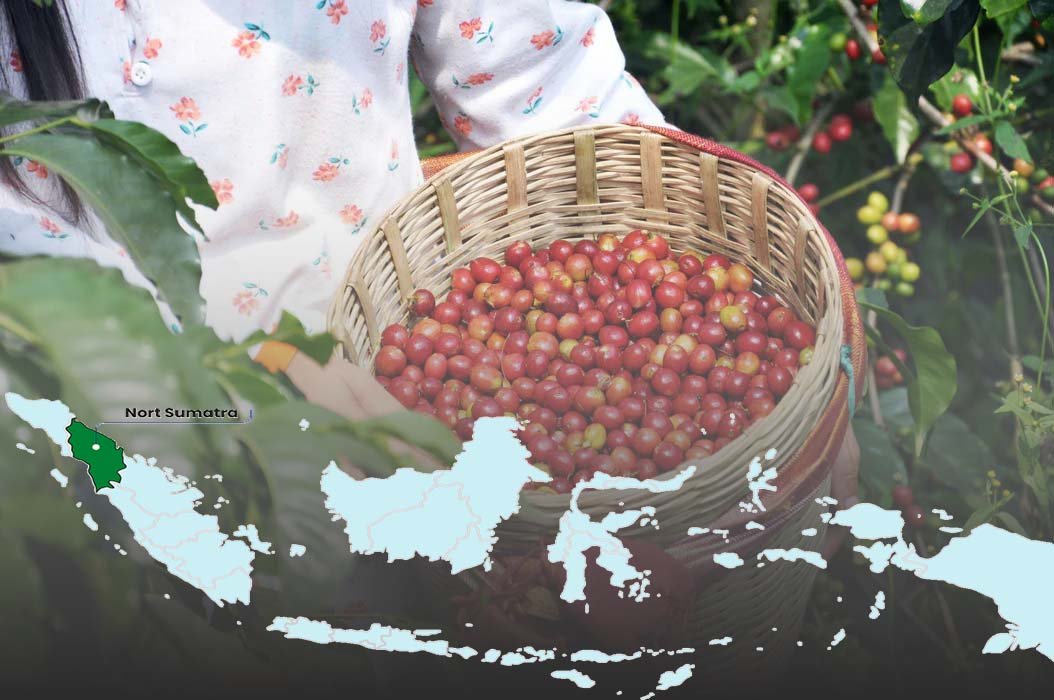
    Mandheling coffee is one of the best Indonesian coffee beans. Mostly grown in the mountains of North Sumatra, near the beautiful Lake Toba. It is produced with Arabica coffee, specifically the Typica or Bourbon subspecies. This region’s volcanic soil, highlands, and tropical temperatures contribute to the coffee’s exceptional quality and taste.

    Unique growing conditions and terroir that contribute to its flavor profile

    Mandheling coffee has a distinct flavor character due to the region’s unique growing conditions and terroir. The volcanic soil has important nutrients, and the high altitude slows the ripening process, allowing the coffee cherries to develop rich flavors. The combination of moderate temperatures, abundant rainfall, and shade from neighboring trees creates a microclimate that enhances the distinctive flavor of the coffee.

    Notable features of Mandheling coffee beans – size, shape, and color

    Mandheling coffee beans are distinguished by their bigger size when compared to other types of coffee beans. They are elongated in shape and have an asymmetrical look. The beans are visually appealing and intriguing due to their deep green color with traces of bluish-gray.

    Also Read: 6 Facts about Sumatra Mandailing Coffee

    Flavor Profile of Mandheling Coffee

    Describing the aroma notes of Mandheling coffee

    Mandheling coffee has an enticing aroma that is generally described as earthy, woody, and occasionally displaying delicate herbal undertones. It could also have notes of dark chocolate, spice, or tropical fruits. The aroma is strong and inviting, producing a sensory experience that distinguishes Mandheling coffee.

    Body and acidity levels that make Mandheling coffee distinct

    Mandheling coffee has a full body and a thick, syrupy texture. This feature provides the coffee with a strong presence on the palate. The moderate acidity lends to a pleasant, mellow flavor that allows the other components to show through. The mix of body and mild acidity distinguishes and enhances the drinking experience of Mandheling coffee.

    Coffee Brewing Techniques for Mandheling Coffee

    Indonesian coffee beans

    Recommendations for the ideal brewing methods to highlight its flavors

    Certain brewing methods are suggested to completely appreciate the distinct characteristics of Mandheling coffee, an exquisite variety of Indonesian coffee beans. Immersion brewing methods, such as the French press, or espresso extraction methods, such as espresso machines, can assist in extracting the rich flavors and highlighting the coffee’s hefty body.

    Exploring different brewing equipment suitable for Mandheling coffee

    Mandheling coffee is distinguished by its richness, deep earthy flavors, and prominent chocolate undertones. It has a mild acidity, which allows the full-bodied, silky body to shine. The earthiness of the coffee is suggestive of moss, cedar, and even tobacco, adding complexity and depth to its flavor profile.

    Tips for achieving the best brewing results

    Mandheling coffee has a full body and a thick, syrupy texture. This feature provides the coffee with a strong presence on the palate. The moderate acidity lends to a pleasant, mellow flavor that allows the other components to show through. The mix of body and mild acidity distinguishes and enhances the drinking experience of Mandheling coffee.

    Also Read: Cold Brew vs Hot brew: Everything You Need to Know

    Conclusion

    Mandheling coffee With a rich flavor, firm body, and low acidity, these Indonesian coffee beans provide a different sensory experience. Its earthy and brown tones, combined with an attractive aroma, make it a distinctive variety in the coffee market.

    Mandheling coffee is distinguished by its richness, deep earthy flavors, and prominent chocolate undertones. It has a mild acidity, enabling the full-bodied, silky mouthfeel to take center stage. The earthiness of the coffee is suggestive of moss, cedar, and even tobacco, which lends complexity and depth to its flavor profile.

    This persistent interest in Mandheling coffee stems from its ability to appeal to the senses and provide a truly unique coffee experience. As one of the Indonesian coffee beans, it exemplifies the country’s rich coffee legacy while providing a flavor profile that distinguishes out in the coffee world. We contribute to the preservation of Indonesian coffee culture and the livelihood of coffee farmers by enjoying and supporting Mandheling coffee.

  • Brewing Concerns: Can I Safely Drink Coffee While Breastfeeding?

    Brewing Concerns: Can I Safely Drink Coffee While Breastfeeding?

    Coffee and breastfeeding

    Understanding the Effects of Coffee While Breastfeeding

    As a breastfeeding mother, you may be wondering if it’s okay to have your daily cup of coffee. Understanding the effects of coffee while breastfeeding is critical for making informed decisions that benefit both your health and the health of your baby.

    Also Read: Can We Drink Coffee During Pregnancy? Look This Potential Risk

    The Presence of Caffeine in Coffee and its Impact on the Body

    Caffeine is a stimulant that can impact the central nervous system. Caffeine is taken into your circulation and can transfer into your breast milk when you drink coffee. As a result, your infant may be exposed to caffeine through nursing.

    How Caffeine Passes through Breast Milk

    Caffeine passes easily into breast milk and reaches a peak in your milk about an hour after consumption. Caffeine can take hours to clear from your system and your breast milk. Keep in mind that each individual’s metabolism of caffeine is different.

    Potential Effects of Caffeine on Infants

    While caffeine affects everyone differently, newborns’ metabolic systems are immature, making it more difficult for them to metabolize and eliminate caffeine. Caffeine consumption by nursing mothers may cause increased irritability, trouble sleeping, or fussiness in some newborns. It is crucial to remember, however, that not all infants will react the same way.

    Safe Limits of Coffee Consumption

    Determining the safe limits of coffee consumption while breastfeeding is critical for ensuring your baby’s safety while yet enjoying your favourite beverage.

    • Recommended Guidelines for Caffeine Intake during Breastfeeding
      Caffeine intake should be limited to 200 milligrams (mg) per day when breastfeeding, according to medical professionals. This is roughly the size of one 12-ounce cup of coffee. Individual sensitivity to caffeine might vary, so pay attention to how your baby reacts and regulate your intake accordingly.
    • Factors Influencing Individual Sensitivity to Caffeine
      Some people may be more sensitive to caffeine’s effects than others. Caffeine metabolism is influenced by factors such as body weight, metabolism, and heredity. Monitoring your baby’s behaviour and modifying your coffee consumption accordingly can assist you in striking the proper balance.
    • Balancing Coffee Consumption with a Healthy Breastfeeding Routine
      Finding a balance that works for you and your baby while incorporating coffee into your breastfeeding regimen is essential. Consider timing your coffee use to reduce the quantity of caffeine in your breast milk at important times, such as bedtime or when your infant is most susceptible to its effects.

    Risks and Considerations

    While moderate coffee drinking is generally considered safe for nursing women, it is critical to be aware of potential hazards and precautions.

    • Possible Negative Effects of Excessive Caffeine on Breastfeeding Babies
      Caffeine consumption by nursing mothers might cause irritability, poor sleep patterns, and increased fussiness in some newborns. If you detect these symptoms in your kid, limiting your coffee intake may be worth a try to see if there is an improvement.
    • Identifying Signs of Caffeine Sensitivity in Infants
      Because every baby is different, some may be more sensitive to caffeine than others. If you suspect your baby is caffeine sensitive, look for symptoms such as restlessness, irritability, or difficulty sleeping. Consultation with your healthcare professional can assist in determining whether caffeine is the culprit.
    • Special Considerations for Preterm Infants or Babies with Health Conditions
      Preterm infants or babies with certain health conditions may be more susceptible to the effects of caffeine. In these cases, it’s crucial to consult with your healthcare provider to determine the best course of action and whether caffeine consumption should be limited or avoided altogether.

    Benefits and Alternatives

    While there are concerns about drinking coffee while breastfeeding, there are also benefits to drinking coffee in moderation. Alternatives to coffee can also deliver similar joys without caffeine.

    Benefits of Moderate Coffee Consumption for Breastfeeding Mothers

    For sleep-deprived breastfeeding women, moderate coffee consumption might deliver a much-needed energy boost. It can also be a soothing ritual and a moment of relaxation amid a hectic day. A cup of coffee in moderation can improve your overall well-being and breastfeeding experience.

    Exploring Alternatives to Coffee for Nursing Moms

    There are alternatives to consider if you choose to limit your caffeine intake or if your infant exhibits signs of caffeine sensitivity. Herbal teas, decaffeinated coffee, and caffeine-free beverages can be refreshing alternatives to the norm.

    How to Minimize Caffeine Exposure for Breastfeeding Infants

    If you choose to drink coffee while breastfeeding, there are ways to limit your baby’s caffeine intake. This includes breastfeeding before the consumption of coffee, providing time for caffeine metabolism before breastfeeding, and pumping and storing breast milk before using coffee.

    Tips for Enjoying Coffee Safely

    Coffee and breastfeeding

    You can drink coffee while breastfeeding safely and responsibly if you follow a few easy guidelines.

    • Strategies for Monitoring Caffeine Intake while Breastfeeding
      Keeping track of your caffeine consumption by counting the number of cups consumed can assist you in staying under the suggested limits. Being aware of the size of your coffee cups as well as the caffeine level of various coffee varieties might also be beneficial.
    • Optimal Timing for Consuming Coffee to Minimize Potential Risks
      Strategic coffee drinking can help reduce the quantity of caffeine in your breast milk during times when your infant may be more sensitive to its effects. Nursing your kid just before drinking a cup of coffee, for example, can give caffeine more time to be digested.
    • Staying Hydrated and Maintaining a Balanced Diet during Breastfeeding
      While breastfeeding, drinking water and eating a balanced diet are critical for overall health and well-being. Hydration can help counteract the diuretic effects of coffee, while a well-balanced diet can offer the nutrients you and your baby require.

    Conclusion

    You can safely have your cup of coffee while nurturing your baby if you understand the effects of coffee on breastfeeding, follow prescribed guidelines, and pay attention to your baby’s response. Balancing your coffee use with a healthy breastfeeding practice and obtaining professional advice will enable you to make informed decisions that emphasize the health of both you and your baby.

  • Are Coffee Halal vs. Haram : Sorting Fact from Fiction

    Are Coffee Halal vs. Haram : Sorting Fact from Fiction

    Coffee Halal or Haram

    Is coffee halal or haram? As you may already know, coffee is one of the world’s most popular drinks. However, whether coffee and caffeine are halal or haram is a significant issue for Muslims. Halal is an Arabic term for something permissible for Muslims to perform, use or consume. Meanwhile, the opposite of it is called haram in Arabic.

    The concept of halal and haram has been mentioned in Quran.

    “Eat of the good, lawful things provided to you by Allah; and be mindful of Allah in Whom you believe.”

    Surah Al-Ma’idah (88)

    Halal in this verse not only refers to how the food is obtained but is also related to the content and benefits for the body.

    Then, are all coffees halal? That is one of the questions we will explore in the discussion below. So whether you are a coffee shop owner or simply learning more about the halal status of coffee, keep reading!

    Is Coffee and Caffeine Halal?

    Halal Logo
    Halal Logo in FnB

    The Quran is not explicit in discussing the halal status of coffee and caffeine. However, suppose we refer to Surah Al-Ma’idah (88). In that case, coffee is definitely halal because the process of coffee production doesn’t involve any fermentation step that can produce alcohol.

    While coffee is rich in caffeine and is considered intoxicant, this beverage doesn’t result in drunkenness, drowsiness, or any other inebriating effects, as stated by a Fatwa by Imam Shihab al-Din.

    Shaykh Farza A. Khan also mentioned that “intoxicant” in the Quran refers to substances like weed or wine that have inebriating effects. Dar al-Ifta Al Misriyyah’s Fatwa further supported the halal status of coffee and caffeine by addressing that small amounts of anything are prohibited if excessive intake causes drunkenness.

    As a result, practically all Muslim scholars concur that coffee is halal. Such matters must always have a firm foundation and supporting scientific data.

    Are Luwak Coffee Halal?

    Facts About Asian Palm Civet
    Luwak Coffee/ Asian Palm Civet

    All coffees are practically halal to consume, even the well-known Luwak coffee. Luwak is the Indonesian word for civet, an animal from which Luwak coffee is obtained.

    The droppings 

    of the civet are properly cleansed and processed to produce quality coffee. Therefore, Luwak coffee is considered halal by Irsyad Al-Fatwa. Indonesian Ulema Council also issued the halal status of Luwak coffee. 

    While the coffee comes from the civet’s anus, it’s considered safe and halal since coffee beans are correctly processed. So, is this coffee halal or haram? If you are still asking this question, there is no wrong with choosing brands with halal certification to clear your doubts.

    Related Article: Do You Know? Fun Facts About Asian Palm Civet for You!

    Are All Coffees Halal?

    In general, all coffees are halal, yet there is one that cannot be considered halal, namely wine coffee. It is due to the product’s name, which contains the word “wine .”According to Dr. Ir. Muslich, M.Si., there are specific criteria regarding the halal certificates for food products in Indonesia.

    One of the criteria is related to the product’s name. Coffee wine, for instance, is not considered halal because it has “wine” in it, and the name is considered haram. While the product doesn’t have any haram ingredients, they remain haram.

    Fatwa About Coffee and Caffeine Considered Halal

    Islamic Jurist
    Islamic Jurist

    Fatwas regarding the halal status of coffee and caffeine have been stated above. But there is one additional Fatwa by Imam Shihab al-Din which addressed that it is lawful to consume everything permissible, excluding what Allah has made to be forbidden.

    So, coffee is lawful to drink since it’s free of anything that leads to drunkenness and doesn’t harm the body. In fact, this bitter beverage makes your body feels energized to tackle all your daily chores. Still, it’s important to note that all lawful things to be consumed can harm the body if consumed excessively.

    Islamic Attitudes Toward Coffee and Caffeine Consumption

    While coffee is now halal-friendly, it was once considered ‘sinful’ by Kha’ir Beg, a governor of Mecca, in 1511 CE. It was once again banned in Cairo and Constantinople during the reign of the Ottoman Empire. Seyhulislam Ebussuud, the Ottoman’s official religious scholar, issued a fatwa against the consumption of coffee. 

    During those eras, governors and purist Muslims deemed coffee a stimulant with the same harmful effects as alcoholic beverages. Due to the increase in people gathering in coffee shops, thoughts considered radical by those rulers were on the rise. 

    There was a possibility of riot since people might have plans to overthrow the ruler; thus, the ban. They even issued death threats to anybody who disobeyed the order. All these were because the government was worried about their collapse.

    It was not until 1524 the ban on coffee consumption was lifted. Mufti Mehmet Ebussuud el-Imadi, the grand scholar of Sulat Selim I’s reign in the Ottoman Empire, issued a fatwa declaring coffee acceptable. To this day, coffee remains halal and is consumed by all Muslims worldwide.

    Conclusion

    So, is coffee halal or haram? As already elaborated above, coffee is considered halal because it has no ingredients that can lead to drunkenness or inebriating effects. Also, all coffees are practically halal, including the well-known Luwak coffee, which comes from civet droppings. However, wine coffee cannot be considered halal because of the word “wine” in its name.

  • Environmental Impact and Taste: Organic vs Non Organic Coffee

    Environmental Impact and Taste: Organic vs Non Organic Coffee

    Organic Coffee Plants

    Organic food has been increasingly popular during the last ten years. Yet, in terms of coffee, do coffee enthusiasts really need to put it into mind? What’s the difference with regular coffee, and which is better? We are going to find out the thorough answers to the battle of organic vs non organic coffee in the discussion below.

    Definition of Organic Coffee

    Organic Coffee
    Ilustration of Organic Coffee

    Organic coffee refers to coffee that is cultivated without the use of pesticides, synthetic fertilizers, and GMOs (genetically modified organisms). Simply put, farmers use all-natural methods to grow coffee. 

    Even if farmers use pest control methods and fertilizers, it’s all-natural, such as using leftover coffee grounds and cattle manure. In the US, farmers must adhere to the existing organic standards and practices to obtain organic certification from the USDA.

    Benefits of Organic Coffee

    Since it is devoid of potentially dangerous chemicals, organic coffee is believed to benefit health and the environment. For consumers, this coffee is rich in nutrients. It is the simplest option to protect the body from toxic substances used in regular coffee. This also benefits the farmers’ health since they no longer be exposed to harmful chemicals to cultivate coffee.

    Indeed, organic coffee is also a better choice for the environment. Coffee plants are typically grown under shades to provide habitat for surrounding species. Because no harmful chemicals are involved, soil health and biodiversity can also be promoted. 

    Organic Coffee Healthier than Regular Coffee? 

    The safest answer is that organic coffee is a better option than regular coffee if we merely talk about the use of toxic substances in cultivation. Why better? Just because coffee is organically grown, it doesn’t mean it is free of harmful stuff. When poorly processed and stored, coffee beans can grow mold that produces mycotoxins, leading to health concerns.

    According to Healthline, various studies show that these toxins are found in a significant amount of beans and even end up in the end product. Fortunately, molds can be eliminated by employing the correct wet processing method. 

    Employing a correct roast method can also kill molds. According to a study published in Pubmed, ochratoxin A content on coffee beans can be decreased by 69% to 96% with proper roasting.

    So, comparing organic vs non organic coffee, the former is the healthiest option if the brand you purchase has a certificate that it has been tested by a third party to make sure it’s free of health concerning mold.

    Definition of Non-Organic Coffee

    Ilustration of Non Organic Coffee
    Ilustration of Non-Organic Coffee

    Non-organic coffee, also called regular coffee, is grown with many substances from fertilization to pest removal treatments. Regular coffee plants are typically cultivated as monoculture and in controlled rows.

    In this setting, regular coffee shrubs have no additional shade from other trees, making them uncovered from the sunlight and a variety of pests. These make the birds that typically feed on coffee pests unable to thrive.

    Difference Between Organic and Non-Organic Coffee

    From the elaboration above, you can see that organic coffee is a much better option for consumers, farmers, and the environment. But let’s delve more into the other comparison aspects of organic and regular coffee.

    Nutritional value comparison

    As reported by Mayoclinic, various studies have reported that organic products have a small to moderate nutrient boost. Some antioxidants may also be present in higher concentrations in organic products. So, it can be said that organic coffee is packed with more nutrients than its counterpart. 

    Environmental impact comparison

    Regular coffee plants use the monoculture farming method, which requires various substances. In contrast, the organic one uses the shade trees farming method. In short, the latter is better for the environment because shade trees eliminate the need to use chemicals. It also protects the surrounding ecosystem by promoting water and soil quality, which can help reduce carbon footprints.

    Taste and quality comparison

    There has yet to be research studying the taste and quality of organic coffee beans. They could be on par with regular coffee beans. Yet, some sources also mentioned that particular coffee drinkers could taste the difference between the two. 

    Either way, the taste and quality types of coffee beans are influenced by four factors: where and when the coffee is cultivated, how the fruits are processed and roasted, the variety, and how the beans are brewed.

    Price comparison

    In terms of price, organic coffee is more costly than regular. The reasons are that organic coffee requires cost for certification, labor cost, and all expenses for the additional work involved in maintaining the crops.

    So, What Makes Organic Coffee Better?

    Comparing organic vs non organic coffee, the former could be a better option if it’s already third-party tested to ensure it’s devoid of toxins. Also, opt for the specialty one because the differences between specialty vs commercial coffee that is organically cultivated are so noticeable, especially in the taste and quality. Don’t know where to buy such coffee for your coffee shop needs? FnB Tech Indonesia can supply quality organic coffee beans for you. We have years of experience providing over 17,000 customers with quality Indonesian coffee beans.