Pulled coffee, also known as “kopi tarik” in Indonesian, is a traditional brewing method that originated in Southeast Asia, specifically in Indonesia and Malaysia. This process involves “pulling” the coffee between two containers, resulting in a characteristic foamy texture and enhanced flavors.
Aceh Gayo coffee is highly recommended to be brewed using the coffee pull method so that you can fully enjoy the unique and distinctive taste of this coffee.
Also Read: Ground Coffee vs Instant Coffee, Learn The Difference Here!
The Pulled Coffee Technique
Concept and Process
Pulled coffee is a classic brewing method in which the coffee is “pulled” back and forth between two containers, resulting in a frothy and creamy texture. Pouring the coffee from one container to another from a height aerates the brew and improves its flavor and texture.
Benefits of Pulled Coffee Technique
This technique has several advantages, including:
- It improves taste extraction by facilitating thorough coffee blending and oxygenation. As a result, the flavor is more robust and well-rounded.
- The technique produces a creamy texture, enhancing the coffee-drinking experience. The distinct blend of flavors and texture distinguishes pulled coffee from other brewing methods.
Traditional Method of Aceh Gayo Pulled Coffee
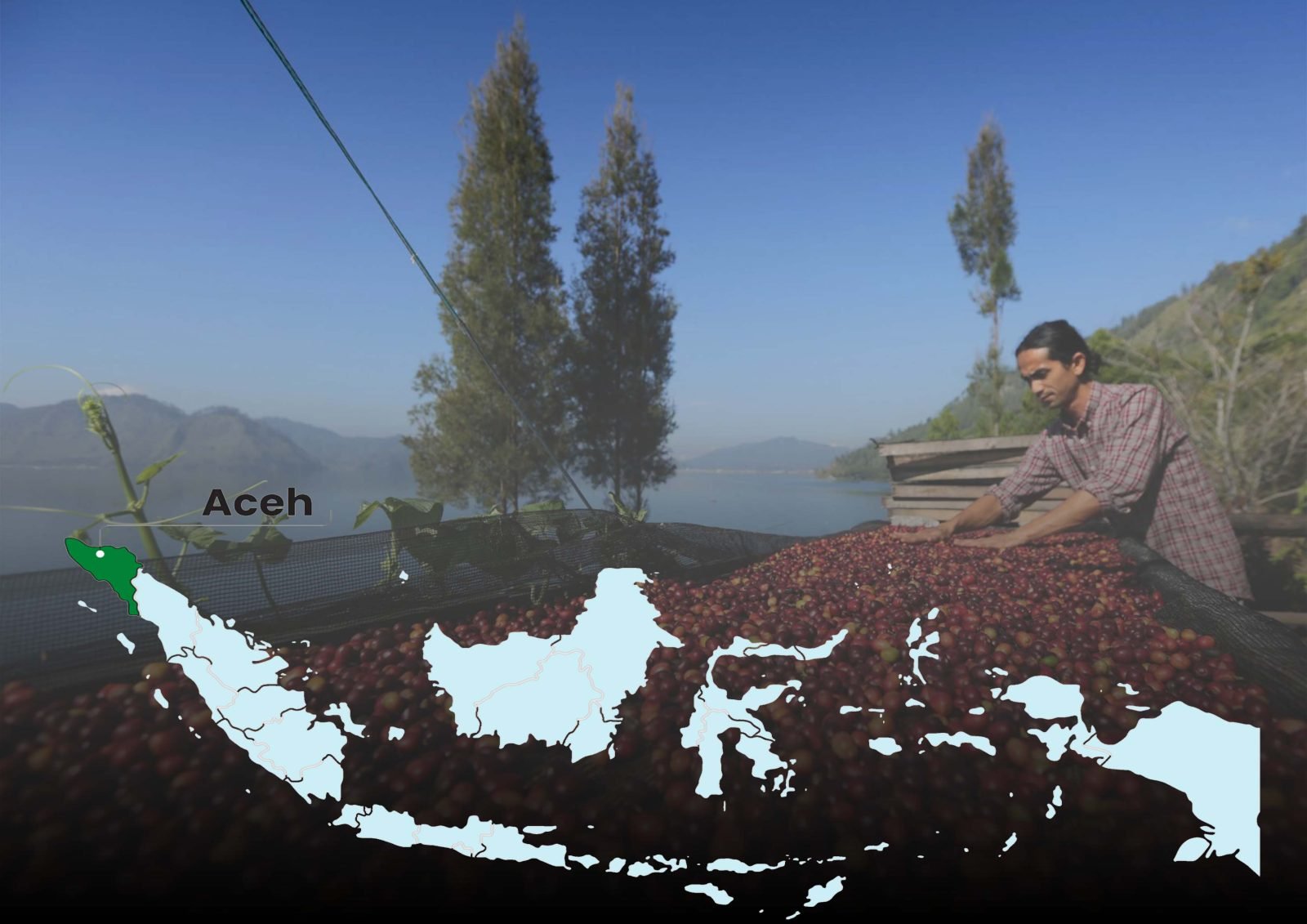
The traditional method of preparing pulled coffee in Aceh entails grinding the beans with a “penggiling dedak” or rice huller grinder. After that, the coffee grounds are placed in a long cloth filter bag known as a “kain celup,” and hot water is poured over them. After that, the coffee is poured back and forth between two containers to get the necessary frothy consistency. Finally, the pulled coffee is usually served in little cups with a dish of traditional delicacies.
The Right Technique for Aceh Gayo Pulled Coffee
Selecting the Beans
- Importance of High-Quality, Freshly Roasted Beans
It is critical to use high-quality, freshly roasted Aceh Gayo coffee beans to achieve the greatest flavors in pulled coffee. To ensure optimal freshness, look for beans that come from reliable coffee plantations and recently roasted. - Sourcing and Selecting Tips
Consider buying beans from a specialty coffee roaster or a trustworthy internet source that places a premium on quality and traceability. Look for labels that indicate the bean’s origin, roast date, and flavor characteristics. Consider researching single-origin products to get a taste of the distinct features of Aceh Gayo coffee. Sourcing specialty roasted coffee Indonesia Specialty Coffee.
Grinding for Optimal Extraction
- Ideal Grind Size
A medium-coarse grind is often suggested for Aceh Gayo pulled coffee. This grind size ensures optimal flavor extraction without over-extracting, resulting in a well-balanced cup. Experiment with various grind settings to find the one that best suits your taste preferences. - Importance of Consistent Grinding
Grinding consistency and uniformity is critical for even extraction. Use a burr grinder, which gives you more control over the grind size and ensures that all of your coffee particles are the same size. Blade grinders should be avoided since they generate uneven grounds, resulting in variable flavor extraction.
Water Temperature and Ratios
- Recommended Water Temperature
A water temperature of roughly 195 to 205°F (90 to 96°C) is commonly suggested for brewing Aceh Gayo pulled coffee. This series extracts flavors without burning the coffee or removing undesirable bitterness. Using a temperature-controlled kettle can help you achieve the ideal water temperature. - Coffee-to-Water Ratio Guidelines
A proper coffee-to-water ratio is essential for producing the best flavors. A ratio of 1:15 to 1:17 (coffee to water) is commonly advised as a starting point. However, you are free to change this ratio to your liking. For example, if you prefer a stronger cup of coffee, you can slightly increase the amount of coffee.
Brewing Time and Techniques
- Recommended Brewing Time
The recommended brewing time for Aceh Gayo pulled coffee is usually 3 to 4 minutes. Brewing time, on the other hand, can be changed depending on factors such as grind size, coffee-to-water ratio, and personal taste preferences. To get the ideal flavor profile, it is critical to experiment and fine-tune the brewing duration. - Alternative Brewing Methods
While the typical way of preparing Aceh Gayo pulled coffee includes using a cloth strainer, you can also experiment with alternate brewing methods. For example, an espresso machine with a steam wand can produce the trademark frothy texture, while a French press can produce a full-bodied and flavorful cup.
Also Read: Pour Over Coffee vs Drip: Which Brewing Method is Right for You?
Tasting and Serving Aceh Gayo Pulled Coffee
Tips for Tasting and Evaluating Flavors: Pay attention to the scent, acidity, body, and flavor notes when tasting Aceh Gayo pulled coffee. Deeply inhale the aroma and take note of any distinct odors. Take short sips to assess the acidity, noting if it is moderate or strong. Examine the coffee’s body, noting its thickness or lightness. Finally, taste the flavor notes, finding the distinct nuances that distinguish Aceh Gayo coffee.
Suitable Serving Methods and Accompaniments: Aceh Gayo pulled coffee is frequently served in small cups, providing for a focused and concentrated coffee-drinking experience. To enhance the flavors of the coffee, serve it with typical Indonesian delicacies like fried bananas or sweet rice cakes. You might also provide a glass of water to refresh the palate between sips.
Conclusion
Finally, the proper procedure is critical in producing optimal flavors in Aceh Gayo pulled coffee. Coffee connoisseurs may uncover the unique features and flavors of this specialty coffee by acquiring high-quality beans, grinding them precisely, and mastering brewing variables such as water temperature and ratios. Remember to experiment and explore different brewing procedures to obtain your personal flavor profiles while enjoying Aceh Gayo pulled coffee’s traditional value.