Tag: ground coffee

  • 15 Tips for Keeping Ground Coffee Flavorful for Longer

    15 Tips for Keeping Ground Coffee Flavorful for Longer

    Nothing beats the rich aroma and robust flavor of freshly ground coffee beans. Whether you’re a casual coffee enthusiast or a dedicated connoisseur, ensuring that your ground coffee stays fresh is essential for a consistently satisfying cup. The moment coffee beans are ground, they begin to lose their flavor and aroma due to increased exposure to air and light. To help you make the most of your ground coffee and extend its lifespan, we’ve compiled a comprehensive guide with tips and tricks that will elevate your coffee experience.

    1. Ground Coffee: Invest in Quality Beans:

    The foundation of a long-lasting ground coffee experience begins with high-quality beans. Opt for freshly roasted, whole coffee beans from reputable sources. Beans that are roasted recently tend to have more vibrant flavors, and their freshness will translate into the ground coffee.
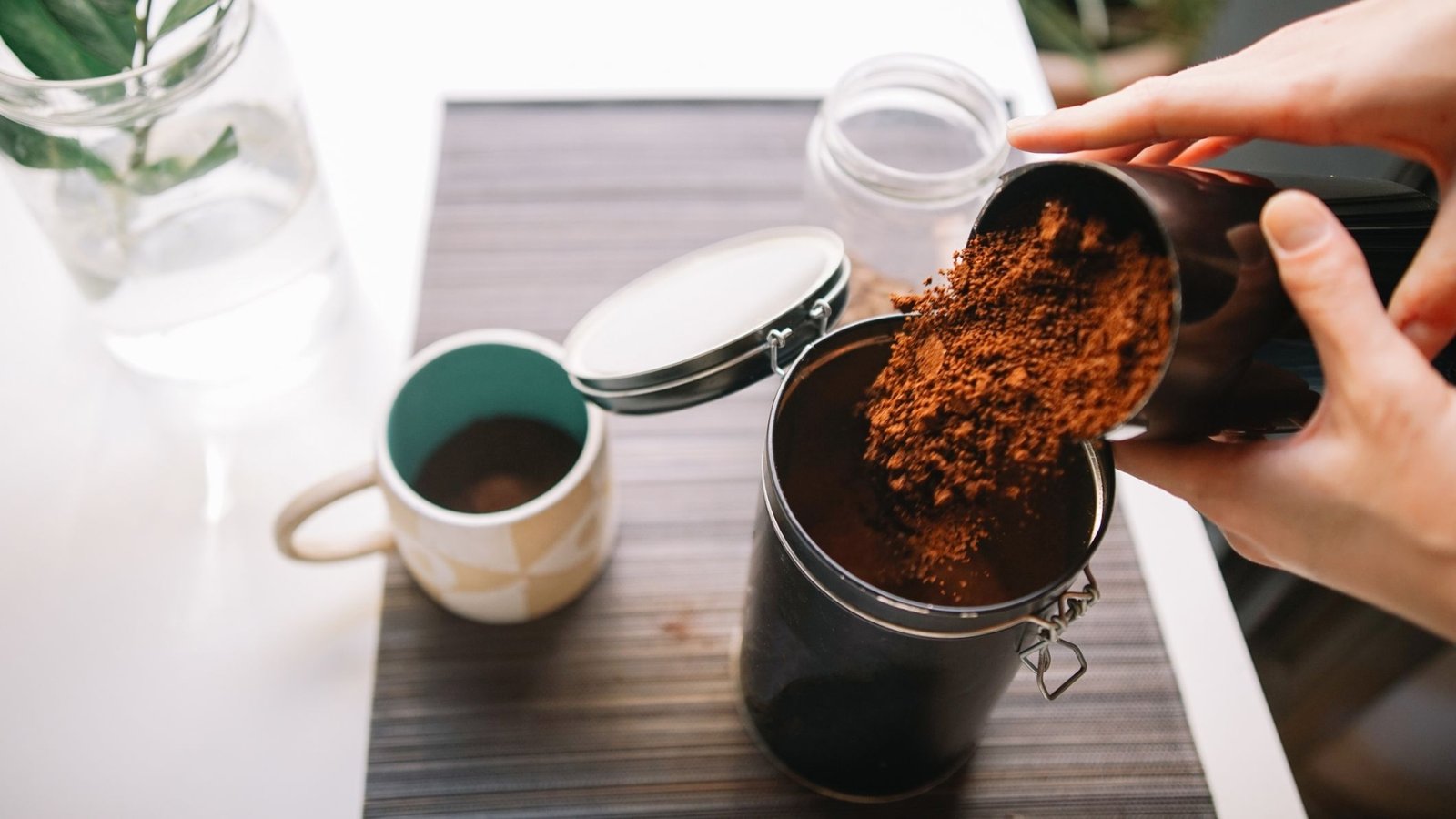
    Ground Coffee

    2. Store Beans Properly:

    Before even thinking about grinding your coffee, ensure proper storage for your beans. Keep them in an airtight container, preferably made of ceramic or glass, in a cool, dark place. Avoid storing coffee beans in the fridge, as the moisture and odors can compromise the flavor.

    3. Grind Just Before Brewing:

    One of the cardinal rules for maintaining the freshness of ground coffee is to grind it just before brewing. Grinding exposes the coffee to oxygen, which accelerates the staling process. Invest in a good quality burr grinder to achieve a consistent grind size, enhancing the flavor extraction during brewing.

    4. Control the Grind Size:

    Different brewing methods require different grind sizes. Adjusting the grind size based on your chosen brewing method ensures optimal extraction. Too fine a grind can lead to over-extraction and a bitter taste, while too coarse a grind may result in under-extraction and a weak cup. Experiment to find the ideal grind size for your preferred brewing method.

    5. Measure Precisely:

    Consistency is key when brewing the perfect cup of coffee. Use a scale to measure your coffee grounds accurately. The right coffee-to-water ratio is crucial for achieving a balanced and flavorful brew. Precision in measuring also helps in reducing waste, making your coffee supply last longer.

    6. Avoid Light and Air Exposure:

    Light and air are coffee’s enemies. Once coffee is ground, it’s more susceptible to these elements. Store your ground coffee in an opaque, airtight container. If you buy pre-ground coffee, transfer it to a light-resistant container as soon as possible.

    7. Consider Vacuum Sealing:

    For those serious about preserving the freshness of their ground coffee, vacuum-sealing is an effective method. This removes the air from the container, significantly slowing down the oxidation process and preserving the flavor and aroma of the coffee.

    8. Mind the Temperature:

    Extremes in temperature can affect the quality of your coffee. Keep your coffee storage area at a consistent, moderate temperature. Avoid storing it near appliances that generate heat, as fluctuations can cause condensation inside the container, degrading the coffee.

    9. Rotate Your Stock:

    It’s easy to fall into the trap of buying large quantities of coffee to save money, but coffee is best when consumed fresh. Try to purchase smaller quantities and rotate your stock regularly to ensure that you’re always brewing with the freshest grounds.

    10. Experiment with Blends:

    Variety is the spice of life, and this applies to coffee as well. Experiment with different coffee blends to keep your palate engaged. By having multiple options, you can extend the life of your ground coffee supply without sacrificing the joy of discovering new flavors.

    11. Clean Your Equipment:

    The oils in coffee can leave residue in your grinder and brewing equipment, affecting the taste of subsequent brews. Regularly clean your grinder and brewing tools to prevent the buildup of rancid oils that can compromise the freshness of your coffee.

    12. Embrace Cold Brewing:

    If you find yourself with a surplus of ground coffee, consider exploring cold brewing methods. Cold brew coffee has a longer shelf life and can be stored in the refrigerator for an extended period without sacrificing flavor.

    13. Educate Yourself on Roast Profiles:

    Different roast profiles affect the shelf life of coffee. Lighter roasts typically have a shorter shelf life compared to darker roasts. Understanding the roast profile of your coffee can help you gauge its expected freshness duration.

    14. Label and Date Your Coffee:

    Keep track of the age of your coffee by labeling the storage container with the roast date. This simple practice ensures that you’re aware of the freshness level of your coffee at all times, helping you prioritize consumption.

    15. Blend Your Own Coffee:

    For the ultimate control over your coffee’s freshness, consider blending your own beans. Purchase different varieties of whole beans and create your unique blend. This allows you to experiment with flavors while ensuring that each component is as fresh as possible.

    In conclusion, maintaining the freshness of ground coffee is an art that requires attention to detail and a commitment to quality. By following these tips, you’ll not only extend the lifespan of your ground coffee but also enhance the overall coffee experience. Remember, the journey from bean to cup is a delicate one, and with a little care, you can savor the rich, nuanced flavors of your favorite coffee beans for an extended period.

  • Ground Coffee vs Instant Coffee, Learn The Difference Here!

    Ground Coffee vs Instant Coffee, Learn The Difference Here!

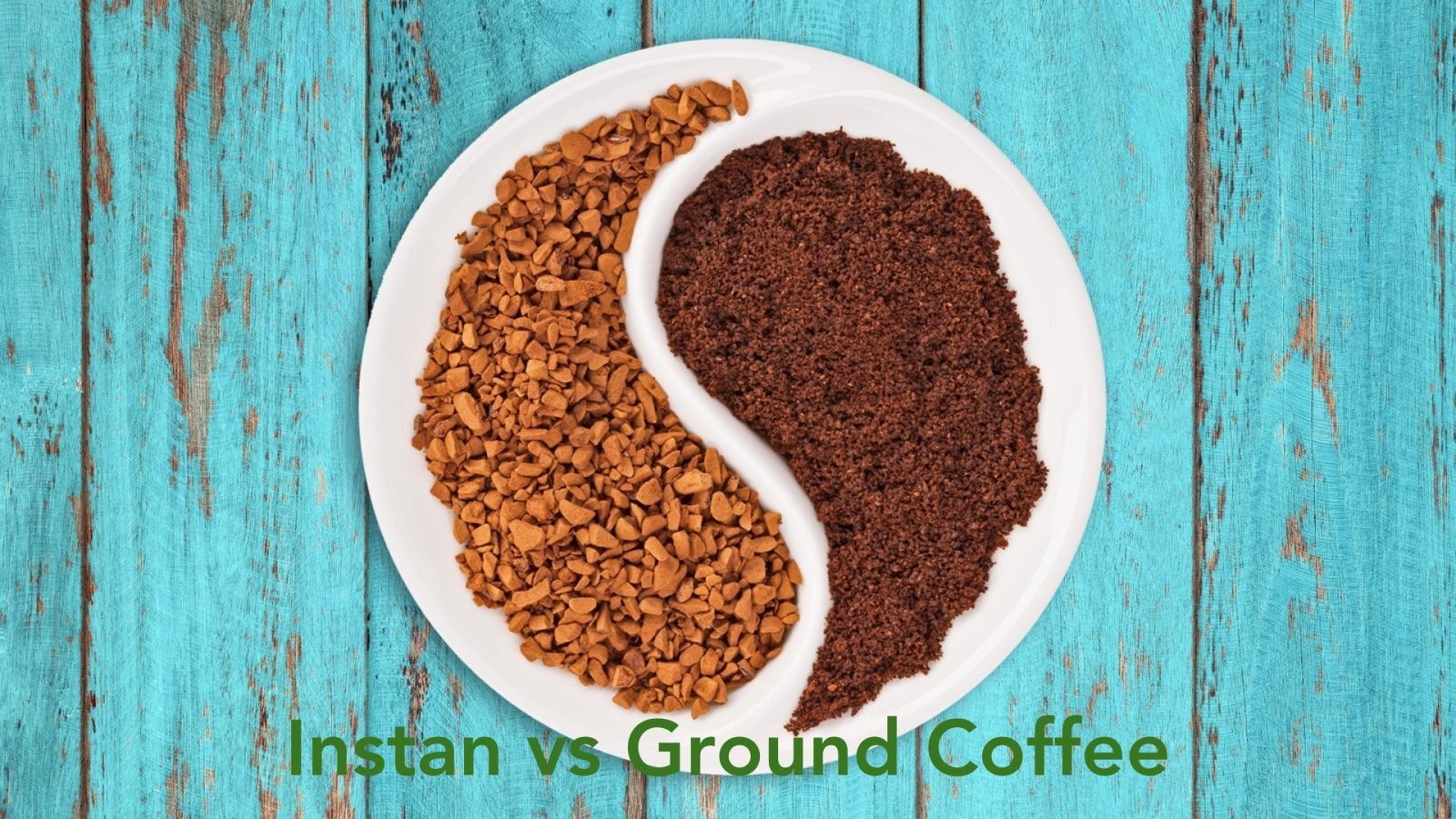
    Ground Coffee and Instant Coffee Powder

    Which one do you prefer? Instant or ground coffee? If you ask Americans, for example, they will answer that regular brewed coffee, ground or beans, is king. Meanwhile, for people in the U.K., Europe, and some regions of Asia, instant coffee is ruling. It leaves us a question about ground coffee vs instant coffee what makes them different?

    Indeed, they have several differences that are worth knowing about – the making time, the caffeine content, the cost, the benefits, and many more. Let’s dive into more details.

    Definition of Instant Coffee

    Essentially, instant coffee is also made of brewed coffee beans a more concentrated, dried coffee extract. We get the powdered coffee extract is obtained from a speedy drying process or a freeze-drying process that goes to packaging. 

    Instant Coffee vs. Ground Coffee

    As the name implies, instant coffee is pretty much instant, whereas ground coffee requires you to brew it first. Both of them have the same source coffee beans. They also provide you with a caffeine kick to go through the day.

    You may find that ground coffee is usually more expensive and better in terms of coffee bean quality, flavor, and caffeine content. Meanwhile, instant coffee wins with better shelf life and ease of making. 

    Difference between Ground vs. Instant Coffee

    ground coffee vs instant coffee

    The following are more in-depth differences between ground coffee and instant coffee. 

    1. Time of Making Coffee

    How to make instant coffee it? You simply need to put it into a cup and add hot water to dissolve it. And, voila! You can enjoy it – in no time. It is a great alternative for those who are in a rush or simply can hardly wait for the regular brewing process. 

    As for ground coffee, you need to set aside time only for preparing and brewing, not to mention cleaning afterward. Still, some people prefer this. 

    2. Brew Method

    Instant coffee does not require any brewing method since it usually has gone through the brewing or extraction process before packaging. 

    As for ground coffee, you have to follow some specific techniques before having the delicious liquid and putting it into your cup. There are some techniques you can choose from, like Aeropress, Chemex, drip coffee maker, French Press, etc. 

    Also Read: Cold Brew vs Hot brew: Everything You Need to Know

    3. The flavor of Ground and Instant Coffee

    The flavor is another key difference in ground coffee vs instant coffee discourse. 

    Robusta beans – with their somewhat edgy, bitter taste – are mostly used by instant coffee manufacturers. The drying and freezing process has caused the loss of the oils that affect the flavor during the brewing process. 

    Having the ability to hold all the essential oils, fresh-brewed ground coffee offers a lower acidic level compared to the instant one. The brewing process also produces more flavor varieties you can extract from. As a result, you can enjoy a fuller and richer taste in a cup. 

    4. Caffeine Content in Ground and Instant Coffee

    Robusta beans in instant coffee tend to have a higher level of caffeine to prevent further caffeine loss during production. Most instant coffee – in a regular cup – has an average caffeine content of 20 – 45%.

    Meanwhile, due to the brewing process, ground coffee contains higher caffeine. A cup of freshly brewed coffee retains about 80 – 120mg of caffeine. The caffeine content may vary due to brands, brewing methods, coffee-to-water ratio, and more. 

    5. Cost of Ground Coffee vs Instant Coffee

    Instant coffee is a lot less costly than regular ground coffee. Moreover, high-quality ground coffee will cost you more, not to mention investing some money to buy specialized brewing equipment. 

    Also Read: Known by Young People to Old People: History of Cold Brew Coffee

    6. Coffee Shelf Life 

    Instant coffee wins here as it has a longer shelf life, ranging from 2 to 20 years. Store them properly by using an airtight container or sealed package in a cool, dim place. Any exposure to moisture may trigger texture change and mold development. 

    Coffee beans expire approximately 6 months after you obtain them. Try to keep your ground coffee in a cooler and shadier place and store it away from any other food that has intense flavor and aroma. A coffee canister is the best option to maintain your blend’s freshness and flavor. 

    7. Uses of Ground and Instant Coffee

    This coffee is a best friend for those who are in a rush or always on the run – working, traveling, camping, hiking, etc. It is also helpful for any recipe that requires coffee as an ingredient since it has a longer shelf life and is more convenient.

    As for ground coffee, the slow brewing process might be a relaxing ritual for some people. Also, as part of their benefits, you can reuse or even recycle them – as facial scrubs, plant fertilizers, tough stain removers, freezer deodorizers, etc. 

    So, is Instant Coffee Better than Ground Coffee?

    Instant Coffee Making
    Instant Coffee Making

    When it comes down to ground coffee vs instant coffee, it is also a matter of preference and lifestyle. Both of them have their own aficionados and thus markets. Instant coffee may not be as good as ground coffee in terms of flavor, quality, or wholesomeness, but still, they cheer up some parts of the global population. Many manufacturers and suppliers – like FnB.co.id – are also there for those looking for first-rate coffee beans and blends.