Pregnancy is a time when expectant mothers often become more conscious about their dietary choices, especially when it comes to caffeine intake. Decaf coffee, or decaffeinated coffee, is a popular alternative for those looking to reduce their caffeine consumption during pregnancy. But is it safe? In this comprehensive guide, we will explore the potential risks and benefits of consuming decaf coffee while pregnant and provide you with the information you need to make an informed decision.
Understanding Decaffeinated coffee
Decaf coffee is coffee that has undergone a process to remove most of its caffeine content. While it’s not entirely caffeine-free, decaf coffee typically contains significantly less caffeine than regular coffee. The exact caffeine content in decaf coffee can vary depending on the brand and brewing method, but it generally contains around 2-5 milligrams of caffeine per 8-ounce cup. This is a stark contrast to the 95 milligrams of caffeine found in an 8-ounce cup of regular coffee.
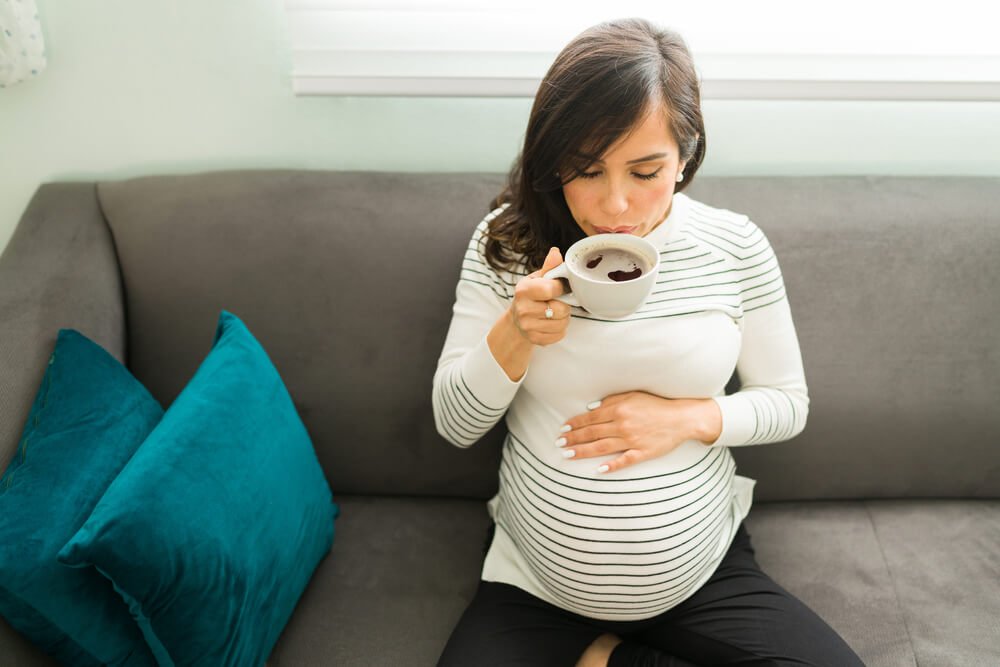
Decaf coffee, short for “decaffeinated coffee,” has gained popularity as an alternative to regular coffee for those who wish to reduce their caffeine intake or avoid it altogether. Decaffeinated coffee offers the familiar taste and aroma of coffee without the stimulating effects of caffeine. To better appreciate decaf coffee, it’s important to delve deeper into its production, caffeine content, and the various methods used to remove caffeine.
- Caffeine Content in Decaf Coffee: Decaf coffee is not entirely caffeine-free, but it contains significantly less caffeine compared to regular coffee. The caffeine content in decaf coffee can vary depending on factors such as the coffee bean type, the decaffeination process, and the serving size. On average, an 8-ounce cup of decaffeinated coffee contains approximately 2 to 5 milligrams of caffeine. This contrasts sharply with regular coffee, which can contain around 95 milligrams of caffeine in the same serving size.
- Decaffeination Process: The process of decaffeinating coffee involves the removal of most of the caffeine while preserving the coffee’s flavor. There are several methods used to achieve this, each with its own advantages and disadvantages: a. Solvent-based Methods: These methods use chemical solvents such as methylene chloride or ethyl acetate to extract caffeine. While effective, these methods can raise concerns about chemical residue, though strict regulations ensure that only minimal residues are allowed in the final product. b. Water-based Methods: Water-based decaffeination methods rely on water to remove caffeine. One common process is the Swiss Water Process, which involves soaking the coffee beans in water to extract caffeine and flavors, and then filtering out the caffeine. This method is generally considered more environmentally friendly and results in decaf coffees with a cleaner taste. c. Carbon Dioxide (CO2) Method: In this process, liquid CO2 is used to extract caffeine from coffee beans. The CO2 method is also environmentally friendly and preserves the coffee’s flavor well. d. Supercritical Fluid Extraction: This method uses supercritical carbon dioxide, which has properties of both a gas and a liquid, to extract caffeine. It’s highly effective at removing caffeine while minimizing flavor loss. e. Swiss Water Process: This method relies on a caffeine-free green coffee extract, which is used to bond with and remove caffeine from coffee beans without the use of chemical solvents.
- Taste and Aroma: The taste and aroma of decaf coffee can be quite similar to regular coffee, although some coffee enthusiasts may notice a slightly milder or different flavor profile due to the decaffeination process. The quality of decaffeinated coffee largely depends on the beans used, the decaffeination method, and the roasting process. Some decaf coffees are specifically crafted to mimic the taste of their caffeinated counterparts.
- Health Benefits: Decaf coffee retains some of the health benefits associated with regular coffee, such as the presence of antioxidants. Antioxidants in coffee can have a positive impact on overall health by reducing the risk of certain diseases. Additionally, decaffeinated coffee may be a more suitable choice for individuals with caffeine sensitivity, sleep disturbances, or certain medical conditions that require caffeine restriction.
- Caffeine Sensitivity: While decaffeinated coffee is generally lower in caffeine, it is not entirely caffeine-free. Some individuals are highly sensitive to even small amounts of caffeine and may need to avoid decaf coffee altogether. It’s important to assess your own tolerance to caffeine and make informed choices accordingly.
- Decaf Coffee Varieties: Just like regular coffee, decaffeinated coffee is available in various types and blends, including decaf espresso, decaf single-origin coffee, and flavored decaf coffee. You can choose the decaf coffee that suits your personal preferences and brewing method.
- Decaf Coffee and Pregnancy: During pregnancy, some expectant mothers opt for decaffeinated coffee as a way to limit their caffeine intake. Decaf coffee is generally considered a safer choice during pregnancy, but it’s essential to consult with a healthcare provider to determine the appropriate caffeine limit for your individual circumstances.
In conclusion, decaf coffee is a viable option for those seeking the taste and aroma of coffee without the stimulating effects of caffeine. Its production involves various methods, each with its unique advantages, and the choice of decaf coffee can be influenced by individual preferences and health considerations. Whether you’re looking to reduce your caffeine intake, enjoy coffee in the evening without affecting your sleep, or simply prefer the taste of decaf, understanding the process and factors involved in decaffeination can help you make an informed choice.
The Risks of Caffeine During Pregnancy
Caffeine is a stimulant that can easily cross the placenta and affect the developing fetus. High caffeine intake during pregnancy has been associated with several potential risks, including:
- Miscarriage: Some studies suggest that high caffeine consumption may increase the risk of miscarriage, particularly during the first trimester.
- Preterm Birth: Excessive caffeine intake has also been linked to a higher risk of preterm birth, where the baby is born before 37 weeks of gestation.
- Low Birth Weight: High caffeine consumption may lead to low birth weight in newborns, which can be associated with various health problems.
- Fetal Development: There is evidence to suggest that caffeine can potentially interfere with fetal development, affecting the baby’s heart rate, brain development, and overall growth.
- Increased Heart Rate: Caffeine can increase the mother’s heart rate and blood pressure, which may indirectly affect the baby.
Given these potential risks, many health professionals recommend limiting caffeine intake during pregnancy. The American College of Obstetricians and Gynecologists (ACOG) suggests that pregnant women should consume less than 200 milligrams of caffeine per day, which is roughly equivalent to one 12-ounce cup of regular coffee.
Is Decaf Coffee Safe During Pregnancy?
Decaf coffee is considered a safer alternative to regular coffee during pregnancy due to its significantly lower caffeine content. However, it’s essential to keep a few factors in mind when considering decaf coffee consumption during pregnancy.
- Caffeine Content: Even though decaffeinated coffee contains much less caffeine than regular coffee, it’s not entirely caffeine-free. The caffeine content can vary, so it’s essential to choose decaf coffee with the lowest possible caffeine levels.
- Individual Tolerance: Every pregnant woman is different, and some may be more sensitive to caffeine than others. It’s crucial to pay attention to how your body reacts to decaf coffee and adjust your intake accordingly.
- Other Compounds: Coffee, whether regular or decaf, contains various compounds aside from caffeine. These include antioxidants and other bioactive substances, which may have both positive and negative effects on health. The impact of these compounds during pregnancy is still being researched.
- Decaf Coffee Brands: The method of decaffeination can vary between brands, and some processes may leave trace amounts of chemicals. It’s advisable to choose high-quality decaf coffee brands that use safe decaffeination methods.
- Moderation: The key to a safe decaf coffee consumption during pregnancy is moderation. Keeping your intake to a reasonable amount is essential to minimize potential risks.
Benefits of Decaf Coffee During Pregnancy
Pregnancy is a transformative period in a woman’s life, and dietary choices become a significant focus. For many expectant mothers, caffeine intake is a topic of concern due to its potential risks. While it’s widely recommended to limit caffeine during pregnancy, decaf coffee can offer several benefits and can be a valuable addition to a pregnant woman’s diet.
- Morning Sickness Relief: Morning sickness is a common and unpleasant symptom of early pregnancy, characterized by nausea and vomiting. The aroma and taste of decaf coffee can help soothe these symptoms for some pregnant women. Sipping on a warm cup of decaf coffee can provide comfort and reduce nausea, making it easier to start the day.
- Hydration: Staying well-hydrated is crucial during pregnancy, and for some, plain water can be less appealing. Decaf coffee can be a flavorful and comforting way to increase fluid intake, helping expectant mothers meet their daily hydration needs. Remember, it’s essential to drink enough water alongside other beverages.
- Social Enjoyment: Coffee is often enjoyed in social settings. Whether it’s sharing a cup with friends, family, or colleagues, decaf coffee allows pregnant women to participate in these social interactions without the concerns associated with caffeinated coffee. Social connections and relaxation can be particularly beneficial during pregnancy when emotional well-being is important.
- Reduced Sleep Disturbance: Many pregnant women experience changes in their sleep patterns and may struggle with insomnia. The lower caffeine content in decaf coffee makes it a suitable choice for those who want to enjoy coffee in the afternoon or evening without the fear of disrupting their sleep. It provides the ritual and comfort of coffee without the stimulating effects that regular coffee can have on the nervous system.
- Digestive Aid: Pregnancy can bring about changes in digestion, including constipation. Some women find that coffee, even decaf, can help promote regular bowel movements. The warmth and mild stimulation from decaf coffee can serve as a natural digestive aid for some individuals, potentially alleviating discomfort.
- Antioxidants and Health Benefits: Decaf coffee, like its caffeinated counterpart, contains antioxidants. These compounds are associated with various health benefits, such as reducing the risk of certain diseases, including heart disease and type 2 diabetes. While decaf coffee may have slightly fewer antioxidants than regular coffee due to the decaffeination process, it can still be a source of healthful compounds.
- Caffeine Sensitivity: Some pregnant women are particularly sensitive to caffeine, and even small amounts can cause adverse effects such as jitteriness, increased heart rate, or anxiety. Decaf coffee offers a way to enjoy the taste and ritual of coffee without these discomforts, making it a suitable choice for those with heightened caffeine sensitivity.
- Variety of Choices: Decaf coffee comes in various blends and flavors, allowing pregnant women to enjoy a diverse range of coffee experiences. Whether it’s a rich decaf espresso, a decaf single-origin coffee with unique flavor notes, or flavored decaf coffee, there’s a wide selection to suit individual preferences.
- Alternative to Sugary Beverages: Pregnant women are often advised to limit their consumption of sugary drinks. Decaf coffee can be an appealing alternative for those who would like a flavorful, low-calorie beverage without added sugars.
- Moderation and Control: Decaf coffee allows for better control over caffeine intake during pregnancy. It’s easier to moderate and adjust consumption to stay within recommended caffeine limits, which are typically advised to be below 200 milligrams per day.
In summary, decaf coffee offers a range of benefits for pregnant women, from providing relief from morning sickness and aiding digestion to supporting hydration and offering a social connection. It can also serve as a source of antioxidants and a way to enjoy coffee without the stimulating effects of caffeine, making it a suitable choice for expectant mothers who want to continue enjoying coffee while prioritizing their health and well-being during pregnancy. As with any dietary choice during pregnancy, it’s advisable to consult with a healthcare provider to ensure it aligns with individual health needs and circumstances.
Also read: is coffee haram
Can You Drink Decaf Coffee While Pregnant? Conclusion:
In conclusion, decaf coffee is generally considered a safer alternative to regular coffee during pregnancy due to its significantly lower caffeine content. However, it’s essential to keep your caffeine intake within recommended limits, which is typically less than 200 milligrams of caffeine per day. Individual tolerance varies, so pay attention to how your body reacts and adjust your consumption accordingly.
When consuming decaf coffee during pregnancy, choose high-quality brands that use safe decaffeination methods and be mindful of other compounds in coffee that may have both positive and negative effects. Always consult with your healthcare provider to discuss your specific dietary choices and ensure that they align with your unique health needs and circumstances.
