Tag: coffee luwak

  • The Ultimate Guide to Luwak Coffee Beans: From Harvest to Cup

    The Ultimate Guide to Luwak Coffee Beans: From Harvest to Cup

    Coffee enthusiasts around the world continually seek unique and exotic flavors, and one such gem in the world of coffee is Luwak coffee. Also known as civet coffee, this rare and prized brew is made from beans that have passed through the digestive system of a civet, a small mammal found in coffee-producing regions. In this ultimate guide, we will delve into the fascinating journey of Luwak coffee beans, from their harvest in the wild to the intricate process that leads to the creation of this extraordinary cup of coffee.

    The Civet Coffee Connection

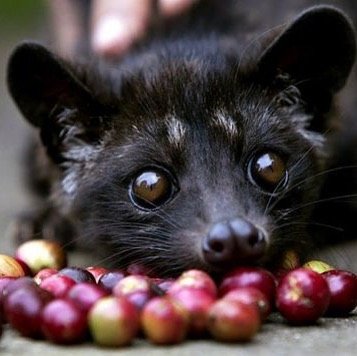
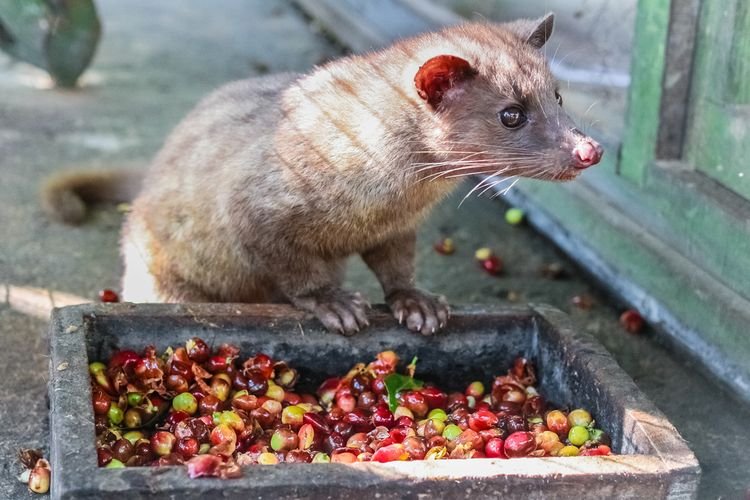
    The story of Luwak coffee begins with the civet, a nocturnal creature with a keen sense of smell and a taste for ripe coffee cherries. In the wild, civets roam through coffee plantations, selecting only the finest and ripest cherries for consumption. Once ingested, the cherries go through a unique fermentation process in the civet’s stomach, where enzymes break down proteins, ultimately impacting the flavor profile of the coffee.

    Harvesting Luwak Coffee Beans: A Delicate Dance with Nature

    The first step in the journey of Luwak coffee is the careful and selective harvesting of coffee cherries. Farmers in regions where civets are prevalent must be vigilant in allowing the civets to choose the cherries naturally. This process requires a delicate balance between human cultivation and the involvement of the civets. It is crucial to maintain an environment that encourages civets to roam freely without disrupting their natural behavior.
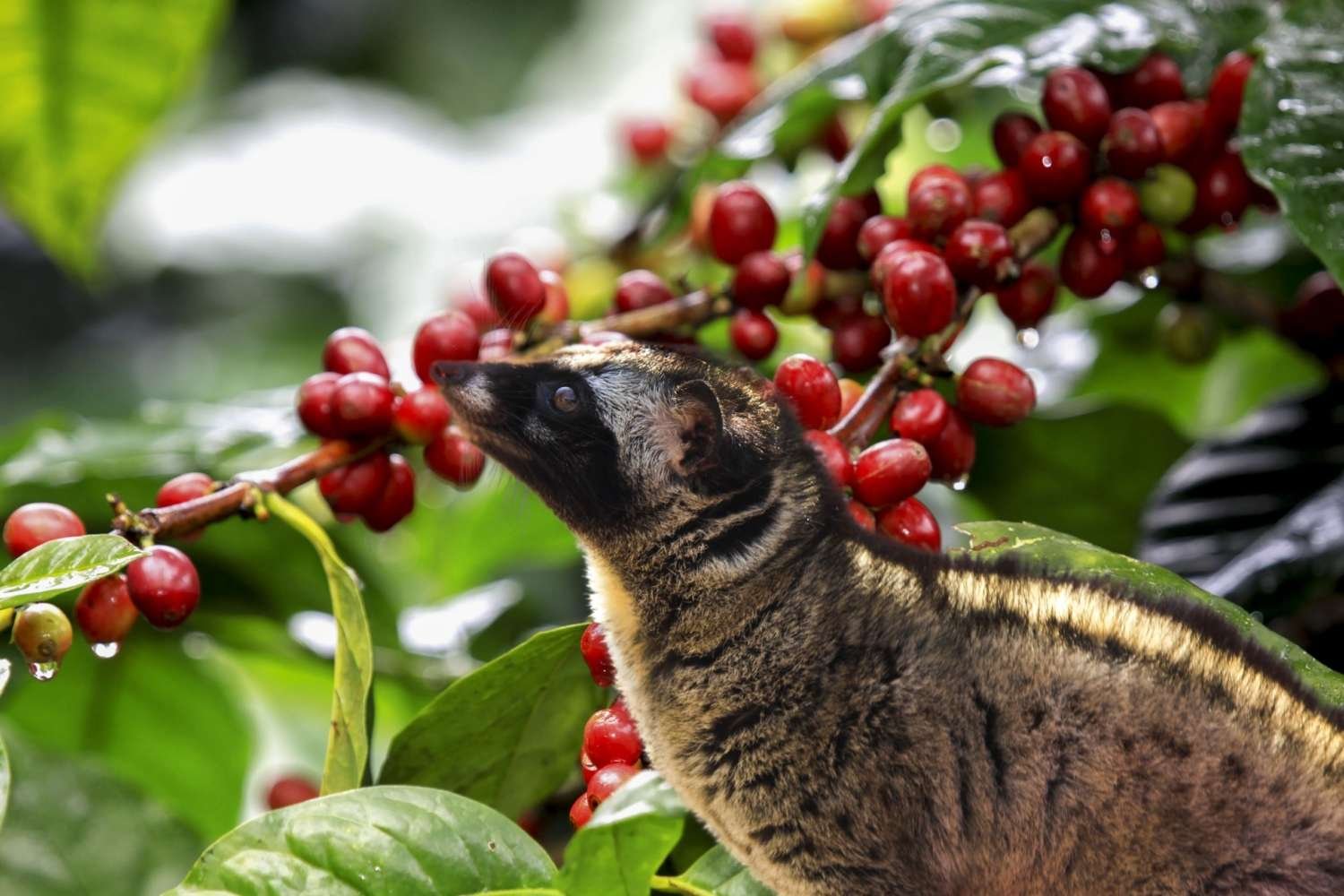
    Wild Civet Coffee

    The process of harvesting Luwak coffee beans is a delicate dance between human cultivation and the instinctive behaviors of civets, the small nocturnal mammals that play a pivotal role in the creation of this extraordinary brew. This phase of Luwak coffee production requires a profound understanding of the natural habitat of civets, the art of selective cultivation, and the careful observation of the intricate dynamics between the creatures and the coffee plantations.

    1. Natural Habitat Understanding

    Civets thrive in specific coffee-producing regions, where their natural habitats intersect with lush coffee plantations. These regions often include tropical climates and diverse ecosystems that create an ideal environment for both the civets and the coffee plants. Understanding the natural behavior of civets in these settings is fundamental to the harmonious coexistence necessary for the creation of Luwak coffee.

    2. Selective Plantation Management

    Harvesting Luwak coffee beans begins with the careful management of coffee plantations. Farmers must strike a balance between cultivating coffee cherries for commercial purposes and providing an environment conducive to the wild civets. This involves maintaining biodiversity, preserving natural habitats, and ensuring that the civets have access to the coffee cherries in their natural setting.

    3. Encouraging Natural Foraging

    Unlike traditional coffee harvesting, where humans pick the cherries at a specific stage of ripeness, Luwak coffee relies on civets to act as nature’s discerning selectors. Farmers must encourage civets to forage freely in the coffee plantations, allowing them to choose only the ripest and most flavorful cherries. This natural selection process, driven by the civet’s keen sense of smell and taste, is integral to the unique flavor profile of Civet coffee.

    4. Monitoring Civet Behavior

    Farmers often employ observational techniques and, in some cases, technology to monitor the behavior of civets. This includes studying their movement patterns, feeding habits, and preferences for certain types of coffee cherries. Some coffee plantations even use motion-sensor cameras to gain insights into the civets’ nocturnal activities, enabling a better understanding of their role in the Luwak coffee production process.

    Coffee luwak
    Coffee luwak

    5. Conservation and Education

    In addition to managing the coffee plantations, there is a growing emphasis on conservation efforts and education programs. These initiatives aim to raise awareness about the importance of preserving the natural habitats of civets, not only for the production of Luwak coffee but also for the ecological balance of the entire ecosystem. Farmers, conservationists, and local communities collaborate to ensure the sustainability of both the civet populations and the coffee industry.

    6. Harvesting Techniques

    Once civets have selected and consumed the ripest coffee cherries, the next step is to collect the beans from the civet’s feces. This process requires a meticulous approach, as the beans must be separated from other materials and thoroughly cleaned to remove any impurities. The beans are then sun-dried before undergoing the roasting process.

    7. Quality Control and Ethical Considerations

    Quality control is paramount in the harvesting phase to ensure that only the highest quality beans are used for Luwak coffee production. Ethical considerations also play a crucial role, with an increasing focus on responsible and sustainable practices. Ethical Luwak coffee production involves respecting the natural behaviors of civets, allowing them to roam freely, and avoiding practices that compromise their welfare.

    In conclusion, harvesting Luwak coffee beans is not just a process; it’s a harmonious interplay between nature and human cultivation. It requires a deep understanding of the natural world, a commitment to ethical practices, and a dedication to preserving the unique flavors that emerge from this extraordinary journey. As coffee enthusiasts savor their cup of Luwak coffee, they are not just enjoying a beverage; they are partaking in a tale of ecological balance and the delicate dance between the wild and the cultivated.

    Natural Fermentation Process

    Once the civet has ingested the coffee cherries, the fermentation process begins. This natural fermentation is one of the key factors that contribute to the unique flavor profile of Luwak coffee. The enzymes in the civet’s stomach break down proteins and alter the chemical composition of the beans, resulting in a smoother and less acidic flavor.

    Collection and Cleaning

    After the beans pass through the digestive system of the civet, they are excreted along with other fecal matter. The collected beans undergo a rigorous cleaning process to remove any remaining impurities. This involves thorough washing and sometimes a period of fermentation to ensure that only the pristine beans are retained for further processing.

    Sun Drying and Roasting

    Following the cleaning process, the Luwak coffee beans are spread out to dry under the sun. Sun drying is a crucial step that impacts the final flavor and aroma of the coffee. Once dried, the beans are roasted to perfection. Roasting is an art that requires precision and expertise to unlock the rich flavors developed during the fermentation process. The roasting process can significantly influence the taste, ranging from light and fruity to dark and robust.

    The Art of Brewing Luwak Coffee: Elevating the Extraordinary

    Now that the Luwak coffee beans have undergone a journey of natural fermentation, careful collection, cleaning, sun drying, and roasting, it’s time to brew the ultimate cup. The brewing process is where the true essence of Luwak coffee comes alive. Whether prepared using a traditional drip method, French press, or other brewing techniques, the unique flavor notes, and low acidity of Luwak coffee shine through, offering a distinctive and unforgettable experience for coffee connoisseurs.

    Brewing Luwak coffee is an art form that transcends traditional coffee preparation methods. From selecting the right grind size to embracing the nuanced flavors developed during the intricate journey of the Luwak coffee beans, every step in the brewing process contributes to unlocking the full potential of this exceptional brew.

    1. Selecting the Beans

    The journey of brewing Luwak coffee begins with the careful selection of beans. Coffee connoisseurs often choose freshly roasted and ground Luwak coffee beans to ensure the preservation of the unique flavor notes obtained through the fermentation process. The distinct lack of bitterness and low acidity make Luwak coffee beans particularly well-suited for various brewing methods.

    2. Grinding with Precision

    The grind size is a critical factor in the brewing process. For Luwak coffee, a medium grind is often recommended, allowing for a balanced extraction of flavors. The goal is to maintain consistency in the grind to ensure an even extraction during brewing. This precision in grinding plays a vital role in capturing the rich and complex taste profile of Luwak coffee.

    3. Choosing the Brewing Method

    Luwak coffee can be brewed using various methods, each offering a unique experience. While some enthusiasts prefer the simplicity of a pour-over or drip coffee maker, others opt for immersion methods such as French press or AeroPress. The choice of brewing method allows for customization, letting individuals tailor the brewing process to their preferences and highlighting specific flavor nuances of Luwak coffee.

    4. Water Temperature and Ratios

    Maintaining the right water temperature is crucial in extracting the flavors without compromising the delicate nuances of Luwak coffee. Water that is too hot may result in a bitter brew, while water that is too cold may not extract the full range of flavors. Striking the right balance and adhering to proper coffee-to-water ratios is essential for a well-rounded and satisfying cup.

    5. Brewing Time and Patience

    The art of brewing Luwak coffee requires patience. Unlike some quick-brewing methods, allowing the coffee to steep or percolate over time is often key to unlocking the subtleties of Luwak coffee. This slow process enables the water to interact with the coffee grounds more thoroughly, extracting the rich flavors developed through the fermentation process.

    6. Savoring the Aromas

    As the aroma of freshly brewed Luwak coffee fills the air, connoisseurs are treated to a sensory experience like no other. The unique combination of chocolatey, caramel, and earthy notes emanates from the cup, tantalizing the senses and setting the stage for the tasting experience that follows.

    7. Tasting Notes and Appreciation

    The final act in the art of brewing Luwak coffee is the tasting. As enthusiasts take that first sip, they are greeted with a symphony of flavors that dance across the palate. The absence of bitterness and the smooth, low-acid profile make Luwak coffee a rare and delightful indulgence. Tasting notes often include hints of dark chocolate, caramel sweetness, and a subtle earthiness, creating a complex and layered experience for the discerning palate.

    8. Pairing with Complementary Flavors

    To enhance the Luwak coffee experience, enthusiasts often experiment with pairing it with complementary flavors. Chocolate, nuts, or even a delicate pastry can elevate the tasting experience, creating a harmonious blend of textures and tastes that accentuate the unique qualities of Luwak coffee.

    9. Ethical Considerations in Brewing

    Beyond the technical aspects, ethical considerations also play a role in the art of brewing Luwak coffee. Ensuring that the beans are sourced responsibly, supporting sustainable practices, and promoting the welfare of civets are integral components of the brewing process. Ethical consumption adds an extra layer of satisfaction, knowing that each cup contributes to the preservation of a delicate ecological balance.

    In essence, the art of brewing Luwak coffee is a celebration of the extraordinary. From the careful selection of beans to the precision in grinding, brewing, and savoring, each step is an opportunity to appreciate the unique journey these beans have undertaken. Luwak coffee transcends the ordinary, inviting enthusiasts to embark on a sensory adventure that combines nature’s craftsmanship with the skill of the brewer, resulting in a cup of coffee that is truly one of a kind.

    Flavor Profile and Tasting Notes

    Luwak coffee is celebrated for its smooth, low-acid profile and unique tasting notes. The fermentation process imparts a distinct lack of bitterness, making it a favorite among those who find traditional coffee too sharp. Tasting notes often include hints of chocolate, caramel, and a rare earthiness that sets Luwak coffee apart from other brews. The absence of certain undesirable compounds contributes to its smooth texture, making it a delicacy enjoyed by coffee enthusiasts worldwide.

    Ethical Considerations and Sustainability

    The increasing demand for Luwak coffee has raised concerns about the ethical treatment of civets in the industry. Unscrupulous practices, such as caging civets for mass production, have tarnished the reputation of this unique coffee. Ethical and sustainable sourcing is essential to ensure that civets roam freely in their natural habitat, contributing to the ecological balance of coffee plantations.

    The Future of Luwak Coffee

    As the world of coffee evolves, so does the appreciation for unique and rare brews like Luwak coffee. Coffee enthusiasts, farmers, and conservationists are working together to promote ethical and sustainable practices, ensuring the welfare of civets and the preservation of this exceptional coffee tradition. The future of Luwak coffee lies in the hands of those who appreciate its unique journey, from the wild coffee plantations to the cup, savoring each sip of this extraordinary brew.

  • 10 Fascinating Facts About Indonesia Luwak Coffee

    10 Fascinating Facts About Indonesia Luwak Coffee

    Indonesia Luwak coffee, also known as civet coffee, is one of the most unique and sought-after coffee varieties in the world. Produced in Indonesia, particularly in the islands of Sumatra, Java, and Bali, Luwak coffee has gained international acclaim for its distinctive flavor and production process. In this article, we will explore 10 fascinating facts about Indonesian Luwak coffee that make it a truly exceptional and intriguing beverage.

    Indonesia Luwak Coffee
    1. Origins of Luwak Coffee

    Indonesian Luwak coffee derives its name from the civet cat, known locally as “luwak.” These small mammals play a crucial role in the production of this coffee. Luwaks eat ripe coffee cherries, and the beans inside pass through their digestive system. After being excreted, the beans are collected, thoroughly cleaned, and eventually roasted to produce Luwak coffee.

    1. Unique Flavor Profile

    One of the key attractions of Luwak coffee is its distinct flavor profile. The digestive enzymes in the civet’s stomach alter the chemical composition of the coffee beans, resulting in a smoother and less bitter taste. Coffee connoisseurs often describe it as having a unique combination of earthy, fruity, and nutty flavors, with a velvety finish.

    1. Labor-Intensive Production

    The production of Luwak coffee is labor-intensive and time-consuming. It involves finding wild civet cats that feed on coffee cherries in the wild, collecting their droppings, and then meticulously processing the beans. This complexity contributes to the high cost of Luwak coffee, making it one of the most expensive coffees in the world.

    1. Sustainable Practices

    While there have been concerns about the ethical treatment of civet cats in the past, many coffee producers in Indonesia have adopted more sustainable and animal-friendly practices. Some farms have transitioned to using caged civets or collecting beans directly from wild civet droppings, ensuring the animals are treated with care.

    1. Limited Production

    Due to the labor-intensive and intricate process of producing Luwak coffee, it is available in limited quantities. This scarcity adds to its allure, making it a rare and exclusive coffee variety.

    1. High Demand

    Despite its high price tag, Luwak coffee has a strong demand among coffee aficionados and collectors worldwide. Its unique production process and flavor profile make it a sought-after luxury item.

    1. Geographical Varieties

    Indonesia is known for its rich coffee-growing regions, and Luwak coffee is no exception. Different regions in Indonesia, such as Sumatra, Bali, and Java, produce Luwak coffee with distinct flavor notes influenced by their unique soil and climate conditions.

    1. Brewing Methods

    Luwak coffee can be brewed using various methods, including French press, pour-over, and espresso. The choice of brewing method can enhance or emphasize specific flavor notes, allowing coffee enthusiasts to experiment and find their preferred way to enjoy this exceptional coffee.

    1. Health Benefits

    Like other coffee varieties, Luwak coffee contains antioxidants and caffeine. Moderate consumption of coffee has been associated with various health benefits, including increased alertness, improved mood, and a reduced risk of certain diseases. However, it’s essential to consume it in moderation to avoid excessive caffeine intake.

    1. Supporting Local Communities

    The production of Luwak coffee provides employment opportunities for local communities in coffee-growing regions of Indonesia. It plays a vital role in the livelihoods of many families and contributes to the country’s coffee industry, which is a significant part of Indonesia’s agricultural sector.

    Conclusion

    Indonesian Luwak coffee is more than just a beverage; it’s a unique cultural and culinary experience. Its distinctive production process, flavor profile, and limited availability make it a prized commodity in the world of coffee. Whether you’re a coffee enthusiast looking for a new taste sensation or simply intrigued by the fascinating story behind Luwak coffee, it’s undoubtedly a coffee variety worth exploring, even if it comes at a premium price.

  • Why Luwak Coffee Tastes Different from Other Coffee

    Why Luwak Coffee Tastes Different from Other Coffee

    Luwak Coffee, also known as civet coffee, is a type of coffee that is made from beans that have been eaten and digested by the Asian palm civet (Paradoxurus hermaphroditus). The civet is a small, nocturnal mammal that is found in Southeast Asia. It eats a variety of fruits and vegetables, including coffee cherries. When the civet eats a coffee cherry, the beans pass through its digestive system and are fermented by its enzymes. This fermentation process changes the chemical composition of the beans, giving them a unique flavor.

    Coffee is one of the most popular beverages in the world, with millions of people enjoying its rich and complex flavor every day. However, not all coffee is created equal, and some types of coffee are more rare and expensive than others. One of the most exotic and controversial kinds of coffee is Luwak coffee, also known as civet coffee or cat poop coffee. This coffee is made from beans that have been eaten and excreted by a small mammal called the Asian palm civet, which lives in the forests of Indonesia and other Southeast Asian countries. But why does Luwak coffee taste different from other coffee, and is it worth the high price?

    The Luwak Coffee Process

    The main reason why Luwak coffee tastes different from other coffee is because of the unique processing method that involves the civet’s digestive system. When the civet eats the ripe coffee cherries, it only digests the outer pulp, leaving the inner beans intact. However, as the beans pass through the civet’s intestines, they are exposed to various enzymes and bacteria that alter their chemical composition. These changes affect the proteins, amino acids, and volatile compounds that contribute to the flavor and aroma of coffee.

    According to some experts, this process results in a smoother, less bitter, and more aromatic cup of coffee, with notes of chocolate, caramel, and hazelnut. Some also claim that the civets are selective eaters that only choose the best and ripest cherries, which ensures a high quality of beans. However, these claims are not universally accepted, and some critics argue that Luwak coffee is overrated, overpriced, and indistinguishable from regular coffee.

    Luwak Coffee

    Another reason why Luwak coffee tastes different from other coffee is because of the ethical and environmental issues that surround its production. Due to the high demand and low supply of Luwak coffee, many farmers have resorted to capturing and caging wild civets and force-feeding them coffee cherries. This practice causes severe stress and suffering for the animals, as well as increasing the risk of disease transmission and genetic erosion. Moreover, this practice reduces the ecological role of the civets as seed dispersers and forest regenerators, which threatens the biodiversity and sustainability of their habitats.

    Therefore, Luwak coffee tastes different from other coffee not only because of the biological and chemical changes that occur in the beans during digestion, but also because of the moral and environmental implications that affect its production and consumption. While some people may enjoy its unique flavor and rarity, others may find it repulsive and unethical. Ultimately, the choice of whether to drink Luwak coffee or not depends on one’s personal preference, budget, and conscience.

    There are several reasons why Luwak coffee tastes different from other coffee. First, the fermentation process breaks down some of the proteins in the beans, which reduces the bitterness. Second, the fermentation process also produces compounds that give the coffee a nutty, earthy flavor. Third, the civet only eats the ripest and sweetest coffee cherries, so the beans used to make Luwak coffee are of a higher quality than the beans used to make other types of coffee.

    The taste of Luwak coffee is often described as smooth, rich, and chocolatey. Some people also say that it has a slightly fruity or floral flavor. The exact flavor of Luwak coffee can vary depending on the type of coffee beans used, the way the beans are processed, and the roasting method.

    Kopi Luwak is considered to be a luxury coffee and is often sold at a high price. This is due to the fact that it is a rare and difficult to produce coffee. The civets that are used to produce Luwak coffee are often raised in captivity, and the beans are carefully processed to ensure that they maintain their unique flavor.

    There is some debate about whether or not Luwak coffee is actually better than other types of coffee. Some people believe that the fermentation process gives the coffee a unique and delicious flavor, while others believe that the taste is not worth the high price. Ultimately, the decision of whether or not to try Luwak coffee is a matter of personal taste.

    Here are some additional factors that can affect the taste of Luwak coffee:

    • The breed of civet: Different civet breeds produce coffee with different flavors.
    • The diet of the civet: The civet’s diet can also affect the flavor of the coffee. Civets that eat a diet of ripe coffee cherries will produce coffee with a sweeter flavor than civets that eat a diet of unripe coffee cherries.
    • The processing method: The way the beans are processed can also affect the flavor of the coffee. Beans that are processed more gently will retain more of their original flavor.
    • The roasting method: The roasting method can also affect the flavor of the coffee. Beans that are roasted darker will have a more intense flavor.

    Is Luwak coffee ethical?

    The production of Luwak coffee has been criticized by some people on ethical grounds. Some people argue that it is cruel to keep civets in captivity and force them to eat coffee cherries. Others argue that the high price of Luwak coffee contributes to deforestation and wildlife trafficking.

    There are a number of ways to produce Luwak coffee that are more ethical than the traditional method. Some coffee farmers are now raising civets in free-range enclosures. Others are using wild civets to produce their coffee. These methods are more expensive, but they are also more humane and sustainable.

    Ultimately, the decision of whether or not to buy Luwak coffee is a personal one. If you are concerned about the ethical implications of the production process, you can choose to buy coffee that is certified as being produced in an ethical way.

    Conclusion

    Luwak coffee is a unique and delicious coffee that is produced through a complex process. The taste of Luwak coffee can vary depending on a number of factors, but it is generally described as smooth, rich, and chocolatey. Whether or not you choose to try Luwak coffee is a matter of personal taste. However, if you are looking for a truly unique and special coffee experience, Luwak coffee is worth considering.

  • Wild Civet Coffee: 5 Hidden Facts You Might Not Know

    Wild Civet Coffee: 5 Hidden Facts You Might Not Know

    Wild Civet Coffee

    What is Wild Civet Coffee?

    Wild Civet Coffee, commonly known as Kopi Luwak, is a rare and valuable variety of coffee created by an unusual and natural method utilizing civet cats. These small, nocturnal mammals are endemic to a number of countries, including Indonesia, where coffee has grown in popularity.

    Civets start the process by eating ripe coffee cherries from coffee plants. As the cherries transit through the civet’s digestive tract, enzymes in their digestive system ferment them. The outer layers of the cherry are digested during this process, while the beans inside stay relatively intact. The beans are gathered, washed, and then processed for roasting and brewing once they have been expelled.

    Also Read: Wild Civet Coffee vs. Captive Civet Coffee : Environmental Impact and Taste

    The fermentation that occurs within the civet’s digestive system is thought to contribute to the peculiar aromas of the coffee beans. As a result, the coffee has less acidity and bitterness, as well as particular aromatic properties that have been described as earthy, smooth, and even chocolatey.

    Wild Civet Coffee is well-known for its scarcity and excellent flavor characteristics. However, it is vital to highlight that while contemplating this sort of coffee, ethical and sustainable sourcing techniques are necessary. Concerns concerning animal welfare have been raised as a result of unethical techniques such as putting civets in cages or force-feeding their cherries. Responsible growers put civets and the environment first, enabling them to roam freely and spontaneously select the cherries they eat.

    Facts About Wild Civet Coffee

    wild civet coffee

    Kopi Luwak was originally a commoner’s coffee

    Luwak coffee has existed since the Dutch colonial era. The Dutch colonialists prohibited coffee plantation laborers from processing coffee from coffee trees at the time. Because of the ban, coffee plantation workers, who are also commoners, are forced to pick up coffee beans left over from the disposal of Luwak that are dispersed over the farm in order to manufacture coffee drinks. When the Dutch discovered that coffee beans made from Luwak dung tasted excellent, they began collecting civet coffee beans and even selling them as premium coffee.

    Indonesia is a country with the highest level of Luwak coffee production

    Luwak coffee is currently produced in Southeast Asian countries like Indonesia, Malaysia, the Philippines, and Vietnam. We can feel proud because it turns out that Indonesia is the world’s largest producer of Luwak coffee. In Indonesia, the annual production of luwak coffee is 200 kg.

    Kopi Luwak is the most expensive coffee in the world

    Civet coffee is the most expensive coffee in the world today due to its uniqueness and limited production. This statistic is even listed in the Guinness Book of World Records. In America, a pound of Luwak coffee can cost up to ten million dollars. Even more extraordinary prices can be found in the United Kingdom, where a cup of civet coffee can cost up to £70, or the equivalent of one million rupiah, at the newest DSTRKT location in Picadilly, London.

    Luwak coffee production level is very small

    Because Luwak coffee production is heavily reliant on the coffee beans that the civet consumes, production is extremely limited. According to current data, global Luwak coffee production does not even approach 1 ton per year, and it is expected that it will only reach 500 kg per year.

    Kopi Luwak is halal for drinking and trading

    The MUI has issued a fatwa indicating that Kopi Luwak is halal to consume and trade as long as the civet coffee beans are washed before being processed into coffee beans or ready-to-eat coffee powder.

    Also Read: The History and Process of Civet Coffee in Indonesia

    Different Types of Wild Civet Coffee

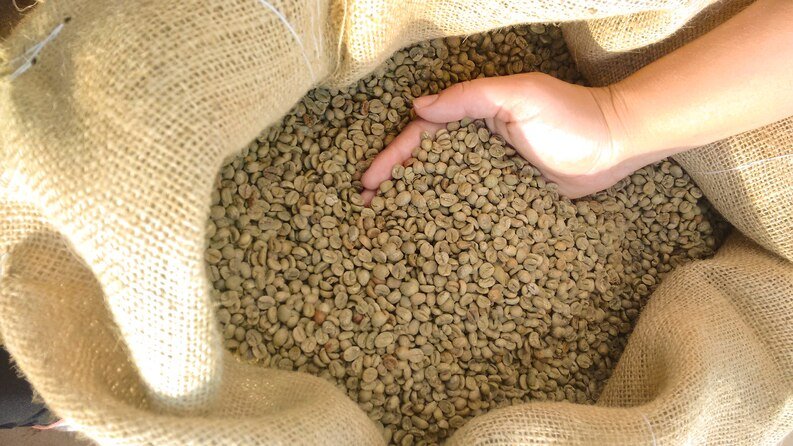
    Green Beans Coffee

    coffee luwak

    Green Beans Wild Civet Coffee offers an unadulterated journey into the essence of Kopi Luwak, capturing the pure and untamed flavors that have made this coffee a global sensation. With a commitment to ethical sourcing and responsible production, our Green Beans Wild Civet Coffee delivers a cup of exceptional quality and authenticity.

    Specifications:

    • Coffee Origin: Sourced from the lush coffee-growing regions of Indonesia, where wild civets roam freely and select only the finest cherries to consume.
    • Processing Method: After the civets ingest the ripe coffee cherries, the beans undergo a natural fermentation process within the civet’s digestive system. Once excreted, the beans are meticulously collected, cleaned, and prepared for roasting.
    • Flavor Profile: Green Beans Wild Civet Coffee offers a truly unique taste experience. The beans’ journey through the civet’s digestive tract imparts a remarkably smooth and less acidic character, complemented by earthy undertones and subtle hints of chocolate and fruit.
    • Aroma: The coffee exudes an inviting aroma that blends the earthiness of the wild with delicate floral notes, promising an aromatic adventure with every brew.
    • Roast Level: The green beans are intentionally left unroasted, preserving their raw and unaltered state. This allows you to experience the unfiltered essence of Kopi Luwak, showcasing the effects of the civet’s digestive alchemy on the beans.
    • Packaging: Our Green Beans Wild Civet Coffee is carefully packaged to ensure freshness upon delivery. The packaging also reflects our commitment to sustainability, utilizing eco-friendly materials whenever possible.
    • Ethical Sourcing: We prioritize ethical and sustainable sourcing practices, ensuring the well-being of civets and the preservation of their natural habitat. By choosing Green Beans Wild Civet Coffee, you’re supporting responsible coffee production.

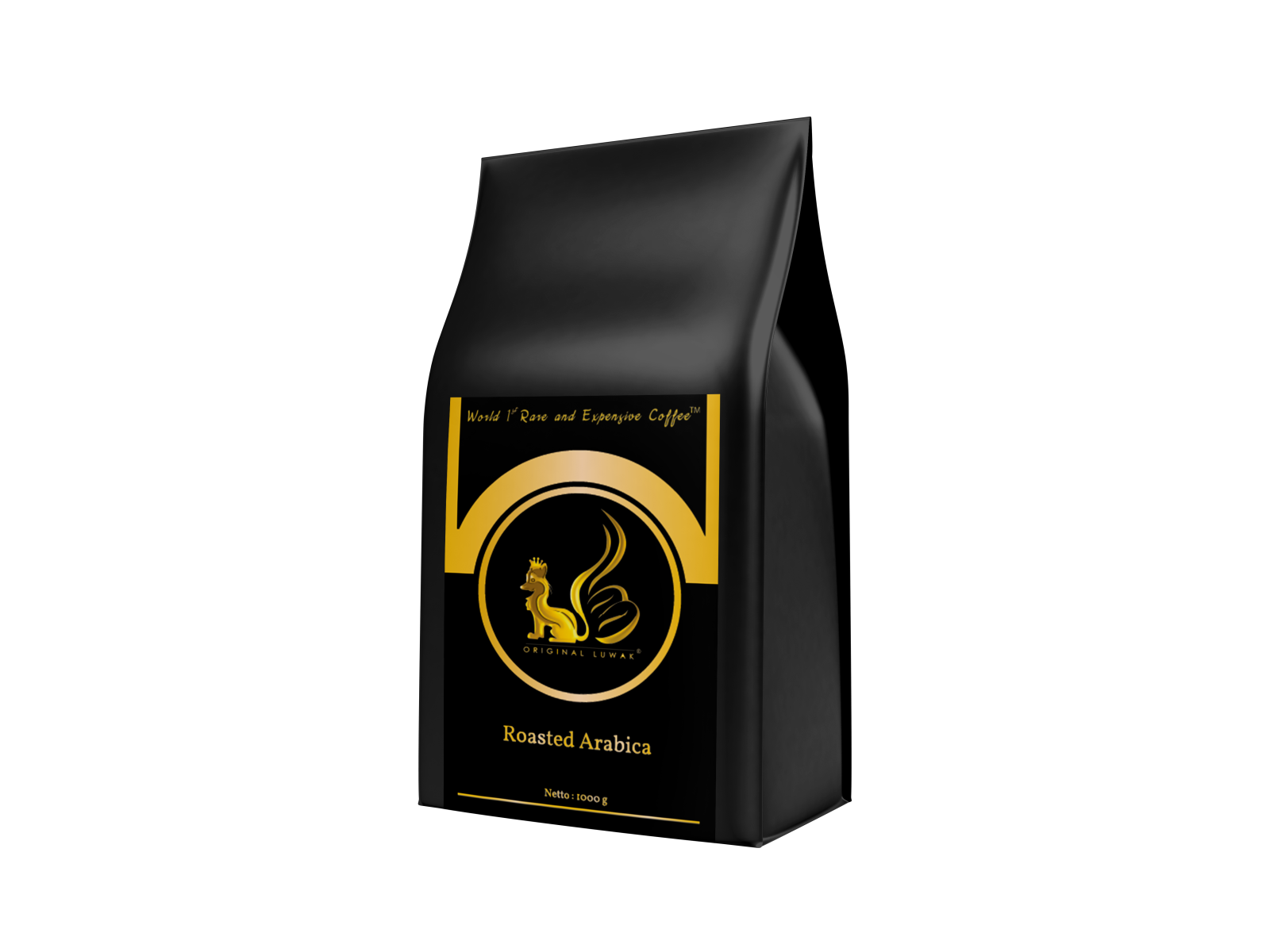
    Roasted Coffee

    Roasted Coffee Luwak

    Experience the epitome of coffee luxury with our Roasted Wild Civet Coffee. Meticulously crafted to showcase the unique flavors born from the symbiotic relationship between wild civets and coffee cherries, this blend offers a rich and aromatic journey that encapsulates the essence of Kopi Luwak. Elevate your coffee ritual with the finest Roasted Wild Civet Coffee, a true testament to nature’s artistry and human expertise.

    Specifications:

    • Coffee Origin: Our Roasted Wild Civet Coffee is sourced from regions renowned for their thriving biodiversity, where wild civets roam freely. By selecting only the ripest coffee cherries, these creatures contribute to the exceptional quality and distinctiveness of each batch.
    • Processing Method: The journey begins with civets consuming coffee cherries and initiating a transformative fermentation process within their digestive systems. Once the cherries’ outer layers are digested, the beans are collected, meticulously cleaned, and then skillfully roasted to bring out their fullest flavor potential.
    • Roast Profile: Our artisanal roasting process is tailored to enhance the flavors developed during the civet’s digestive alchemy. The medium-dark roast yields a coffee with a velvety body, balanced acidity, and enchanting notes of dark chocolate, caramel, and a subtle hint of tropical fruit.
    • Aroma: As you prepare your cup, the enticing aroma of our Roasted Wild Civet Coffee fills the air, inviting you to savor the harmonious blend of earthy tones and delicate floral fragrances.
    • Grind Level: To suit various brewing preferences, our Roasted Wild Civet Coffee is available in a range of grind sizes, from fine for espresso enthusiasts to medium-coarse for those who prefer pour-over or French press methods.
    • Packaging: We take pride in preserving the freshness and flavor of our coffee. Our packaging is designed to shield the beans from light and air, maintaining their exquisite taste until they reach your cup.
    • Ethical Commitment: Our dedication to ethical practices extends to the treatment of civets and the preservation of their natural habitats. By choosing Roasted Wild Civet Coffee, you actively support ethical sourcing and responsible coffee production.

    Ground Coffee

    Ground Coffee

    Indulge in the refined flavors of Kopi Luwak like never before with our meticulously crafted Ground Wild Civet Coffee. This exceptional blend offers a convenient and accessible way to experience the unique taste that has made Kopi Luwak a renowned delicacy. Sourced responsibly and crafted with care, each cup of Ground Wild Civet Coffee promises an exquisite journey of flavors.

    Specifications:

    • Coffee Origin: Our Ground Wild Civet Coffee is sourced from coffee-growing regions known for its vibrant ecosystems and diverse wildlife. We are committed to preserving the habitats of wild civets and supporting local communities.
    • Processing Method: After wild civets consume ripe coffee cherries, the beans undergo a natural fermentation process in their digestive systems. The beans are then collected, cleaned, and expertly roasted to perfection before being ground to a consistent particle size.
    • Flavor Profile: Ground Wild Civet Coffee boasts a distinct flavor profile characterized by its smoothness and reduced acidity. The digestive alchemy of the civets imparts a refined taste with subtle notes of caramel, chocolate, and a hint of fruit, creating a harmonious and well-balanced cup.
    • Aroma: As you prepare your cup, the aroma of our Ground Wild Civet Coffee envelops your senses with an enticing blend of earthiness and delicate floral undertones, promising a sensory journey with every sip.
    • Grind Size: Our coffee is finely ground to ensure an even extraction and optimal flavor release during brewing. The consistent grind allows for versatile brewing methods, from espresso to pour-over.
    • Packaging: The Ground Wild Civet Coffee is thoughtfully packaged to preserve its freshness and flavor. Our commitment to sustainability extends to our packaging, which is designed with eco-friendly materials whenever possible.
    • Ethical Sourcing: We place a strong emphasis on ethical sourcing, ensuring that the civets involved in the coffee production process are treated with care and respect. By choosing Ground Wild Civet Coffee, you contribute to sustainable practices and support responsible coffee production.

    Also Read: Luwak Coffee Benefits: Buckle up, This Will Be A Long List!

    Where to Buy Wild Civet Coffee

    Discover a trusted source for authentic Wild Civet Coffee at FandB Tech Indonesia. Learn how their commitment to sustainability and ethical sourcing aligns with your quest for an exquisite and responsible coffee indulgence.

    Conclusion

    Kopi Luwak isn’t just a beverage; it’s a tapestry woven with cultural, ethical, and sensory threads. By peeling back the layers and uncovering their hidden facts, you’re invited to savor every sip with newfound appreciation while making an informed choice that resonates with your values.

  • Wild Civet Coffee vs Captive Civet Coffee: Environmental Impact and Taste

    Wild Civet Coffee vs Captive Civet Coffee: Environmental Impact and Taste

    wild civet coffee vs cavtive civet coffee

    Are you a coffee connoisseur looking for the perfect cup of joe? If so, you’ve probably heard of the elusive and highly sought-after civet coffee. But did you know that there are two distinct types of civet coffee: wild civet coffee vs captive civet coffee? In this intriguing exploration, we will delve into the environmental impact and taste differences between the two.

    Wild civet coffee is known for its unique and rich flavor, as the civets roam freely in their natural habitat, selecting only the finest coffee cherries to feast on. On the other hand, captive civet coffee is produced by force-feeding civets in confined environments, raising concerns about animal welfare. Join us as we unravel the secrets behind these two contrasting methods of production and discover which one truly satisfies both your taste buds and your ethical standards. Get ready to embark on a flavorful journey that will leave you with a newfound appreciation for the fascinating world of civet coffee.

    Also Read: Do You Know? Fun Facts About Asian Palm Civet for You!

    Understanding the Difference between Wild Civet Coffee vs Captive Civet Coffee

    Civet coffee, also known as Kopi Luwak, is a unique and highly prized coffee produced from the feces of civet cats. These small, cat-like mammals are native to Southeast Asia and play an essential role in the production of civet coffee. However, the methods employed to obtain the coffee beans can vary significantly, resulting in two distinct types: wild civet coffee and captive civet coffee.

    Wild Civet Coffee

    These are obtained from civets that roam freely in their natural habitat. These nocturnal creatures have a natural affinity for coffee cherries and select only the ripest and finest cherries to eat. The cherries are then digested, and the coffee beans pass through the digestive system, undergoing a unique fermentation process. Afterward, the beans are collected from the feces, thoroughly washed, and roasted to perfection. The result is a coffee with a distinct and complex flavor profile, characterized by its smoothness, low acidity, and hints of chocolate and caramel.

    Wild Civet Coffee vs Captive Civet Coffee

    Captive Civet Coffee

    These Coffee, on the other hand, is produced under controlled conditions. Civets are captured and kept in captivity, often in cramped cages, where they have force-fed a diet consisting mainly of coffee cherries. This method of production aims to mass-produce civet coffee to meet the growing demand in the market. However, the force-feeding process raises ethical concerns as it goes against the natural behavior and welfare of the civets. Moreover, the quality of the coffee beans produced in these conditions is often compromised, resulting in a less desirable taste compared to its wild counterpart.

    Environmental Impact of Wild Civet Coffee Production

    The production of wild civet coffee has a minimal environmental impact compared to other forms of coffee production. In the wild, civets play a crucial role in the ecosystem as they help disperse the seeds of coffee plants. As they consume coffee cherries, the undigested seeds pass through their digestive system and are dispersed in their feces, leading to the growth of new coffee plants. This natural process contributes to the biodiversity and sustainability of the coffee ecosystem.

    Furthermore, This coffee production is typically practiced in small-scale and traditional farming systems. These farms often employ organic and sustainable farming practices, minimizing the use of synthetic pesticides and fertilizers. The coffee plants grow in harmony with the surrounding environment, resulting in healthier ecosystems and preserving the natural habitats of civets and other wildlife.

    Environmental Impact of Captive Civet Coffee Production

    In contrast to wild civet coffee production, this coffee production raises significant environmental concerns. The process involves capturing civets from their natural habitats and confining them in small cages for extended periods. This confinement not only affects the welfare of the animals but also disrupts the natural balance of the ecosystem.

    These coffee farms require large amounts of space to accommodate the growing demand for this luxury coffee. As a result, natural habitats are destroyed or altered to make way for these farms. Deforestation and habitat loss have severe consequences for the biodiversity of the region, leading to the displacement and extinction of many species.

    Additionally, These coffee farms often rely heavily on artificial fertilizers and pesticides to maximize production. These chemicals can contaminate the soil, water sources, and surrounding ecosystems, causing long-term damage to the environment and posing health risks to wildlife and nearby communities.

    Also Read: The History and Process of Civet Coffee in Indonesia

    The Ethical Concerns Surrounding Captive Civet Coffee

    This coffee production is marred by ethical concerns regarding the treatment and welfare of the civets involved. The practice of force-feeding civets a diet consisting mainly of coffee cherries goes against their natural behavior and can result in malnutrition, stress, and various health issues.

    Civets are solitary animals that require ample space to roam and exhibit natural behaviors. Confining them to small cages not only deprives them of their freedom but also leads to physical and psychological distress.

    Animal rights organizations have raised awareness about the unethical practices associated with this coffee production. The demand for this luxury coffee has led to an increase in the capture and trade of wild civets, further threatening their populations in the wild.

    Taste Comparison Between Wild and Captive Civet Coffee

    The taste of civet coffee is influenced by various factors, including the type of coffee cherries consumed, the fermentation process, and the roasting techniques. While both wild and captive civet coffee undergoes a similar fermentation process, the quality and taste can vary significantly.

    Wild civet coffee is renowned for its unique and complex flavor profile. The civets’ ability to select only the finest and ripest cherries results in a coffee with a smooth and mellow taste. The fermentation process in the civets’ digestive system adds depth and richness to the coffee, enhancing its flavor notes of chocolate, caramel, and even fruity undertones. The end result is a coffee that is highly prized by coffee enthusiasts for its distinct and luxurious taste.

    In contrast, captive civet coffee often fails to deliver the same level of quality and flavor. The force-feeding method used in this coffee production means that the civets consume a higher quantity of coffee cherries, including unripe and lower-quality cherries. This leads to a less refined taste, with increased bitterness and a lack of the unique flavor characteristics found in wild civet coffee.

    Factors Influencing the Taste of Civet Coffee

    Aside from the production method, several other factors can influence the taste of civet coffee. The origin of the coffee cherries, the altitude at which they are grown, and the processing techniques can all contribute to the final flavor profile. Additionally, the roasting process plays a crucial role in bringing out the unique flavors and aromas of civet coffee.

    Roasters who specialize in civet coffee often carefully control the roasting process to preserve the delicate flavors and nuances of the beans. This attention to detail ensures that the coffee retains its distinct characteristics, resulting in a premium cup of civet coffee that is truly a sensory delight.

    The Price and Availability of Wild Civet Coffee vs. Captive Civet Coffee

    Given the labor-intensive and limited production of civet coffee, it comes as no surprise that it is one of the most expensive coffees in the world. The rarity and exclusivity of civet coffee contribute to its high price tag, with wild civet coffee generally commanding a higher price than captive civet coffee.

    Wild civet coffee is produced in smaller quantities and requires a more meticulous collection process, making it considerably more scarce and expensive. The production of captive civet coffee, although more abundant, still comes at a premium due to the high demand and the costs associated with maintaining captive civet farms.

    When it comes to availability, wild civet coffee can be more challenging to find as it is produced in limited quantities and often sold through specialty coffee shops or online retailers. Captive civet coffee, on the other hand, is relatively more accessible, with a wider range of retailers and distributors offering this type of coffee.

    Also Read: Specialty vs Commercial Coffee: Which One is Right for You?

    Making an Informed Choice: Supporting Sustainable and Ethical Coffee Production

    As consumers, we have the power to make a difference by supporting sustainable and ethical coffee production. When choosing civet coffee, it is essential to consider not only the taste but also the environmental and ethical implications of the production method.

    Opting for wild civet coffee ensures that you are supporting a more sustainable and eco-friendly form of production. By purchasing coffee produced from civets in their natural habitat, you contribute to the preservation of biodiversity and the livelihoods of local communities.

    To ensure that the civet coffee you purchase is ethically sourced, look for certifications such as Rainforest Alliance or Fair Trade. These certifications guarantee that the coffee has been produced following strict environmental and ethical standards, ensuring that both the animals and the environment are treated with respect.

    By making an informed choice and supporting sustainable and ethical coffee production, you can enjoy a cup of civet coffee that not only tantalizes your taste buds but also aligns with your values and contributes to a better future for our planet.

    Conclusion: Balancing Taste, Ethics, and Environmental Impact in Coffee Consumption

    wild civet coffee

    In the world of coffee, wild civet coffee and captive civet coffee represent two distinct methods of production with significant differences in taste, environmental impact, and ethical considerations.

    Wild civet coffee, produced from civets in their natural habitat, offers a unique and rich flavor profile that is highly sought after by coffee enthusiasts. The production of wild civet coffee has a minimal environmental impact and supports sustainable farming practices.

    In contrast, captive civet coffee, produced through force-feeding civets in confined environments, raises ethical concerns and has a more significant environmental footprint. While captive civet coffee may be more accessible and affordable, it often falls short in terms of taste and quality.

    As consumers, it is crucial to consider the origins and production methods of the coffee we consume. By supporting sustainable and ethical coffee production, we can enjoy a cup of civet coffee that satisfies our taste buds while also respecting the environment and the welfare of animals.

    So, the next time you’re craving a cup of civet coffee, remember the choices you have. Choose wisely, and savor every sip of this unique and captivating beverage.

  • The History and Process of Civet Coffee Indonesia

    The History and Process of Civet Coffee Indonesia

    Civet coffee indonesia, also known as Kopi Luwak, is a unique and highly prized coffee variety renowned for its distinctive taste and intriguing production process. Indonesia, with its rich biodiversity and coffee-growing heritage, has played a significant role in the history and development of Civet Coffee. In this article, we will explore the fascinating journey of Civet Coffee, from its origins to the meticulous production process, and its cultural and economic significance in Indonesia.

    Also Read: Luwak Coffee Benefits: Buckle up, This Will Be A Long List!

    The Origins of Civet Coffee Indonesia.

    Civet coffee indonesia traces its origins back to the early 18th century when Dutch colonizers introduced coffee cultivation to the Indonesian archipelago. However, it was during the era of Dutch colonization that the unique process of Civet Coffee production was discovered. Local farmers noticed that Asian palm civets, small mammalian creatures, consumed coffee cherries and later excreted partially digested coffee beans. This discovery led to the birth of Civet Coffee, with Indonesia being at the forefront of its production.

    Curiosity sparked further exploration, leading to the realization that the civet cats’ digestive enzymes interacted with the coffee beans during the digestion process. This interaction, combined with the fermentation that occurred in the civets’ digestive tract, resulted in distinct changes to the coffee beans’ composition and flavor profile.

    Indonesia’s diverse ecosystems and fertile landscapes provide an ideal habitat for civet cats, contributing to the proliferation of Civet coffee production in the country. The coffee-growing regions of Sumatra, Java, Bali, and Sulawesi have become renowned for their high-quality Civet coffee.

    The Civet Coffee Indonesia Production Process

    The production process of Civet coffee, also known as Kopi Luwak, involves several meticulous steps that contribute to its unique flavor and highly sought-after status. Let’s delve into the intricacies of the Civet coffee production process:

    1. Selection of Coffee Cherries
      Farmers carefully select only the finest and ripest coffee cherries for Civet coffee production. These cherries must be at their peak of flavor and quality to ensure the best results.
    2. Consumption and Digestion by Civet Cats
      The selected coffee cherries are fed to captive civet cats, primarily the Asian palm civet. These small mammals have a particular fondness for coffee cherries. Once consumed, the cherries go through the civets’ digestive system.
    3. Harvesting of Civet Coffee Beans
      After the civets have ingested the coffee cherries, the beans go through the digestive process. While in the civets’ stomach, enzymes interact with the beans, resulting in fermentation and chemical changes. The beans are then excreted in the civets’ feces.
    4. Collection and Cleaning
      The excreted coffee beans are collected from the civet cat feces, typically done manually. The beans are carefully sorted and meticulously cleaned to remove any impurities.
    5. Fermentation and Processing
      The collected coffee beans undergo a fermentation process, usually in a controlled environment. This fermentation stage helps develop the distinct flavors and characteristics that Civet coffee is known for. After fermentation, the beans are thoroughly washed and carefully dried.
    6. Roasting
      Once dried, the Civet coffee beans are ready for roasting. Roasting is a crucial step in bringing out the desired flavors and aromas. Experienced roasters carefully monitor the roasting process to ensure the beans reach the optimal level of roast.
    7. Grinding and Brewing
      After roasting, the beans are ground to the desired consistency, depending on the brewing method preferred by consumers. Civet coffee can be prepared using various brewing techniques such as drip brewing, French press, or espresso machines.

    It should be noted that the Civet coffee indonesia production process necessitates rigorous attention to detail and experience at all stages. Because each batch of Civet coffee is quite tiny, there are only a limited number of them accessible on the market. This exclusivity, combined with the distinct flavor profile produced by the civets’ digestive process, leads to Civet coffee’s high value and popularity.

    The Rise of Civet Coffee Indonesia

    The rise of Civet coffee, also known as Kopi Luwak, in Indonesia has been characterized by increasing local and international demand, along with several challenges and considerations. Let’s explore these factors in more detail:

    Local and international demand for Civet Coffee

    Civet coffee’s distinct flavor profile and unusual production technique have piqued the interest of coffee connoisseurs all over the world. Civet coffee is highly sought after by connoisseurs and those looking for a one-of-a-kind coffee experience due to its scarcity and exclusivity. This rising demand has spurred the rise of Civet coffee in both domestic and international coffee markets.

    Challenges faced by Civet Coffee producers

    Despite rising demand, Civet coffee production creates a number of hurdles for growers. One key difficulty is the scarcity of Civet coffee. The production procedure is time-consuming and labor-intensive, with each civet generating only a little amount of beans. This scarcity raises the price of Civet coffee and creates logistical challenges in supplying the expanding market demand.

    Certification and ethical concerns

    The growing popularity of Civet coffee has sparked questions about the ethical treatment of civet cats used in the manufacturing process. There have been instances of animal welfare difficulties in the past, such as civets being kept in deplorable conditions. To address these concerns, certificates and norms for the ethical care of civet cats have been devised. These certifications confirm that the coffee beans were sourced properly, without jeopardizing the animals’ well-being.

    Economic impact on local communities

    Civet coffee manufacturing has had a substantial economic influence on local people in Indonesia’s coffee-growing regions. Farmers now have a vital source of income thanks to the increased demand for Civet coffee. Furthermore, the emergence of Civet coffee has boosted tourism in these areas, attracting people who want to see the production process firsthand and sample this distinctive coffee variety. This flood of tourists has helped to boost local economies and the development of linked businesses.

    Civet coffee’s rise in Indonesia has been spurred by both domestic and international demand. While this provides economic opportunity for farmers and communities, it also raises issues such as limited supply and ethical problems. The industry aspires to secure the continuous expansion and sustainability of Civet coffee production by establishing certifications and encouraging responsible methods, benefiting both the local economy and the welfare of civet cats participating in the process.

    Also Read: Do You Know? Fun Facts About Asian Palm Civet for You!

    The Future of Civet Coffee

    As we look ahead, several trends and opportunities emerge for Civet Coffee:

    Emerging trends and innovations: Continued research and innovation in coffee production techniques can further enhance the quality and sustainability of Civet Coffee.
    Market potential and growth opportunities: The growing appreciation for specialty and unique coffee varieties presents an optimistic outlook for Civet Coffee in the global market.
    Sustainability initiatives and certifications: Increased focus on sustainability and certifications will further strengthen the reputation and demand for ethically produced Civet Coffee.

    Conclusion

    Civet Coffee, with its captivating history and meticulous production process, remains a cultural and culinary treasure in Indonesia. Its unique flavors and the dedication of farmers and producers have made it a prized delicacy worldwide. As the industry moves forward, it is crucial to maintain a balance between quality, sustainability, and the well-being of civet cats to preserve the legacy of Civet Coffee for future generations.