Tag: coffee industry

  • Understanding the Dynamics of Tata Coffee Share Price

    Understanding the Dynamics of Tata Coffee Share Price

    Investing in the stock market involves a complex dance between risk and reward, influenced by a myriad of factors such as market trends, economic indicators, and company performance. Tata Coffee, a part of the renowned Tata Group, is a key player in the coffee industry and, as such, its share price is subject to various influences. In this exploration, we’ll delve into the nuances that contribute to the fluctuations in Tata Coffee’s share price and attempt to gain insights into the broader dynamics of the stock market.

    Tata Coffee: Company Overview

    Tata Coffee, a subsidiary of Tata Global Beverages, has carved a niche for itself in the coffee sector. Established in 1943, the company has grown to become one of the largest integrated coffee plantations in the world. Operating across the entire coffee value chain, from cultivation to retail, Tata Coffee has a global footprint with plantations in India and Vietnam. As of my last knowledge update in September 2021, it’s important to check the most recent financial reports and news for the latest information.

    Tata Coffee

    Tata Coffee Limited, a prominent player within the Tata Group, has crafted a compelling narrative in the coffee industry since its inception in 1943. With a rich history and a commitment to quality, sustainability, and innovation, Tata Coffee has become a significant force not only in India but also on the global stage.

    Historical Milestones

    Tata Coffee’s journey began with the establishment of its first coffee estate in Coorg, Karnataka, India. Over the decades, the company has expanded its footprint, acquiring and developing coffee plantations in various regions. These plantations, known for their lush landscapes and adherence to sustainable farming practices, have positioned Tata Coffee as a leader in the production of high-quality Arabica and Robusta coffee beans.

    The company’s commitment to excellence and ethical practices has been recognized through certifications such as Rainforest Alliance and UTZ, underscoring its dedication to environmental conservation and social responsibility.

    Diversified Operations

    Tata Coffee’s operations are not limited to coffee cultivation alone. The company has strategically diversified its portfolio to cover the entire coffee value chain. This includes processing, roasting, and packaging, ensuring control over product quality from the initial stages of cultivation to the final consumer product.

    The brand Tata Coffee is not confined to India; it has made a global imprint with plantations in Vietnam, making it a key player in the international coffee market. This global presence not only enhances the company’s market reach but also exposes it to diverse market conditions and consumer preferences.

    Integrated Approach to Business

    What sets Tata Coffee apart is its integrated approach to business. The company doesn’t just produce coffee; it crafts experiences for consumers. This integration involves blending traditional farming methods with modern technologies to optimize yields while ensuring sustainable practices. Moreover, Tata Coffee has ventured into the retail space, with its signature coffee stores providing a direct channel to connect with consumers.

    Sustainability and Corporate Social Responsibility

    In an era where sustainability is paramount, Tata Coffee has embraced environmentally conscious practices. Sustainable farming, water conservation initiatives, and biodiversity preservation are integral parts of the company’s ethos. Beyond environmental sustainability, Tata Coffee actively engages in community development programs, enhancing the livelihoods of those in and around its plantations.

    Technological Innovation

    The company’s commitment to quality is complemented by a dedication to technological innovation. Tata Coffee invests in advanced processing and roasting technologies to ensure that its products meet the highest international standards. Whether it’s experimenting with new coffee varieties or adopting precision farming techniques, Tata Coffee remains at the forefront of technological advancements in the coffee industry.

    Challenges and Adaptive Strategies

    The coffee industry is not without its challenges, ranging from the impact of climate change on crop yields to the volatility of commodity prices in the global market. Tata Coffee, demonstrating resilience, has been proactive in addressing these challenges. This includes investing in research and development to develop climate-resistant coffee varieties and implementing risk management strategies to navigate market fluctuations.

    Future Outlook

    Looking ahead, Tata Coffee is positioned to capitalize on the growing global demand for high-quality coffee. The company’s focus on sustainability aligns with evolving consumer preferences for ethically sourced products. The expansion of its retail presence, both physical and online, provides avenues for direct consumer engagement and brand building.

    As the world becomes more connected, Tata Coffee’s international presence positions it strategically to tap into emerging markets and respond to changing consumer trends. The company’s ability to balance tradition with innovation, and its unwavering commitment to quality and sustainability, positions it as a formidable player in the dynamic and ever-evolving global coffee industry.

    In conclusion, Tata Coffee’s journey from its humble beginnings to its current stature is not just a story of corporate growth but a testament to its enduring commitment to quality, sustainability, and responsible business practices. As the company continues to evolve, it navigates the complexities of the global coffee market with a blend of tradition, innovation, and a vision for a sustainable future.

    Macroeconomic Factors

    Macroeconomic factors play a pivotal role in determining the share prices of companies, and Tata Coffee is no exception. Economic indicators such as GDP growth, inflation rates, and interest rates can significantly impact the overall market sentiment. For instance, during periods of economic growth, consumer spending tends to rise, benefiting companies like Tata Coffee that operate in the consumer goods sector.

    Moreover, the global coffee market itself is influenced by factors such as weather conditions, which can impact coffee bean production, and geopolitical events that may affect trade relations.

    Understanding the broader trends within the coffee industry is essential for evaluating Tata Coffee’s position. The demand for coffee, both domestically and internationally, can be influenced by shifting consumer preferences, health trends, and economic conditions.

    Competitive dynamics within the industry also play a role. Tata Coffee competes with other global players, and developments within the competitive landscape can affect investor perceptions and, consequently, the share price.

    Financial Performance

    A critical aspect that investors keenly observe is the financial health and performance of a company. Metrics such as revenue growth, profitability, and debt levels provide valuable insights. Positive financial results are likely to bolster investor confidence and contribute to a positive stock performance.

    Investors often scrutinize quarterly and annual reports to gauge how well a company is managing its resources, executing its business strategy, and adapting to market conditions. Any surprises, either positive or negative, can lead to significant movements in the share price.

    Regulatory Environment

    Regulatory changes and compliance issues can have a profound impact on a company’s operations and its stock price. Investors need to stay abreast of any regulatory developments in the regions where Tata Coffee operates. Changes in tax policies, environmental regulations, or labor laws can affect the company’s cost structure and, consequently, its financial performance.

    Investor Sentiment

    The stock market is not only driven by concrete financial data but also by the perceptions and sentiments of investors. News, rumors, and market speculation can influence stock prices. For Tata Coffee, developments within the Tata Group, changes in leadership, or strategic decisions can sway investor sentiment and impact share prices.

    Global and Regional Economic Conditions

    Since Tata Coffee is a global player, it is susceptible to changes in economic conditions worldwide. For instance, if there is a global economic downturn, it might lead to reduced consumer spending, impacting the demand for premium coffee products.

    Similarly, regional economic conditions, especially in the countries where Tata Coffee has its plantations, can have a direct impact on production costs and supply chain logistics.

    Technological Advancements and Innovation

    Innovation within the coffee industry, whether in terms of cultivation techniques or new product offerings, can significantly impact a company’s competitiveness. Investors often look for signs that a company is staying ahead of industry trends and embracing technological advancements.

    For Tata Coffee, developments in sustainable farming practices, new coffee varieties, or innovative processing methods can be factors that influence investor perceptions and, consequently, the share price.

    It’s important for investors to distinguish between short-term market volatility and long-term trends. Short-term fluctuations in Tata Coffee’s share price can be influenced by day-to-day market sentiment, news events, or even speculative trading. Long-term investors may focus more on the fundamental strength of the company, its growth prospects, and its ability to navigate challenges.

    Risks and Challenges

    No investment is without risks, and Tata Coffee is no exception. Investors should be aware of the risks associated with the coffee industry, such as the vulnerability to weather conditions, fluctuations in commodity prices, and the potential impact of global trade tensions.

    Additionally, company-specific risks, such as management changes, supply chain disruptions, or unforeseen legal issues, can affect Tata Coffee’s share price.

    Conclusion

    Investing in Tata Coffee, like any other stock, requires a comprehensive understanding of the myriad factors that contribute to its share price dynamics. From macroeconomic conditions to industry trends, regulatory environments, and the company’s financial performance, investors must navigate a complex landscape.

    While past performance and historical data provide valuable insights, the future is inherently uncertain. Therefore, investors should approach their analysis with a blend of fundamental research, awareness of market sentiment, and a long-term perspective. Keeping abreast of the latest news, financial reports, and industry developments is crucial for making informed decisions in the dynamic world of stock markets.

  • 7 Sustainable Coffee Farming Practices You Need to Know

    7 Sustainable Coffee Farming Practices You Need to Know

    Sustainable Coffee Farming

    Sustainable coffee farming is important to the world economy, but it also has a large environmental impact. Adopting sustainable methods is critical for the coffee industry’s long-term existence. In this post, we will look at ten fundamental sustainable coffee farming practices that encourage environmental conservation, help local communities, and ensure high-quality coffee bean production.

    Also Read: Indonesian Coffee Beans: Flavorful Delights with Mandheling Coffee

    1. Shade-Grown Coffee

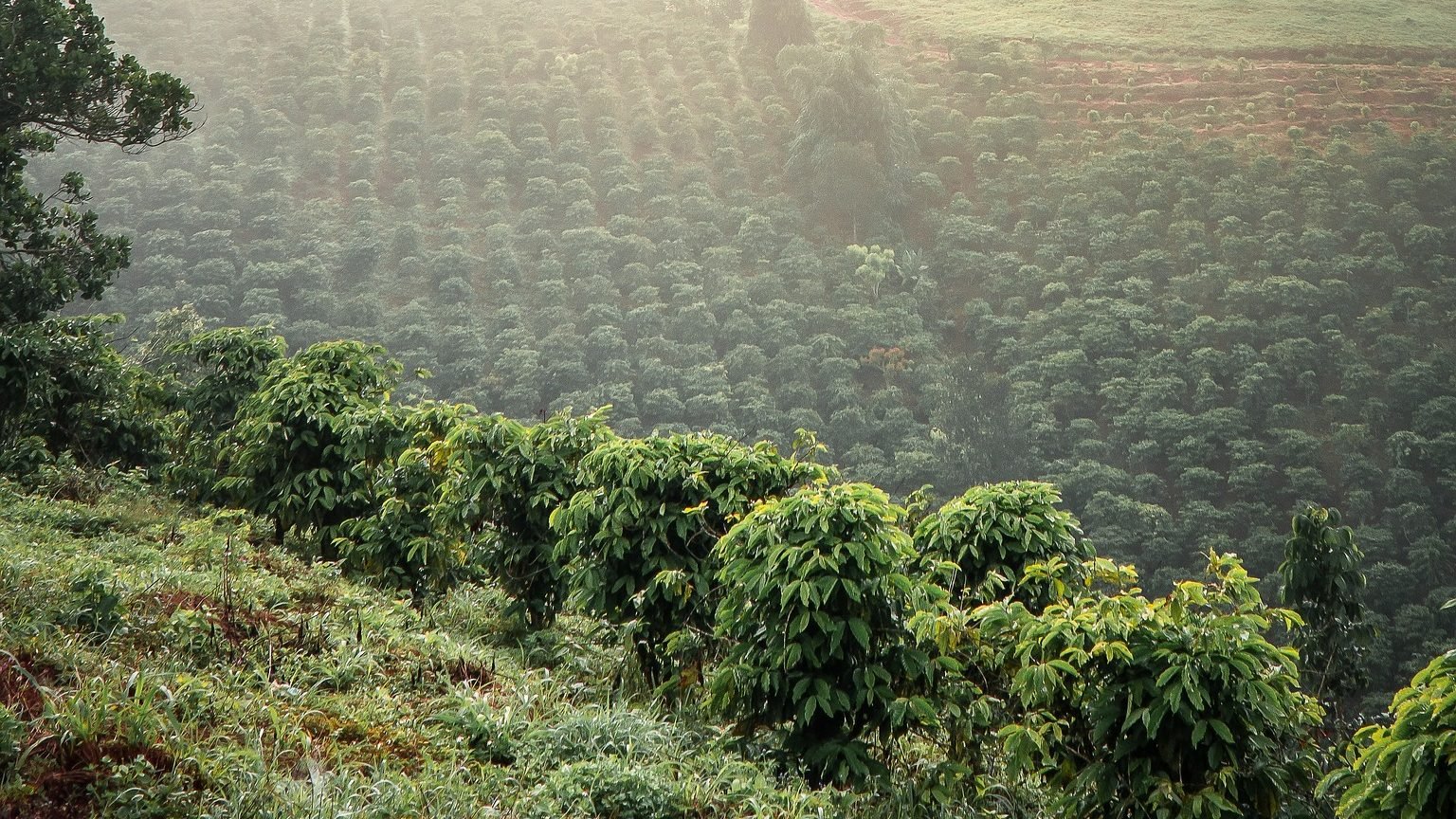
    Shade-grown coffee is the process of growing coffee plants under a canopy of trees, simulating coffee’s natural environment in the understory of forests. Shade-grown coffee, as opposed to sun-grown coffee, which is produced in open fields with little to no shade, preserves the ecological balance and provides several benefits for both the environment and coffee quality.

    • Conservation of Biodiversity: Shade-grown coffee farms maintain different ecosystems and provide refuge for wildlife.
    • Ecosystem Health: Canopy trees contribute organic matter, enhance soil fertility, and reduce the need for synthetic fertilizers.
    • Pest Control: Shade trees create a microclimate that naturally controls pests and diseases.
    • Soil Conservation: The tree roots prevent soil erosion, maintaining soil productivity.
    • Climate Change Mitigation: Shade-grown coffee farms act as carbon sinks, reducing greenhouse gas emissions.
    • Coffee Quality: Slower maturation and optimal bean development result in higher-quality coffee with complex flavors.

    To promote and validate shade-grown coffee production, certification schemes such as Rainforest Alliance and Bird-Friendly Coffee have been formed. Customers may support sustainable agricultural techniques, biodiversity conservation, and the production of high-quality coffee by purchasing shade-grown coffee.

    2. Agroforestry

    Agroforestry is a type of sustainable coffee farming that involves combining trees with agricultural crops such as coffee. This strategy has various environmental and agricultural production benefits:

    • Soil Fertility Improvement: Trees in agroforestry systems improve soil fertility by decomposing leaf litter and organic materials. The decomposing leaves release nutrients into the soil and improve its overall fertility. Natural nutrient cycling eliminates the demand for synthetic fertilizers while also encouraging healthy crop growth.
    • Carbon Sequestration: Agroforestry helps to mitigate climate change by removing carbon dioxide from the atmosphere. Trees absorb carbon during photosynthesis and store it in their biomass and soil. This helps to mitigate climate change by offsetting greenhouse gas emissions.
    • Microclimate Control: Trees in agroforestry systems provide a microclimate that helps crops such as coffee. Shade is provided by trees, which reduces temperature extremes and protects coffee plants from severe heat or frost. This microclimate management improves crop resilience and supports optimal growing conditions.
    • Biodiversity Conservation: Agroforestry systems promote biodiversity by providing habitats for various plant and animal species. The diverse mix of trees and crops creates a favorable environment for beneficial insects, birds, and other wildlife. This biodiversity supports natural pest control, pollination, and ecological balance.
    • Water Management: Trees in agroforestry systems aid in the regulation of water availability and the prevention of soil erosion. During periods of heavy rainfall, their thick roots absorb excess water, preventing runoff and soil erosion. During dry spells, trees release stored water into the soil, providing moisture for crops and ensuring water availability.
    • Economic Sustainability: Agroforestry systems can help farmers diversify their income streams. In addition to coffee, the trees in these systems can provide fruits, lumber, or medicinal plants. Diversification increases economic resilience and decreases reliance on a single crop.

    Farmers can improve soil fertility, mitigate climate change, conserve biodiversity, manage microclimates, and promote sustainable livelihoods by implementing agroforestry practices in coffee cultivation. Agroforestry is a comprehensive technique that promotes a harmonious interaction between agriculture and the environment, ensuring long-term sustainability in coffee production.

    3. Organic Farming

    Organic farming is a farming method that emphasizes the use of natural and ecologically friendly procedures while avoiding the use of synthetic pesticides, genetically modified organisms (GMOs), and synthetic fertilizers. Organic approaches in sustainable coffee farming provide various advantages:

    • Environmental Preservation: Organic coffee farming avoids synthetic chemicals, preserving biodiversity and maintaining water quality.
    • Soil and Water Conservation: Organic practices enhance soil fertility and water retention through methods like composting and crop rotation.
    • Protection of Farm Workers’ Well-being: Organic farming reduces exposure to harmful chemicals, creating safer working conditions for farmers.
    • High-Quality Coffee: Organic cultivation allows coffee cherries to develop unique flavors and aromas, resulting in superior taste and quality.
    • Consumer Health and Safety: Organic coffee is free from residues of synthetic pesticides, ensuring a safer and healthier choice for consumers.
    • Market Demand and Premium Pricing: The growing demand for organic products, including coffee, offers market opportunities and potential for higher prices.

    While organic growing brings some obstacles, such as managing pests and diseases without the use of synthetic pesticides, it provides a holistic and environmentally conscientious approach to coffee production. Coffee growers that embrace organic practices contribute to a better ecosystem, preserve their personal well-being, and meet the growing demand for sustainable coffee farming and high-quality organic coffee.

    Also Read: Environmental Impact and Taste: Organic vs Non Organic Coffee

    4. Water Management

    Water management in sustainable coffee farming plays a critical role in agriculture. Here are the key aspects and benefits of effective water management practices:

    • Rainwater Harvesting and Recycling: Rainwater capture and recycling systems supplement irrigation needs and reduce dependence on external water sources.
    • Efficient Irrigation Methods: Precise irrigation methods minimize water waste and optimize water usage in coffee farms.
    • Protecting Water Quality: Buffer zones and vegetation strips filter runoff, reducing the risk of water pollution and preserving water sources.

    Water management in coffee cultivation improves agricultural productivity, decreases water waste, maintains water quality, and promotes long-term environmental sustainability. Coffee producers can ensure the supply of this crucial resource while limiting their environmental footprint by employing effective irrigation systems, saving water resources, and adjusting to changing climate conditions.

    5. Soil Conservation

    Soil conservation is essential in sustainable coffee farming to maintain soil health and productivity. Here are the key aspects and benefits of soil conservation practices:

    • Terracing and Contouring: Creating level steps and following natural contours on sloped areas minimize soil erosion and retain soil structure and fertility.
    • Cover Cropping: Planting specific crops during non-coffee growth periods protects the soil from erosion, improves soil structure, and adds organic matter.
    • Composting and Organic Matter Addition: Converting organic waste into nutrient-rich compost and incorporating it into the soil enhances fertility, water retention, and beneficial microbial activity.

    Coffee producers may protect the soil from erosion, maintain its fertility, promote sustainable crop growth, and limit the environmental impact of farming activities by employing soil conservation methods. Healthy soils contribute to the long-term viability of coffee production and overall ecosystem health.

    6. Biodiversity Preservation

    • Planting Native Trees and Shrubs: Including native species supports wildlife habitats and ecological balance.
    • Creating Wildlife Corridors: Designating pathways allows for the movement of wildlife and promotes genetic diversity.
    • Natural Pest Control Methods: Using biological controls reduces reliance on synthetic pesticides and supports a healthy ecosystem.

    Coffee producers actively contribute to the preservation of biodiversity by applying these techniques, which include planting native trees and shrubs, building wildlife corridors, and using natural pest control methods. These approaches serve to keep ecosystems in balance, offer habitat for wildlife, and improve the overall sustainability and resilience of coffee-growing systems. Biodiversity conservation is not only important for the long-term health of the ecosystem, but it also plays an important role in guaranteeing the viability of coffee production in the future.

    7. Fair Trade and Ethical Partnerships

    Sustainable Coffee Farming
    • Fair Prices and Social Responsibility: Fair trade sustainable coffee farming practices attempt to ensure that farmers receive fair prices for their products, allowing them to maintain a sustainable livelihood. Fairtrade certification organizations create minimum pricing requirements that cover the cost of production while also providing farmers with a fair wage. Coffee buyers and roasters contribute to poverty reduction, improved living circumstances, and social development in coffee-producing communities by paying fair prices. Transparency, accountability, and ethical business practices are also promoted by fair trade throughout the supply chain.
    • Local Community Support: Ethically sustainable coffee farming partnerships prioritize the well-being and empowerment of local communities. This includes investing in community development projects, encouraging gender equality and social inclusion, and supporting education and healthcare programs. Buyers and roasters can help the region’s general socioeconomic growth by collaborating closely with coffee-producing communities. This assistance contributes to the development of stronger and more resilient communities, improves the quality of life for coffee farmers and their families, and develops pride and ownership in the local coffee sector.

    The coffee business may have a positive and long-term impact on the lives of coffee growers and their communities by embracing fair trade and ethical relationships. Fair prices and social responsibility ensure that farmers are fairly compensated for their efforts and commitment. Supporting local communities through various programs aids in the resolution of social issues, the promotion of economic empowerment, and the development of a more inclusive and equitable coffee supply chain. These methods contribute to a more ethical and responsible coffee sector that promotes the well-being of farmers and communities while simultaneously providing consumers with high-quality, sustainable coffee farming.

    Conclusion

    Adopting sustainable coffee farming cultivation practices is critical for the coffee industry’s future. Coffee growers may preserve biodiversity, protect ecosystems, and produce high-quality coffee by using shade-grown coffee, agroforestry, and organic farming practices. Water conservation, soil conservation, and biodiversity protection all contribute to sustainability. Measures like fair trade, energy efficiency, and climate change adaptation promote a responsible and resilient coffee sector. Let us work together to promote sustainable coffee farming and enjoy a greener brew that benefits the environment and the communities that cultivate our cherished beverage.