Tag: coffee farmers

  • 7 Sustainable Coffee Farming Practices You Need to Know

    7 Sustainable Coffee Farming Practices You Need to Know

    Sustainable Coffee Farming

    Sustainable coffee farming is important to the world economy, but it also has a large environmental impact. Adopting sustainable methods is critical for the coffee industry’s long-term existence. In this post, we will look at ten fundamental sustainable coffee farming practices that encourage environmental conservation, help local communities, and ensure high-quality coffee bean production.

    Also Read: Indonesian Coffee Beans: Flavorful Delights with Mandheling Coffee

    1. Shade-Grown Coffee

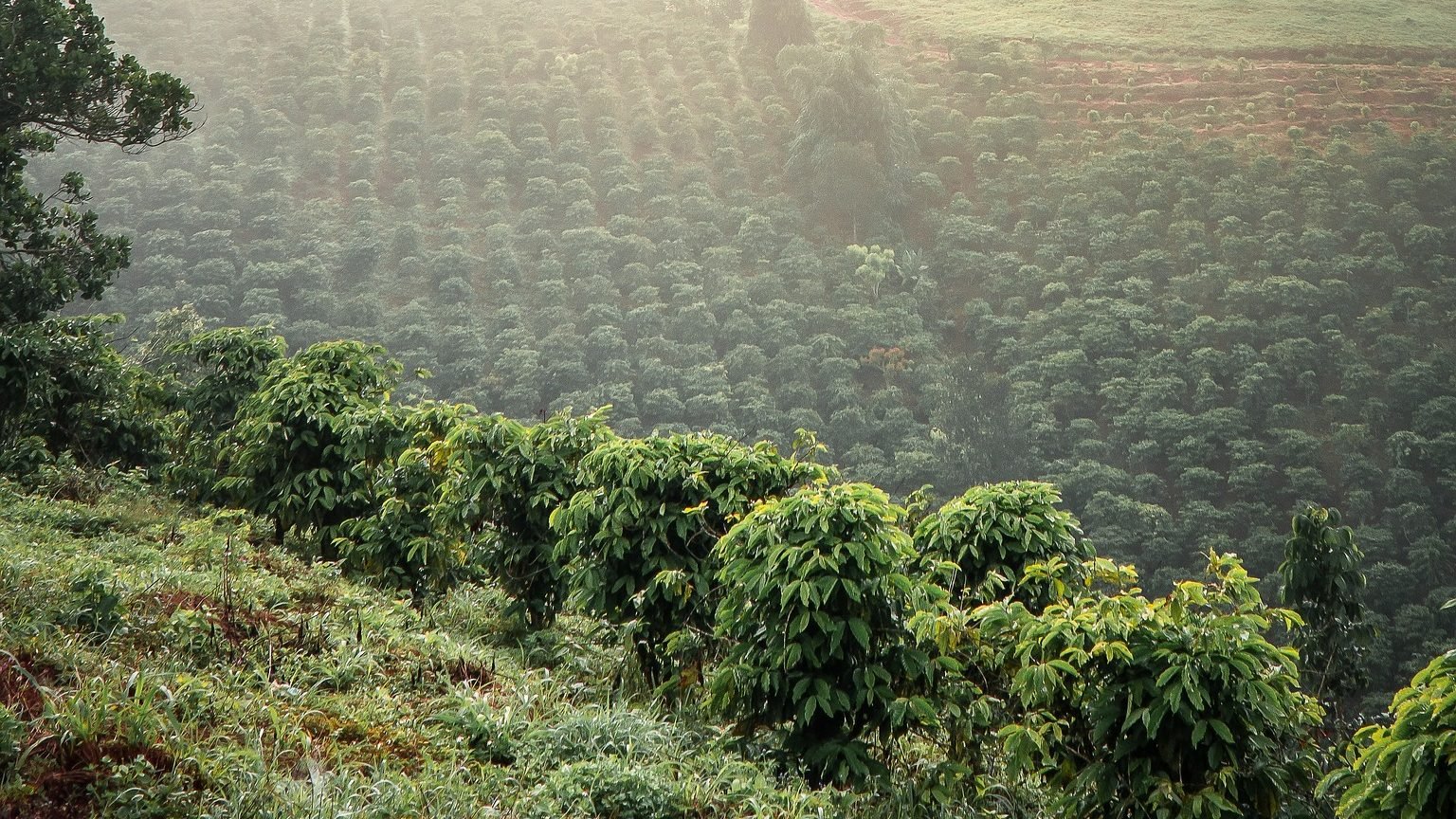
    Shade-grown coffee is the process of growing coffee plants under a canopy of trees, simulating coffee’s natural environment in the understory of forests. Shade-grown coffee, as opposed to sun-grown coffee, which is produced in open fields with little to no shade, preserves the ecological balance and provides several benefits for both the environment and coffee quality.

    • Conservation of Biodiversity: Shade-grown coffee farms maintain different ecosystems and provide refuge for wildlife.
    • Ecosystem Health: Canopy trees contribute organic matter, enhance soil fertility, and reduce the need for synthetic fertilizers.
    • Pest Control: Shade trees create a microclimate that naturally controls pests and diseases.
    • Soil Conservation: The tree roots prevent soil erosion, maintaining soil productivity.
    • Climate Change Mitigation: Shade-grown coffee farms act as carbon sinks, reducing greenhouse gas emissions.
    • Coffee Quality: Slower maturation and optimal bean development result in higher-quality coffee with complex flavors.

    To promote and validate shade-grown coffee production, certification schemes such as Rainforest Alliance and Bird-Friendly Coffee have been formed. Customers may support sustainable agricultural techniques, biodiversity conservation, and the production of high-quality coffee by purchasing shade-grown coffee.

    2. Agroforestry

    Agroforestry is a type of sustainable coffee farming that involves combining trees with agricultural crops such as coffee. This strategy has various environmental and agricultural production benefits:

    • Soil Fertility Improvement: Trees in agroforestry systems improve soil fertility by decomposing leaf litter and organic materials. The decomposing leaves release nutrients into the soil and improve its overall fertility. Natural nutrient cycling eliminates the demand for synthetic fertilizers while also encouraging healthy crop growth.
    • Carbon Sequestration: Agroforestry helps to mitigate climate change by removing carbon dioxide from the atmosphere. Trees absorb carbon during photosynthesis and store it in their biomass and soil. This helps to mitigate climate change by offsetting greenhouse gas emissions.
    • Microclimate Control: Trees in agroforestry systems provide a microclimate that helps crops such as coffee. Shade is provided by trees, which reduces temperature extremes and protects coffee plants from severe heat or frost. This microclimate management improves crop resilience and supports optimal growing conditions.
    • Biodiversity Conservation: Agroforestry systems promote biodiversity by providing habitats for various plant and animal species. The diverse mix of trees and crops creates a favorable environment for beneficial insects, birds, and other wildlife. This biodiversity supports natural pest control, pollination, and ecological balance.
    • Water Management: Trees in agroforestry systems aid in the regulation of water availability and the prevention of soil erosion. During periods of heavy rainfall, their thick roots absorb excess water, preventing runoff and soil erosion. During dry spells, trees release stored water into the soil, providing moisture for crops and ensuring water availability.
    • Economic Sustainability: Agroforestry systems can help farmers diversify their income streams. In addition to coffee, the trees in these systems can provide fruits, lumber, or medicinal plants. Diversification increases economic resilience and decreases reliance on a single crop.

    Farmers can improve soil fertility, mitigate climate change, conserve biodiversity, manage microclimates, and promote sustainable livelihoods by implementing agroforestry practices in coffee cultivation. Agroforestry is a comprehensive technique that promotes a harmonious interaction between agriculture and the environment, ensuring long-term sustainability in coffee production.

    3. Organic Farming

    Organic farming is a farming method that emphasizes the use of natural and ecologically friendly procedures while avoiding the use of synthetic pesticides, genetically modified organisms (GMOs), and synthetic fertilizers. Organic approaches in sustainable coffee farming provide various advantages:

    • Environmental Preservation: Organic coffee farming avoids synthetic chemicals, preserving biodiversity and maintaining water quality.
    • Soil and Water Conservation: Organic practices enhance soil fertility and water retention through methods like composting and crop rotation.
    • Protection of Farm Workers’ Well-being: Organic farming reduces exposure to harmful chemicals, creating safer working conditions for farmers.
    • High-Quality Coffee: Organic cultivation allows coffee cherries to develop unique flavors and aromas, resulting in superior taste and quality.
    • Consumer Health and Safety: Organic coffee is free from residues of synthetic pesticides, ensuring a safer and healthier choice for consumers.
    • Market Demand and Premium Pricing: The growing demand for organic products, including coffee, offers market opportunities and potential for higher prices.

    While organic growing brings some obstacles, such as managing pests and diseases without the use of synthetic pesticides, it provides a holistic and environmentally conscientious approach to coffee production. Coffee growers that embrace organic practices contribute to a better ecosystem, preserve their personal well-being, and meet the growing demand for sustainable coffee farming and high-quality organic coffee.

    Also Read: Environmental Impact and Taste: Organic vs Non Organic Coffee

    4. Water Management

    Water management in sustainable coffee farming plays a critical role in agriculture. Here are the key aspects and benefits of effective water management practices:

    • Rainwater Harvesting and Recycling: Rainwater capture and recycling systems supplement irrigation needs and reduce dependence on external water sources.
    • Efficient Irrigation Methods: Precise irrigation methods minimize water waste and optimize water usage in coffee farms.
    • Protecting Water Quality: Buffer zones and vegetation strips filter runoff, reducing the risk of water pollution and preserving water sources.

    Water management in coffee cultivation improves agricultural productivity, decreases water waste, maintains water quality, and promotes long-term environmental sustainability. Coffee producers can ensure the supply of this crucial resource while limiting their environmental footprint by employing effective irrigation systems, saving water resources, and adjusting to changing climate conditions.

    5. Soil Conservation

    Soil conservation is essential in sustainable coffee farming to maintain soil health and productivity. Here are the key aspects and benefits of soil conservation practices:

    • Terracing and Contouring: Creating level steps and following natural contours on sloped areas minimize soil erosion and retain soil structure and fertility.
    • Cover Cropping: Planting specific crops during non-coffee growth periods protects the soil from erosion, improves soil structure, and adds organic matter.
    • Composting and Organic Matter Addition: Converting organic waste into nutrient-rich compost and incorporating it into the soil enhances fertility, water retention, and beneficial microbial activity.

    Coffee producers may protect the soil from erosion, maintain its fertility, promote sustainable crop growth, and limit the environmental impact of farming activities by employing soil conservation methods. Healthy soils contribute to the long-term viability of coffee production and overall ecosystem health.

    6. Biodiversity Preservation

    • Planting Native Trees and Shrubs: Including native species supports wildlife habitats and ecological balance.
    • Creating Wildlife Corridors: Designating pathways allows for the movement of wildlife and promotes genetic diversity.
    • Natural Pest Control Methods: Using biological controls reduces reliance on synthetic pesticides and supports a healthy ecosystem.

    Coffee producers actively contribute to the preservation of biodiversity by applying these techniques, which include planting native trees and shrubs, building wildlife corridors, and using natural pest control methods. These approaches serve to keep ecosystems in balance, offer habitat for wildlife, and improve the overall sustainability and resilience of coffee-growing systems. Biodiversity conservation is not only important for the long-term health of the ecosystem, but it also plays an important role in guaranteeing the viability of coffee production in the future.

    7. Fair Trade and Ethical Partnerships
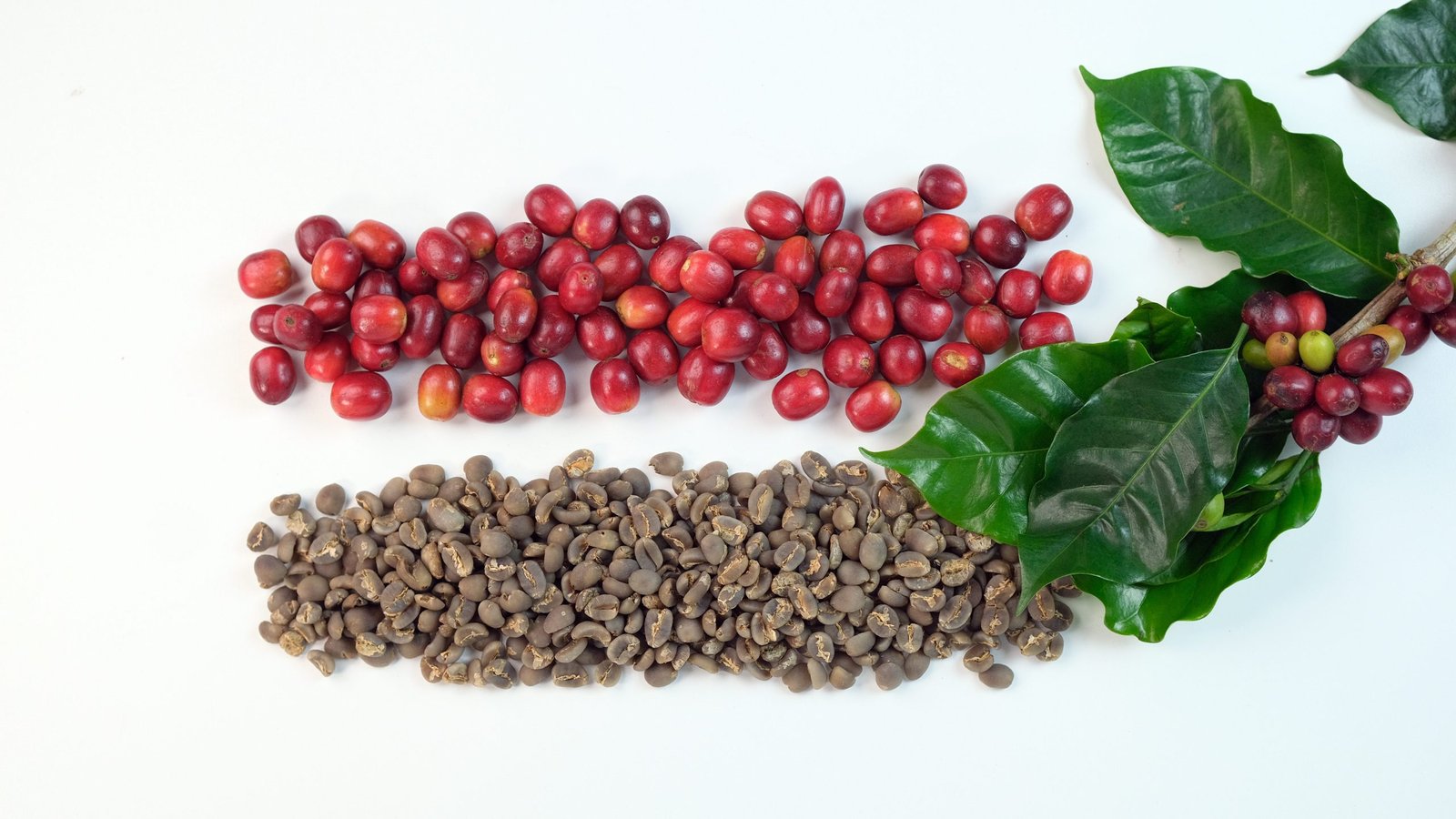
    Sustainable Coffee Farming
    • Fair Prices and Social Responsibility: Fair trade sustainable coffee farming practices attempt to ensure that farmers receive fair prices for their products, allowing them to maintain a sustainable livelihood. Fairtrade certification organizations create minimum pricing requirements that cover the cost of production while also providing farmers with a fair wage. Coffee buyers and roasters contribute to poverty reduction, improved living circumstances, and social development in coffee-producing communities by paying fair prices. Transparency, accountability, and ethical business practices are also promoted by fair trade throughout the supply chain.
    • Local Community Support: Ethically sustainable coffee farming partnerships prioritize the well-being and empowerment of local communities. This includes investing in community development projects, encouraging gender equality and social inclusion, and supporting education and healthcare programs. Buyers and roasters can help the region’s general socioeconomic growth by collaborating closely with coffee-producing communities. This assistance contributes to the development of stronger and more resilient communities, improves the quality of life for coffee farmers and their families, and develops pride and ownership in the local coffee sector.

    The coffee business may have a positive and long-term impact on the lives of coffee growers and their communities by embracing fair trade and ethical relationships. Fair prices and social responsibility ensure that farmers are fairly compensated for their efforts and commitment. Supporting local communities through various programs aids in the resolution of social issues, the promotion of economic empowerment, and the development of a more inclusive and equitable coffee supply chain. These methods contribute to a more ethical and responsible coffee sector that promotes the well-being of farmers and communities while simultaneously providing consumers with high-quality, sustainable coffee farming.

    Conclusion

    Adopting sustainable coffee farming cultivation practices is critical for the coffee industry’s future. Coffee growers may preserve biodiversity, protect ecosystems, and produce high-quality coffee by using shade-grown coffee, agroforestry, and organic farming practices. Water conservation, soil conservation, and biodiversity protection all contribute to sustainability. Measures like fair trade, energy efficiency, and climate change adaptation promote a responsible and resilient coffee sector. Let us work together to promote sustainable coffee farming and enjoy a greener brew that benefits the environment and the communities that cultivate our cherished beverage.

  • Raw Coffee Beans: From Farm to Cup – The Enchanting Path of Fresh Flavors

    Raw Coffee Beans: From Farm to Cup – The Enchanting Path of Fresh Flavors

    Raw coffee beans

    Overview of the Enchanting Journey of Raw Coffee Beans from Farm to Cup

    Raw coffee beans make an enthralling trip from the coffee farms where they are grown to the cups of coffee connoisseurs all over the world. This article delves into the numerous stages of this process, shining light on the intricate techniques that go into making a delicious cup of coffee.

    Also Read: Here are 3 Sumatra Coffee Exporters and Indonesia’s Best Coffee Farmers

    Understanding the journey of raw coffee beans is crucial for coffee enthusiasts as it deepens their appreciation for the craft and artistry behind each cup. By comprehending the cultivation, processing, and brewing methods, coffee lovers can develop a discerning palate and make informed choices when selecting and enjoying their coffee.

    This article aims to provide a thorough overview of the enthralling journey of raw coffee beans, including insights into the production, processing, and brewing procedures involved. Its goal is to educate and engage coffee lovers, creating a greater understanding for the intricate process that brings their favourite beverage to life.

    Cultivation and Harvesting

    Coffee Plant Varieties and Their Cultivation Requirements: Coffee plants are classified into several species, the most common of which are Arabica and Robusta. Each cultivar has unique growth requirements, including as optimal temperature, altitude, and soil conditions. Arabica flourishes at higher elevations and in milder climates, whilst Robusta can tolerate lower elevations and warmer climates.

    The Role of Climate and Soil in Coffee Farming: Climate and soil are critical factors in coffee farming. A mix of consistent rainfall, sufficient sunshine, and warm temperatures is perfect for coffee cultivation. Furthermore, optimal coffee plant growth requires well-drained, nutrient-rich soil.

    Techniques for Sustainable and Responsible Coffee Cultivation: Coffee producers use a variety of approaches to encourage sustainable practices. Shade-grown farming, which helps to preserve biodiversity, organic farming methods to limit chemical inputs, and water conservation strategies are among them. Fairtrade and ethical sourcing initiatives also ensure that farmers are fairly compensated for their efforts.

    Raw coffee beans

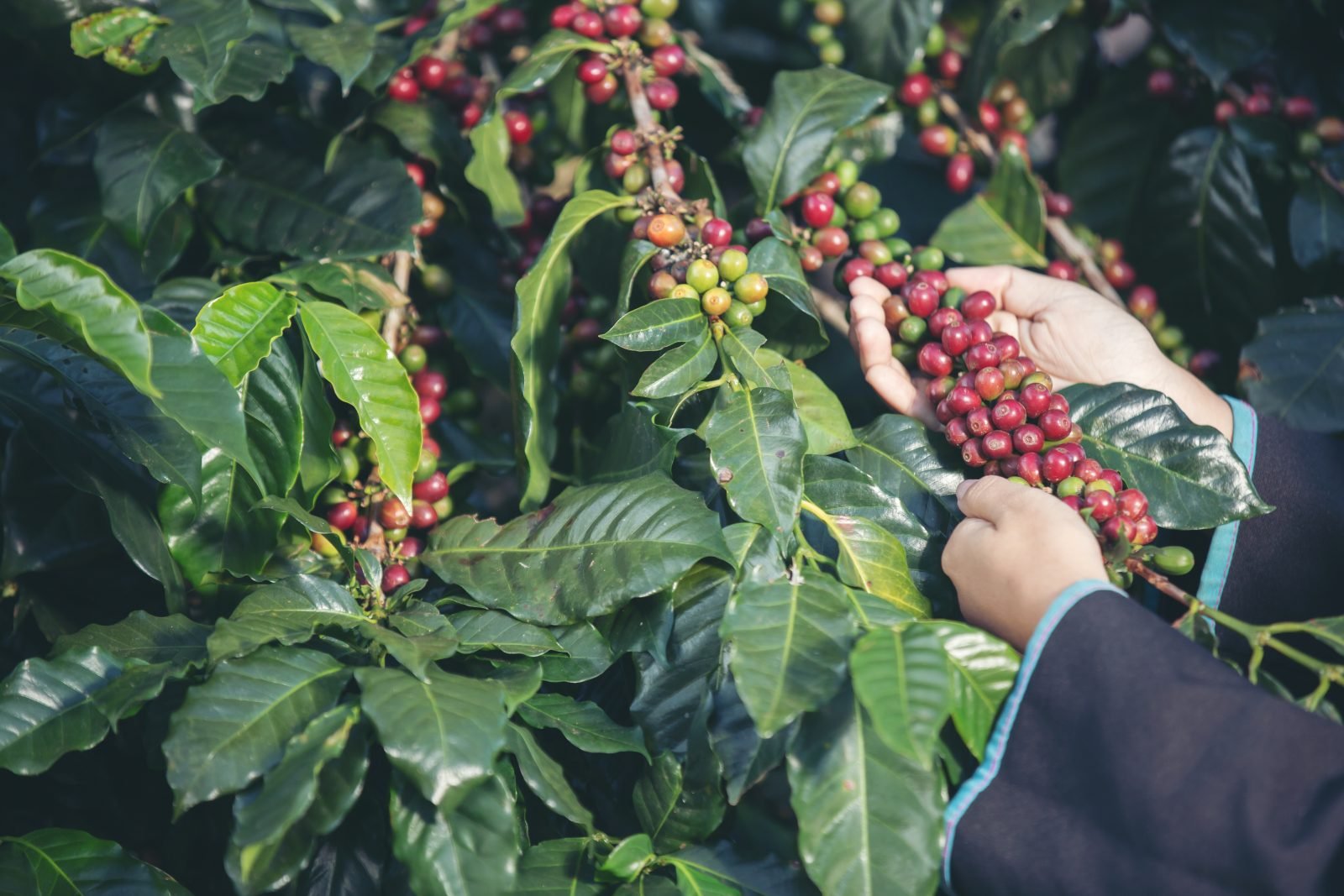
    Harvesting Methods and the Importance of Selective Picking : To achieve optimal flavour development, coffee cherries are plucked selectively at the peak of ripeness. Selective picking entails hand-picking just ripe cherries, as unripe or overripe cherries might degrade the quality of the beans. This painstaking process necessitates specialized labour and helps to the exceptional flavour of speciality coffees.

    Also Read: Exploring the Regions Where Coffee Beans Grow Best

    Processing and Preparation

    The Different Processing Methods: Washed, Natural, Honey

    • Washed (Wet) Processing:
      The most frequent and commonly used approach is washed processing. The coffee cherries are sorted and de-pulped after harvesting to remove the outer skin. The residual mucilage (sticky layer) is washed mechanically or fermentatively by washing the beans. As a result, the beans are clean and vibrant. They are then either sun-dried on patios or dried mechanically. Coffees with washed processing often have stronger acidity, clearer flavours, and a lighter body.
    • Natural (Dry) Processing:
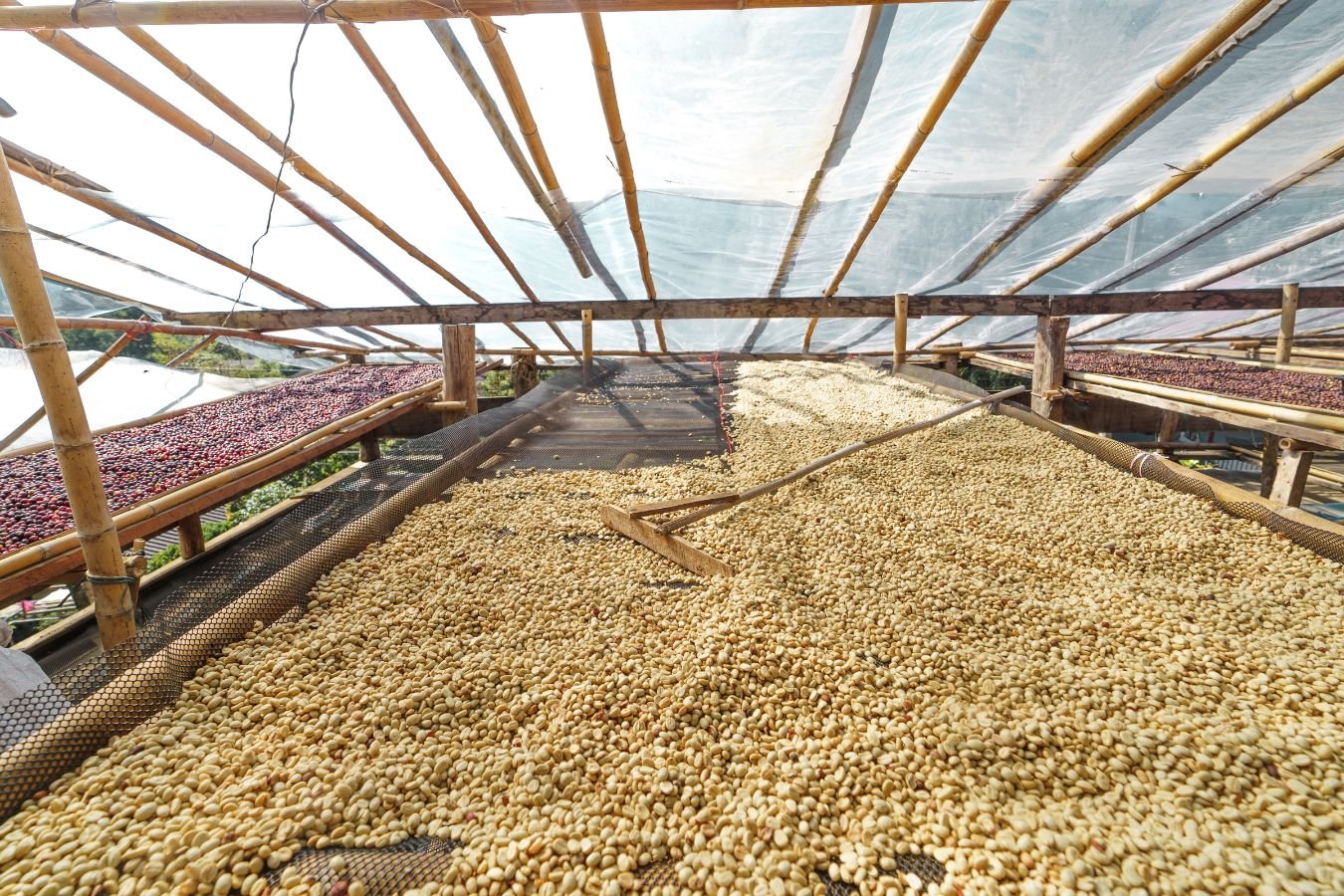
      The oldest and most traditional type of coffee processing is natural processing, often known as dry processing. The ripe coffee cherries are spread out on raised beds or patios to dry, with the fruit remaining intact after harvesting. The cherries are tossed frequently during drying to prevent mould or fermentation. The outer skin and flesh of the dried cherries are removed to reveal the coffee beans. Natural processing frequently gives stronger fruit aromas to the coffee, resulting in a fuller body, lower acidity, and a distinct sweetness.
    • Honey Processing:
      Honey processing, also known as pulped natural processing, incorporates both washed and natural processing features. The outer skin of the coffee cherries is removed after harvesting (depulping), but a part of the sticky mucilage is purposefully left on the beans. After that, the mucilage-covered beans are dried either on patios or in mechanical dryers. The term “honey processing” refers to the golden tint of the mucilage, which resembles honey. The amount of mucilage on the beans varies, resulting in varying degrees of sweetness and flavour complexity. Coffees with honey processing might have a medium body, balanced acidity, and distinct fruity or floral flavours.

    Depulping and Fermentation Stages

    The outer skin and pulp of the coffee cherry are mechanically removed during the depulping process. After depulping, the beans are fermented and steeped in water to eliminate any leftover mucilage. The period of fermentation influences the flavour development of the beans.

    Drying and Sorting the Raw Coffee Beans

    Once fermented, the beans are dried to reduce moisture content. This can be done using natural sun-drying methods or mechanical dryers. Proper drying is crucial to prevent mold or moisture-related defects. After drying, the raw coffee beans are sorted based on size, shape, and quality to ensure uniformity and consistency.

    Raw coffee beans

    Quality Control Measures During Processing

    Strict quality control methods are applied throughout the processing steps to ensure the integrity of the raw coffee beans. This includes regular sampling and cupping to examine the sensory characteristics of the beans and identify any abnormalities. Only the finest beans get to the next stages of the coffee journey, thanks to quality control.

    Also Read: The Timeline and History of Coffee in Indonesia

    Conclusion

    The journey of raw coffee beans from farm to cup encompasses cultivation, harvesting, processing, and brewing, showcasing the meticulous efforts invested in creating a delightful coffee experience.

    By gaining insights into the intricacies of coffee production, readers can develop a profound appreciation for the craftsmanship and dedication of coffee farmers, processors, and brewers.

    The enchanting path of raw coffee beans invites coffee enthusiasts to savor the flavors, explore brewing techniques, and foster a deeper connection with the beverage they cherish. Embracing the journey from farm to cup enriches the coffee-drinking experience and fuels a lifelong passion for the world of coffee.

  • Pruning VS Stumping: Why Coffee Farmers Use Different Methods

    Pruning VS Stumping: Why Coffee Farmers Use Different Methods

    Pruning and Stumping

    Coffee trees require regular maintenance, such as pruning and stumping. Regular maintenance is important for tall plants to keep the trees healthy and the yields abundant. Do you know the differences between pruning and stumping and why farmers adopt one or another?

    The Importance of Pruning and Stumping for Coffee Trees

    Pruning and Stumping Coffee Plantation

    Coffee trees are pruned to increase productivity and make harvesting fruits easier. When coffee trees grow tall and bushy, the air and light cannot reach all parts of the plants. It will prevent all the branches and leaves from getting enough energy to produce fruits and flowers. The problem gets exacerbated when coffee trees grow older and bushier.

    Diseases, molds, and pests are major risks for coffee trees that are not pruned or stumped. Without maintenance, parts of the trees will become moist and deprived of light, a perfect breeding ground for pests.

    Finally, pruning and stumping help extend coffee plants’ production as they age. The combination of natural depletion, aging, and phytosanitary problems may affect the yield, but pruning and stumping keep your coffee plants productive a little longer.

    Also Read: From Trees to Your Cup: 3 Types of Coffee Processing Methods

    Techniques of Pruning and Stumping

    Before learning about the differences between pruning and stumping, remember that coffee-producing regions worldwide may use different techniques. Various factors determine the decision to pick a technique, such as the production age, varieties, plantation density, environmental conditions, and risk factors of diseases and pests.

    Pruning

    Coffee Tree After Pruning
    Coffee Tree After Pruning

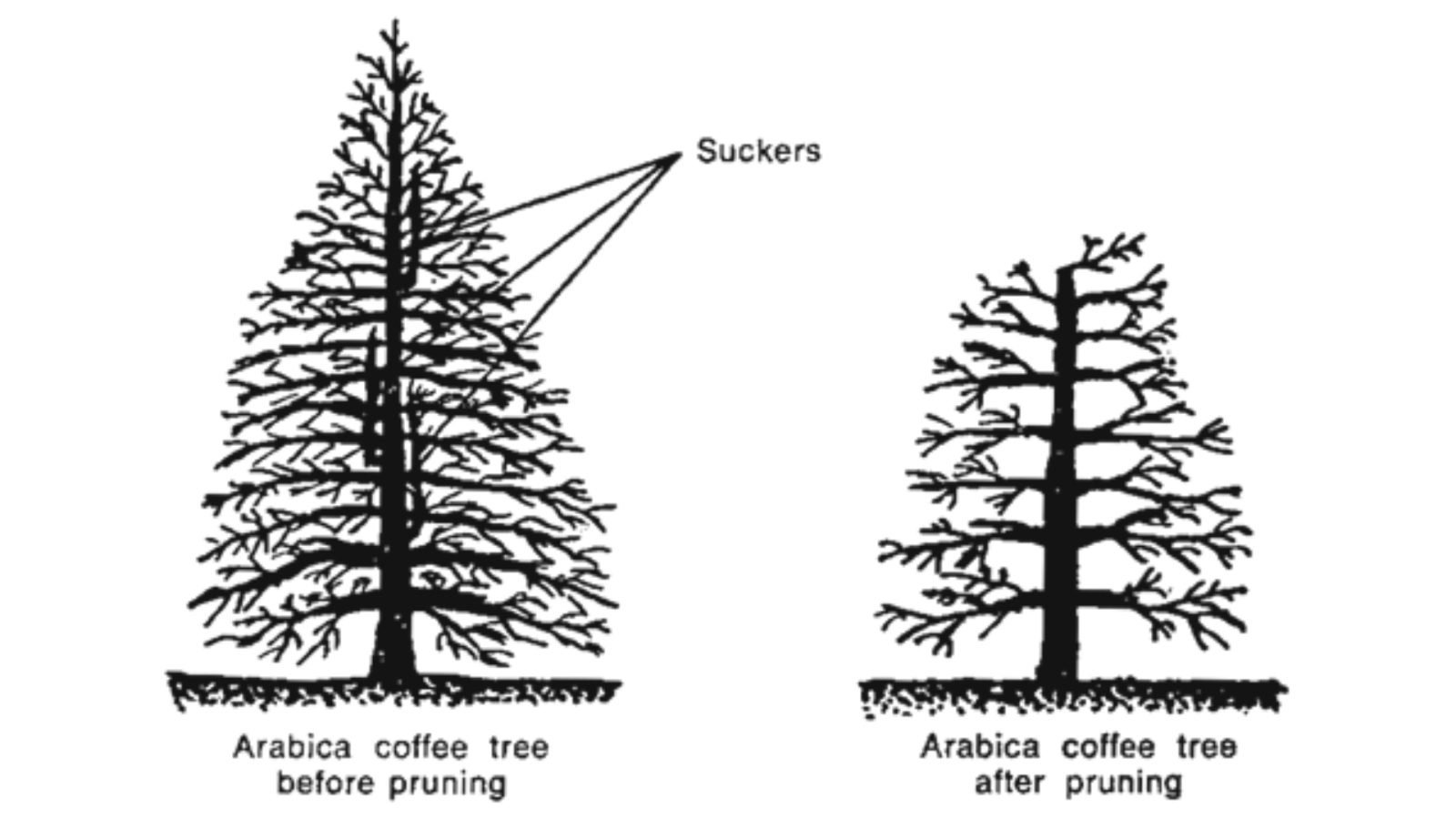
    Pruning means cutting some of the unnecessary branches until the coffee plants reach the desired size and shape. This method reduces the plant’s thickness, allowing air and light to reach all parts and removing the diseased or damaged branches.

    There are three types of pruning performed on coffee plants. They are:

    1. Topping 

    Topping occurs when the coffee plants are about two years old or younger and continues as regular maintenance. The goal is to keep them from getting too tall or growing overly thick stems. 

    2. Bending Pruning

    Bending pruning is done on plants younger than four years old but experiencing diseases. The plant is bent at a 45-degree angle and tied to a stake before being pruned close to the ground. This method encourages the growth of new, healthy sprouts.

    3. High Pruning

    High pruning is a method applied to coffee trees that already experience a decline in their yields (compared to the previous years). However, this is only performed on coffee trees still in productive years.

    Another pruning method is pinching, which is usually done after stumping. When you see new sprouts growing from the cleared stems, check to pick the ones that grow most vigorously. Pick four or five best sprouts, and remove the others. A month afterward, pick the best two or three sprouts and repeat the removal process. This way, the main sprouts will be supported by the remnants of the secondary ones, which you had removed.

    Also Read: Exploring the Regions Where Coffee Beans Grow Best

    Stumping

    Coffee Tree After Stumping
    Coffee Tree After Stumping

    If pruning is a form of regular maintenance, stumping is an aggressive method performed on old or heavily infested trees.

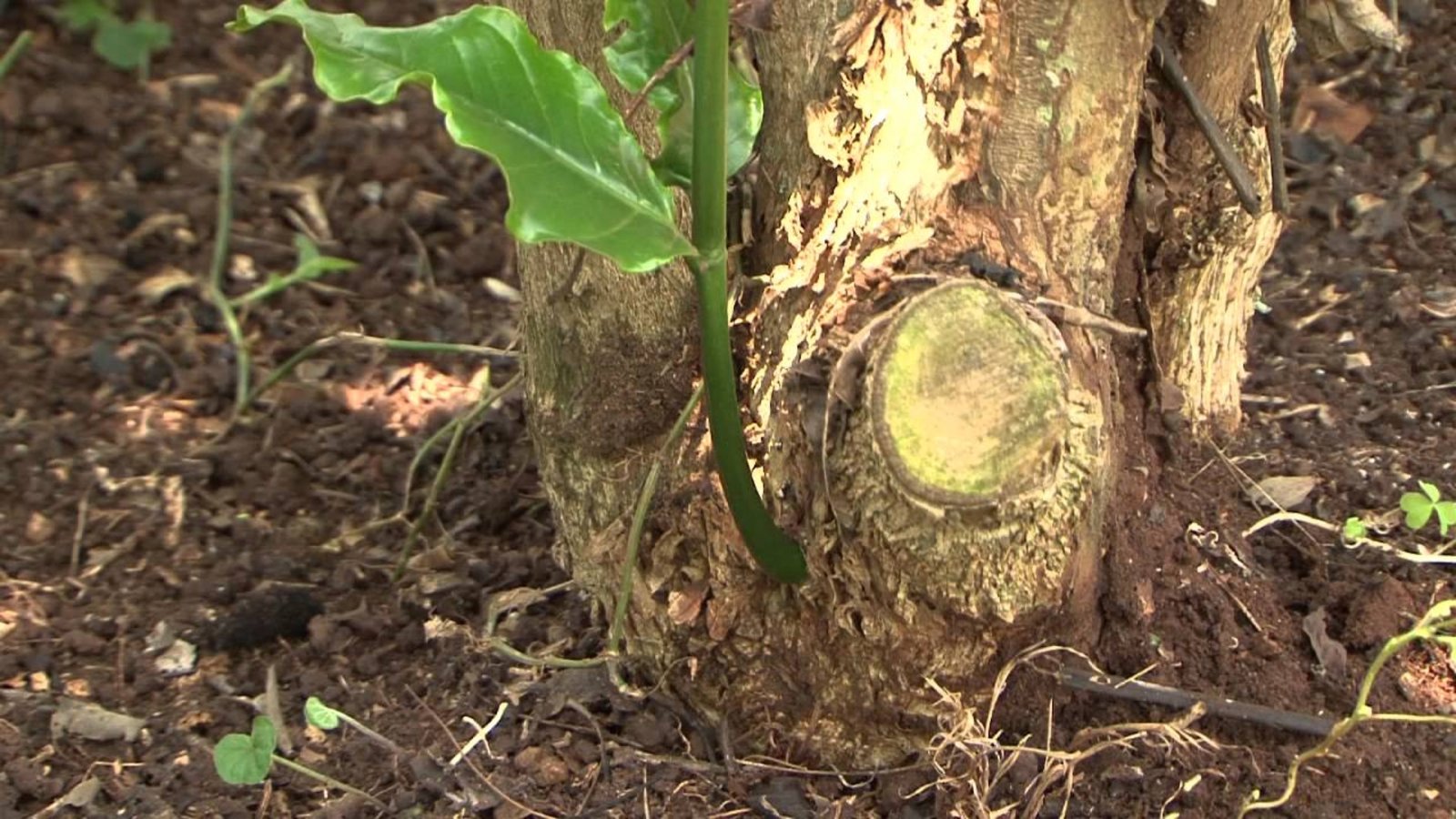
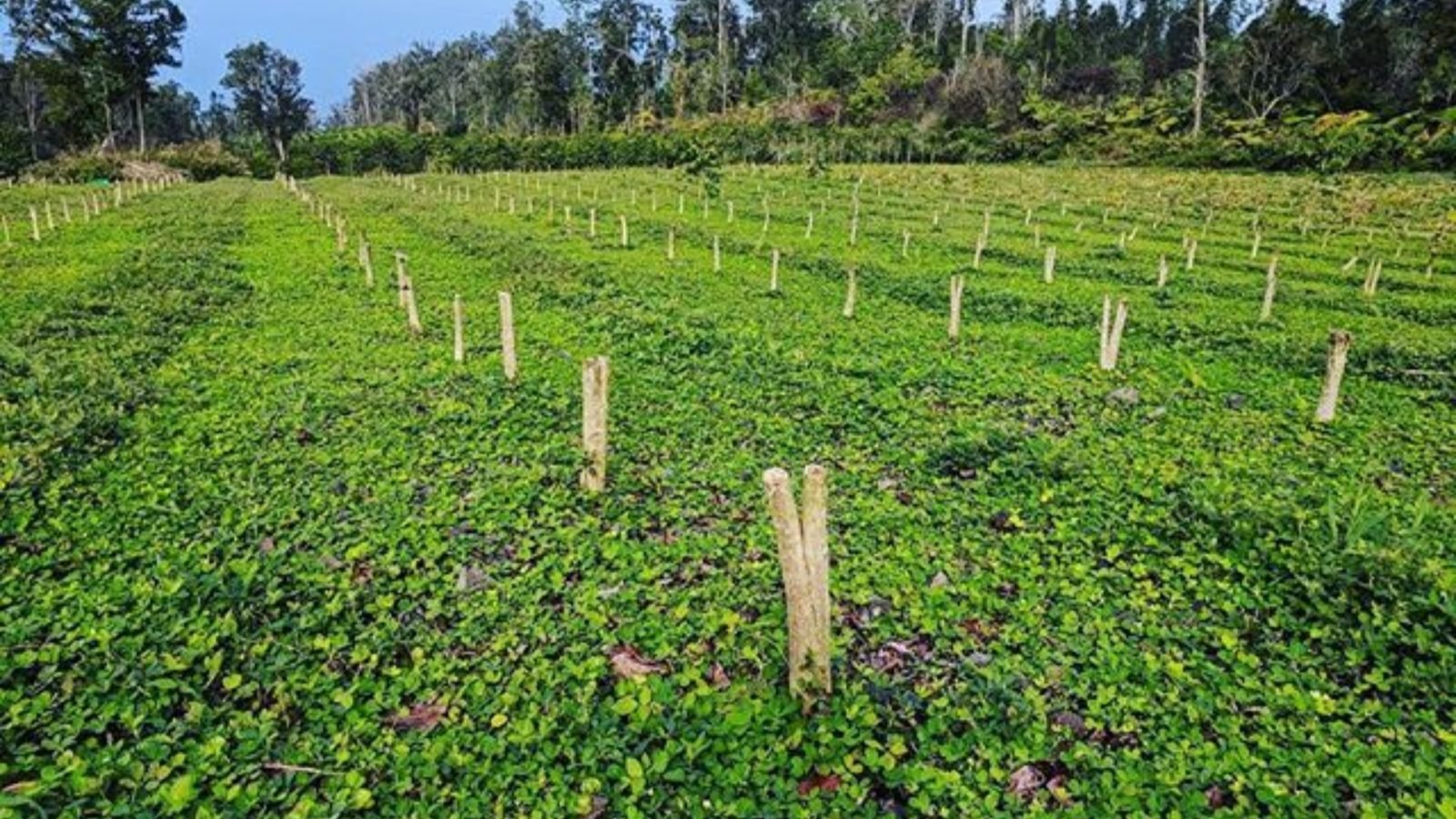
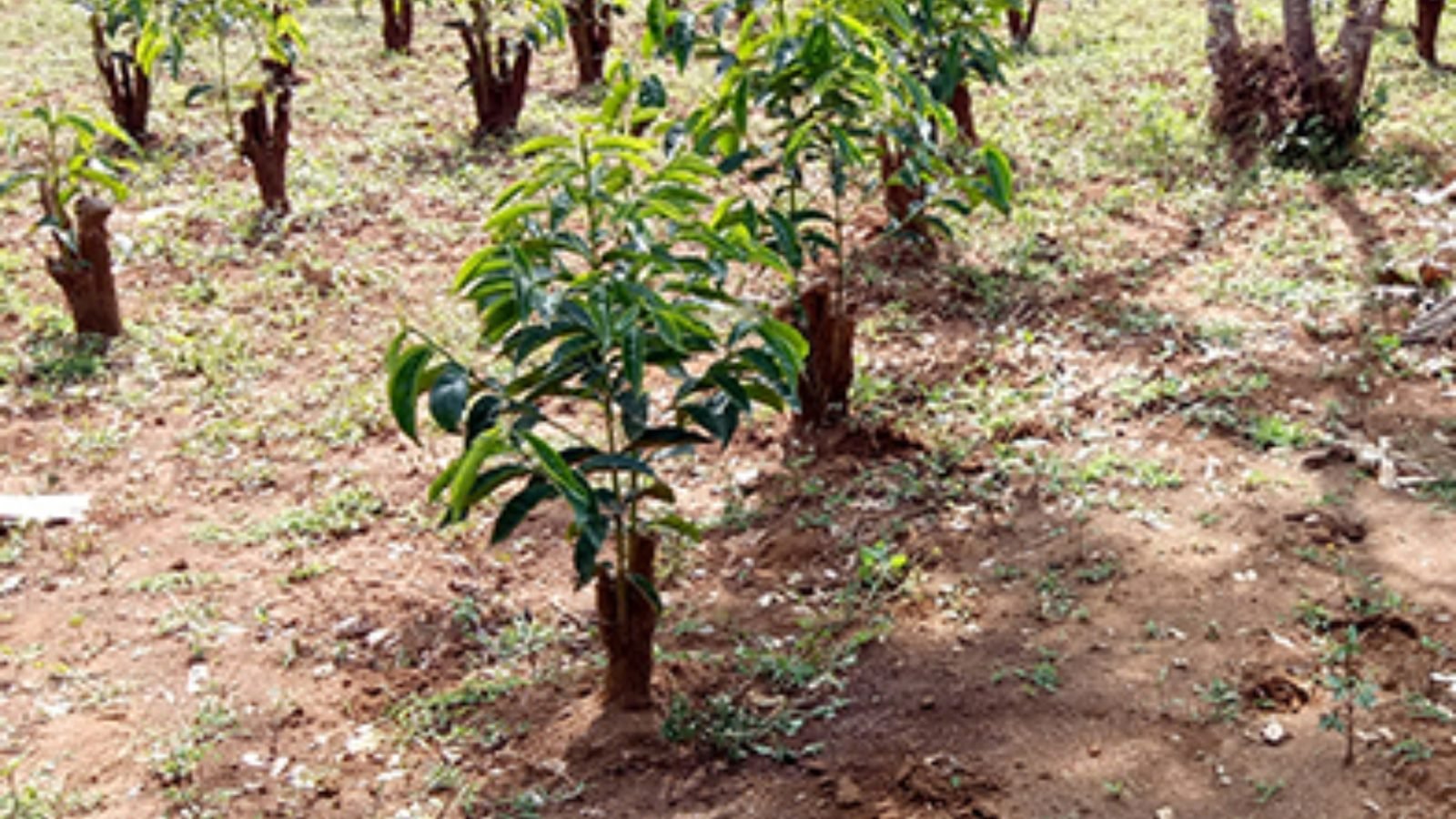
    With stumping, farmers cut the stems around 20 to 30 cm above the ground, stripping the stems off the branches. This method is used to encourage the regenerative period. If the stumping is done correctly, farmers can wait for two years before the stumped trees start producing flowers and fruits again.

    Depending on the tree’s condition and height, farmers sometimes leave a few stems. However, any stumping method must include careful cutting, ensuring that the remaining trees still have the nutrients they need to grow.

    To achieve the best stumping method without depleting the trees of nutrients, farmers must make a clean, oblique cut without leaving any cavity. Ensure all the stumping tools are sharp so each cut will be clean. If the trees are infected, burn all the diseased branches after stumping them and disinfect them carefully.

    When is the Right Time for Pruning and Stumping?

    Farmers must schedule pruning and stumping at different times depending on when they planted the trees. However, the ideal time for the actual pruning and stumping is after harvest, during cold weather.

    The trees will not grow sprout by pruning/stumping during this time. Since farmers will not harvest anything that grows from the trees during this time, there will be no risks of diseases or fungal infections.

    Conclusion

    In the end, there are no identical methods when scheduling pruning and stumping methods. Different plantations and coffee plants may require specific schedules based on their cultivations, plant types and ages, and the producers’ goals. Coffee producers must create long-term maintenance plans tailored to their plants. This way, the plants are healthy, and the yields are abundant.

    High-quality coffee producers understand the differences between pruning and stumping and work to create long-term plans for these maintenance plans. You can see the result by ordering coffee beans from FnB.co.id, a coffee exporter based in Indonesia. Working with the best coffee producers, FnB offers only the most prestigious beans, the results of excellent cultivation and maintenance.