document.documentElement.classList.add("cf-on");'; return; } ?>

Blog

  • Exploring the Rich Aromas and Flavors of Indonesian Ground Coffee

    Exploring the Rich Aromas and Flavors of Indonesian Ground Coffee

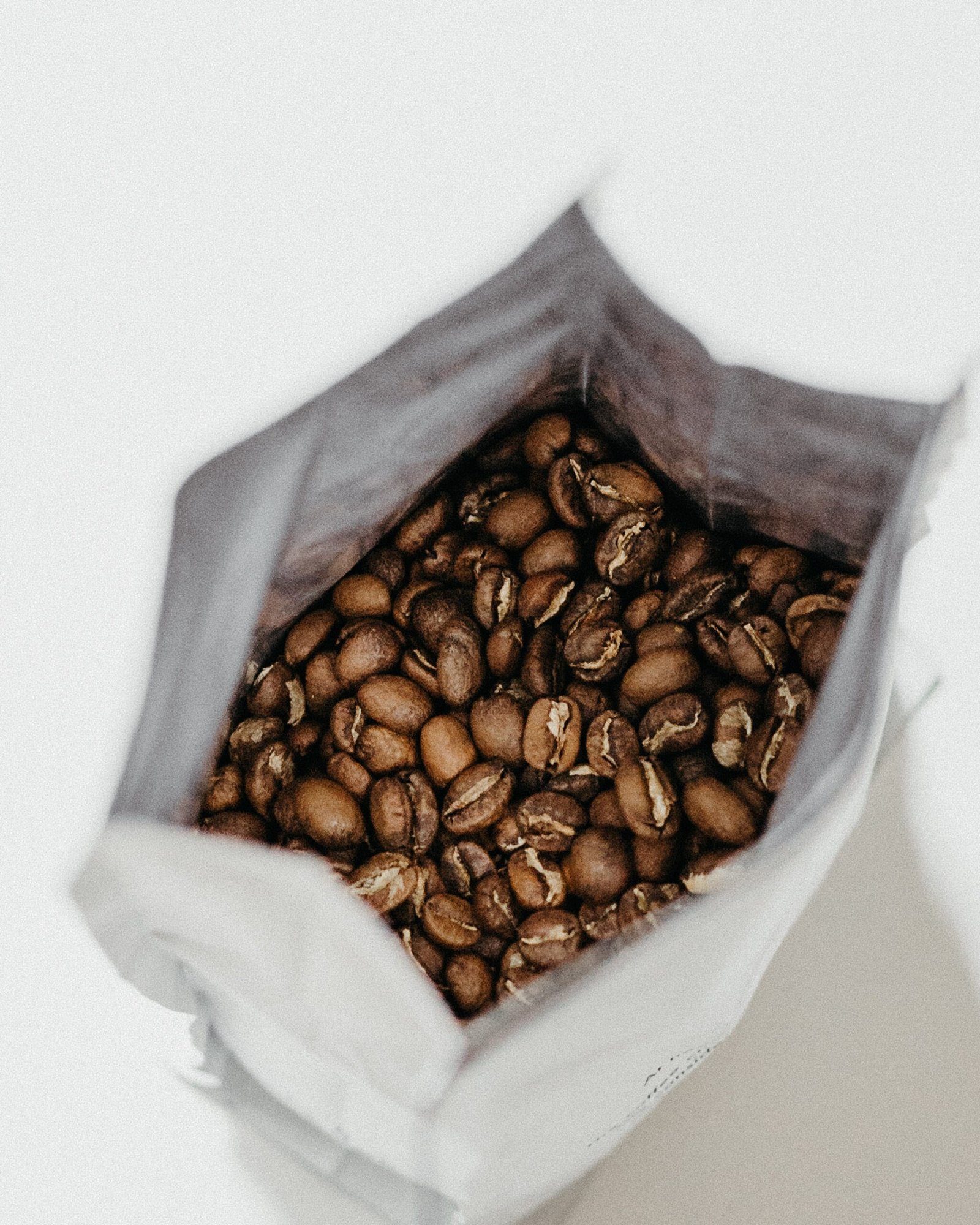
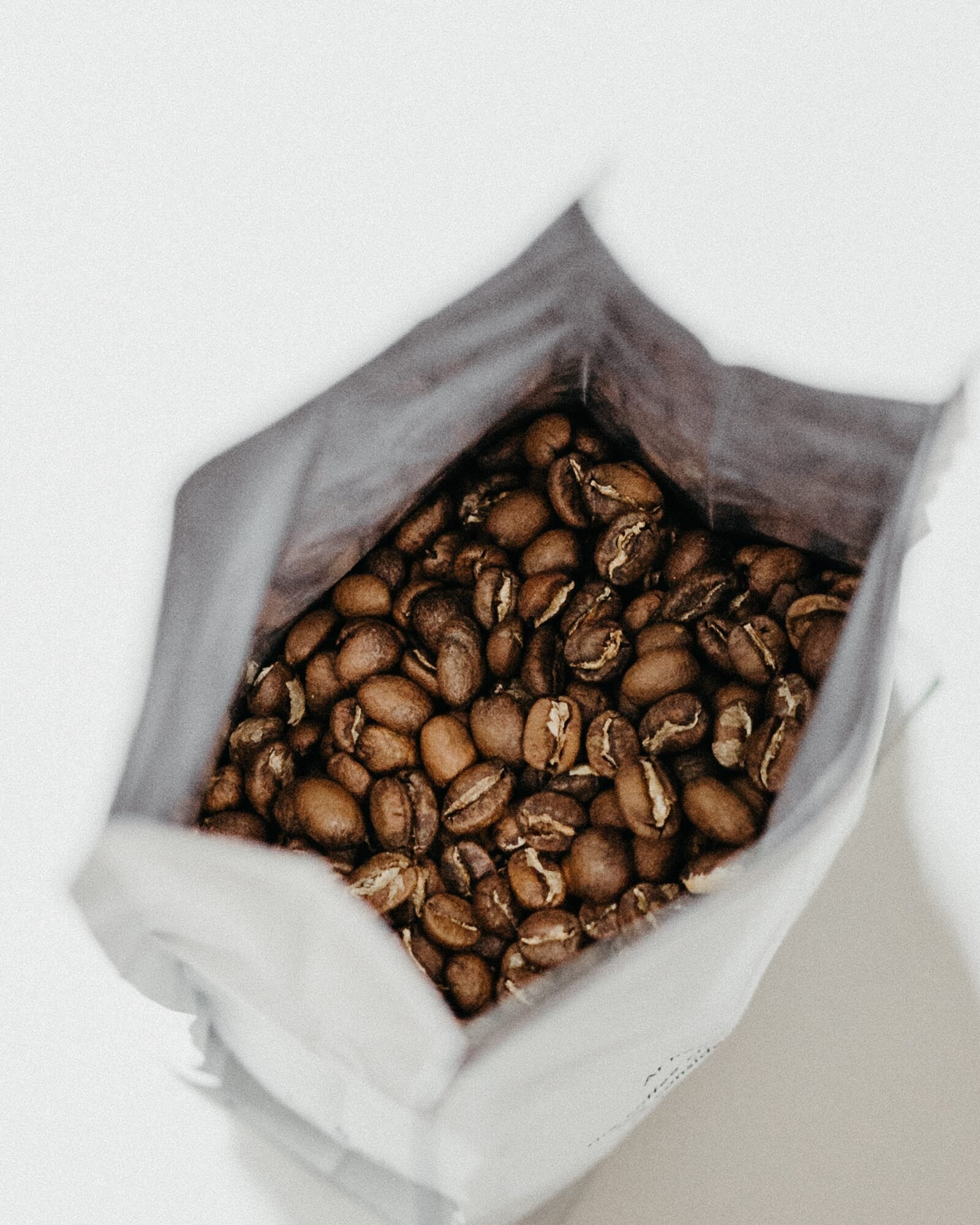
    Indonesian Ground Coffee, a country renowned for its diverse landscapes and vibrant cultures, is also celebrated for its exceptional coffee. Among the myriad coffee varieties produced in this archipelagic nation, Indonesian ground coffee stands out for its unique flavors, distinct characteristics, and traditional cultivation methods. In this comprehensive exploration, we delve into the world of Indonesian ground coffee, uncovering its origins, processing techniques, popular varieties, and the cultural significance that makes it a global favorite.

    Geographical Diversity and Ideal Growing Conditions

    Indonesia’s sprawling geography provides an ideal environment for cultivating high-quality coffee. The archipelago’s volcanic soil, coupled with a tropical climate, contributes to the distinct flavors found in Indonesian coffee beans. The regions of Sumatra, Java, Bali, Sulawesi, and Flores are particularly known for their coffee plantations, each offering a different nuance to the final brew.

    Varieties of Indonesian Coffee Beans

    a. Sumatra Mandheling: One of the most famous Indonesian coffee varieties, Sumatra Mandheling, hails from the volcanic slopes of Sumatra. Known for its full-bodied and earthy flavor profile, this coffee often exhibits low acidity with hints of chocolate and herbal notes. The wet-hulling processing method used in Sumatra enhances the unique characteristics of this coffee.

    b. Java Arabica: Java, an island synonymous with coffee production, produces Arabica beans with a mild yet complex taste. The gradual ripening of coffee cherries on the slopes of Java’s volcanic mountains imparts a well-balanced acidity and a pleasant, slightly spicy finish to the coffee.

    c. Bali Kintamani: Grown in the highlands of Bali, Kintamani coffee is characterized by its bright acidity and fruity undertones. The volcanic soil of Mount Batur contributes to the unique flavor profile, making it a favorite among coffee enthusiasts who appreciate a lighter, more citrusy brew.

    d. Toraja Sulawesi: Hailing from the mountainous region of Toraja in Sulawesi, this coffee is renowned for its full body, low acidity, and complex flavor notes. The beans are often processed using the wet-hulling method, resulting in a distinctive cup with hints of spice and a lingering aftertaste.

    e. Flores Bajawa Ngura: Flores, an island in eastern Indonesia, produces the Bajawa Ngura coffee with a medium body and vibrant acidity. The beans are typically grown at high altitudes, contributing to their unique flavor profile characterized by floral and fruity notes.

    Traditional Cultivation and Processing Methods

    a. Wet-Hulling (Giling Basah): A traditional Indonesian coffee processing method, wet-hulling involves harvesting coffee cherries and removing the outer skin before the beans fully dry. This unique method is prevalent in Sumatra and Sulawesi, imparting a distinctive flavor and boldness to the coffee.

    b. Dry Processing: In contrast, some Indonesian regions, such as Java and Bali, utilize the dry processing method. The coffee cherries are sun-dried with the outer skin intact, allowing the beans to absorb the fruity flavors of the pulp, resulting in a sweeter and more nuanced cup.

    Flavor Profiles and Aromas

    Indonesian ground coffee boasts a wide range of flavor profiles, influenced by factors such as the region of cultivation, processing method, and altitude. Common tasting notes include earthiness, spice, chocolate, citrus, and floral undertones. The complex aromas and rich flavors make Indonesian coffee a favorite choice for those seeking a truly unique and memorable coffee experience.

    Indonesian Coffee Culture

    Coffee holds a special place in Indonesian culture, symbolizing hospitality and social bonding. The traditional coffee ceremony, known as “kopi tubruk,” involves brewing coffee with sugar in a special pot and serving it in small cups. This ritual is a reflection of the warmth and generosity ingrained in Indonesian hospitality.

    Sustainability and Fair Trade Practices

    In recent years, there has been a growing emphasis on sustainability and fair trade practices in the Indonesian coffee industry. Many farmers and cooperatives are adopting environmentally friendly cultivation methods, ensuring fair wages for workers, and promoting ethical business practices. These initiatives not only benefit local communities but also contribute to the global demand for responsibly sourced coffee.

    Indonesian Ground Coffee in the Global Market

    The popularity of Indonesian ground coffee has soared in the global market, with coffee enthusiasts and connoisseurs appreciating its unique flavors and exotic profiles. The global demand for specialty coffee has opened up new opportunities for Indonesian coffee producers, leading to increased recognition on the international stage.

    Whether it’s the traditional kopi tubruk or modern brewing methods like pour-over, French press, or espresso, Indonesian ground coffee adapts well to various brewing techniques. The versatility of these beans allows coffee enthusiasts to experiment and discover the best brewing method that suits their taste preferences.

    Challenges and Opportunities for the Indonesian Coffee Industry

    Despite its success, the Indonesian coffee industry faces challenges such as climate change, pests, and market fluctuations. However, innovative approaches, sustainable farming practices, and increased awareness about the uniqueness of Indonesian coffee present opportunities for growth and resilience.

    Conclusion

    Indonesian ground coffee, with its diverse varieties, unique processing methods, and rich cultural significance, offers a captivating journey for coffee enthusiasts. From the volcanic slopes of Sumatra to the highlands of Bali, each cup tells a story of tradition, craftsmanship, and the natural beauty of Indonesia. As global appreciation for specialty coffee continues to rise, Indonesian ground coffee stands as a testament to the country’s contribution to the world of coffee, inviting all to savor the rich aromas and flavors of this unique and exotic brew.


  • Civet Coffee Review:the Exquisite Brew from the Mysterious Civet Cat

    Civet Coffee Review, also known as kopi luwak, is a unique and highly sought-after coffee variety that stands out in the world of specialty coffees. What sets civet coffee apart is its unconventional production process, involving the digestion and fermentation of coffee cherries by the civet cat. In this comprehensive review, we delve into the origins, production, flavor profile, ethical considerations, and overall experience of civet coffee.

    The Origins of Civet Coffee Review


    Civet coffee traces its roots to the coffee-producing regions of Southeast Asia, with Indonesia, Vietnam, the Philippines, and Ethiopia being notable sources. The civet cat, a small mammal found in these regions, plays a crucial role in the production of this unique coffee. The process begins with the civet cat selectively consuming ripe coffee cherries, digesting the fruit pulp, and excreting the coffee beans. These beans are then collected, thoroughly cleaned, and processed to create civet coffee.

    The Production Process Civet Coffee Review


    The intricate production process of civet coffee contributes to its rarity and exclusivity. The civet cat’s digestive enzymes ferment the coffee beans during their passage through the animal’s digestive tract. This fermentation process is believed to alter the beans’ composition, resulting in a distinctive flavor profile. After collection, the beans are meticulously cleaned, roasted, and ground to produce the final coffee product.

    Flavor Profile Civet Coffee Review


    Civet coffee is renowned for its unique flavor characteristics, often described as smooth, less acidic, and possessing a complex aroma. The fermentation process is believed to impart a distinctive taste to the beans, creating a coffee experience that is unlike any other. The flavor profile may include hints of chocolate, caramel, and even fruity notes, making civet coffee a gourmet delight for coffee connoisseurs.

    The Experience of Civet Coffee Review


    Drinking luwak coffee is not merely a beverage experience; it is a journey into the extraordinary. The aroma that wafts from a freshly brewed cup of civet coffee is rich and enticing. The smoothness of the coffee, coupled with its unique flavor profile, creates a sensory adventure for the palate. Civet coffee enthusiasts often describe the experience as unparalleled, making it a coveted choice for those seeking a truly exceptional cup of coffee.

    Ethical Considerations Civet Coffee Review


    While civet coffee is celebrated for its exceptional qualities, there are ethical concerns surrounding its production. In some cases, civet cats are kept in captivity, force-fed coffee cherries, and subjected to poor living conditions. This raises questions about the ethical treatment of animals and sustainability in civet coffee production. Consumers interested in civet coffee should seek products that adhere to ethical and sustainable practices, ensuring the well-being of the civet cats involved in the production process.


    Several brands in the market offer civet coffee, each with its unique approach to sourcing, production, and ethical considerations. Some brands prioritize fair treatment of civet cats and sustainable practices, appealing to consumers who are conscious of ethical issues. Market trends indicate a growing interest in civet coffee, with specialty coffee shops and online retailers catering to a niche audience seeking this exceptional brew.

    Civet Coffee Review: A Status Symbol


    Civet coffee’s exclusivity and rarity contribute to its status as a luxury item in the world of coffee. The limited production, unique flavor profile, and the intricate process involved in its creation make civet coffee a symbol of sophistication and discernment. As a result, it is often sought after by coffee enthusiasts, collectors, and those who appreciate the finer things in life.

    How to Brew the Perfect Cup of Civet Coffee Review


    Brewing civet coffee requires attention to detail to ensure that the unique flavors are preserved. The following steps can guide you in brewing the perfect cup of civet coffee:

    Choose Quality Beans: Start with high-quality civet coffee beans from a reputable source.

    Grind Just Before Brewing: Grind the beans just before brewing to preserve the freshness and aroma.

    Use Filtered Water: Use clean and filtered water to avoid any impurities that may affect the coffee’s taste.

    Control Brewing Temperature: Maintain an optimal brewing temperature, usually between 195-205°F (90-96°C).

    Brewing Time: Experiment with brewing times to find the right balance that suits your taste preferences.

    Enjoy Black: To fully appreciate the unique flavors of civet coffee, consider drinking it black without any additives.

    Conclusion


    In conclusion, civet coffee stands out as a rare and exceptional coffee variety that captures the imagination of coffee enthusiasts worldwide. Its unique production process, distinctive flavor profile, and status as a luxury item contribute to its allure. However, it is crucial for consumers to be mindful of ethical considerations and choose civet coffee products that prioritize the well-being of civet cats and adhere to sustainable practices. As you embark on the journey of experiencing civet coffee, savor the richness of its flavors and appreciate the craftsmanship behind this extraordinary brew.

  • A Comprehensive Guide to Luwak Coffee Shop

    A Comprehensive Guide to Luwak Coffee Shop

    Luwak Coffee Shop, also known as civet coffee, is a unique and exotic beverage that has captured the attention of coffee enthusiasts worldwide. The fascinating process of producing luwak coffee involves civets, small mammals native to tropical regions, selectively eating ripe coffee cherries and later excreting the beans. These beans are then collected, cleaned, and processed to create one of the most sought-after and expensive coffees globally. In this comprehensive guide, we will delve into the captivating world of luwak coffee, focusing on the enchanting experience offered by luwak coffee shops.

    Understanding Luwak Coffee:

    Luwak coffee is renowned for its smooth, low-acidic, and unique flavor profile, attributed to the fermentation process that occurs in the civet’s digestive tract. The beans retrieved from the feces are thoroughly cleaned, fermented, dried, roasted, and ground to produce a luxurious coffee experience. The rarity of luwak coffee, coupled with its distinctive taste, has made it a delicacy enjoyed by connoisseurs around the globe.

    The Luwak Coffee Shop Experience:

    Historical Perspective:


    Luwak coffee has a rich history rooted in various coffee-producing regions, such as Indonesia, Vietnam, and the Philippines. Luwak coffee shops often showcase this history, providing visitors with insights into the traditional methods of harvesting, processing, and brewing luwak coffee.

    Farm Tours:


    Many luwak coffee shops offer farm tours that allow visitors to witness the entire coffee production process firsthand. These tours typically include visits to coffee plantations, where civets roam freely, and guests can observe the selection of ripe coffee cherries by these fascinating creatures.

    Coffee Tasting Sessions:


    Luwak coffee shops provide an opportunity for visitors to indulge in guided coffee tasting sessions. Knowledgeable staff guide patrons through the nuances of luwak coffee, explaining the flavor profile, aroma, and mouthfeel of different varieties. This hands-on experience enhances the appreciation for the intricate craftsmanship involved in producing this exclusive beverage.

    Café Atmosphere:


    Luwak coffee shops often boast charming and serene settings, creating a perfect ambiance for enjoying a cup of this rare brew. The décor is thoughtfully designed to reflect the natural and cultural elements of the region, providing a relaxing and immersive experience for coffee enthusiasts.

    Exclusive Coffee Varieties:


    In addition to the signature luwak coffee, these establishments often offer a range of other exotic and locally sourced coffee varieties. Visitors can explore different brewing methods and flavor profiles, expanding their palate and understanding of the diverse world of coffee.

    Educational Workshops:


    To further enrich the visitor experience, luwak coffee shops frequently host educational workshops. These sessions cover topics such as coffee cultivation, processing techniques, and the importance of sustainable and ethical practices in the coffee industry.

    Souvenir Shops:


    Luwak coffee shops often feature souvenir shops where visitors can purchase freshly roasted luwak coffee beans, unique coffee-related merchandise, and traditional crafts. These souvenirs serve as reminders of the memorable visit to a luwak coffee plantation.

    Culinary Experiences:


    Some luwak coffee shops extend their offerings beyond beverages, incorporating luwak coffee into culinary delights. From luwak coffee-infused desserts to savory dishes, these establishments showcase the versatility of this exceptional coffee in gastronomy.

    Benefits of Visiting Luwak Coffee Shops:

    Supporting Sustainable Practices:


    By visiting luwak coffee shops, patrons contribute to the promotion of sustainable and ethical coffee production. Many establishments prioritize responsible farming practices, ensuring the well-being of civets and maintaining the ecological balance of coffee plantations.

    Cultural Immersion:


    Luwak coffee shops often serve as cultural hubs, providing visitors with a deeper understanding of the local traditions, customs, and folklore associated with coffee cultivation. This cultural immersion adds an extra layer of significance to the overall experience.

    Community Engagement:


    These establishments frequently collaborate with local communities, creating economic opportunities and fostering a sense of community pride. The symbiotic relationship between luwak coffee shops and the surrounding communities contributes to the overall sustainability of the region.

    Conclusion:

    In conclusion, a visit to a luwak coffee shop is not merely a chance to savor a rare and exquisite beverage; it is a holistic experience that combines the elements of history, culture, and sustainability. From the captivating farm tours to the delightful coffee tasting sessions, luwak coffee shops offer a unique journey into the world of civet coffee. By patronizing these establishments, coffee enthusiasts not only indulge in a luxurious coffee experience but also actively contribute to the preservation of traditional practices and the well-being of local communities. So, for those seeking a truly enchanting coffee adventure, a visit to a luwak coffee shop is an absolute must.

  • the Finest Coffee:the Wonders of Nearest Luwak Coffee

    the Finest Coffee:the Wonders of Nearest Luwak Coffee

    Nearest Luwak Coffee, enthusiasts are always on the lookout for unique and exceptional flavors that tantalize the taste buds. One such gem in the coffee realm is Nearest Luwak Coffee, renowned for its distinctive production process and unparalleled taste. In this comprehensive guide, we will delve into the origins, production methods, and the unparalleled sensory experience offered by the nearest Luwak coffee.

    Unveiling the Origins

    Historical Roots:

    Nearest Luwak Coffee traces its roots to the lush coffee plantations of Indonesia. The origins can be traced back to the indigenous civet cat, known as Luwak, which plays a crucial role in the unique production process. Indonesia’s fertile soils and tropical climate provide the perfect conditions for growing high-quality coffee beans.

    The Luwak Connection:

    The distinctive aspect of Nearest Luwak Coffee lies in the involvement of the Luwak in the coffee production process. These small mammals are known to consume ripe coffee cherries, digest the pulp, and excrete the beans. The enzymes in the Luwak’s digestive system alter the composition of the beans, resulting in a unique flavor profile for the coffee.

    The Production Process

    Harvesting the Coffee Cherries:

    The journey of Nearest Luwak Coffee begins with the careful selection of ripe coffee cherries. Farmers meticulously handpick the cherries to ensure only the highest quality ones are chosen for production.

    The Luwak’s Contribution:

    After harvesting, the coffee cherries are fed to the Luwaks. The digestive enzymes in the Luwak’s stomach alter the proteins in the beans, leading to a smoother and less acidic taste. The beans are then excreted, collected, and thoroughly cleaned before further processing.

    Washing and Fermentation:

    Following collection, the coffee beans go through a meticulous washing process to remove any remaining residues. They are then left to ferment, allowing the unique flavor compounds to develop. This fermentation stage is a crucial step in achieving the distinct taste associated with Nearest Luwak Coffee.

    Drying and Roasting:

    Once fermented, the beans are laid out to dry under the sun. This natural drying process enhances the flavor complexity. Subsequently, the beans undergo roasting, a step that requires precision to preserve the unique characteristics developed during fermentation.

    Characteristics

    Flavor Profile:

    Nearest Luwak Coffee is celebrated for its complex flavor profile. The digestive enzymes in the Luwak’s stomach impart a smooth and less acidic taste to the coffee. The brew is often described as rich, full-bodied, with subtle earthy undertones and hints of chocolate. This distinctive combination creates a sensory experience like no other.

    Aroma and Fragrance:

    The aroma of Nearest Luwak Coffee is a delightful blend of earthy notes and a subtle sweetness. The fragrance is often described as inviting, with a unique character that sets it apart from conventionally produced coffees.

    Sustainability and Ethical Practices

    Environmental Impact:

    Sustainability is a key consideration in the production of Nearest Luwak Coffee. Plantations often implement environmentally friendly practices to minimize their ecological footprint. This includes organic farming methods, waste management, and conservation efforts to protect the natural habitat of the Luwak.

    Ethical Treatment of Luwaks:

    Concerns have been raised regarding the ethical treatment of Luwaks in some coffee plantations. Ethical producers prioritize the well-being of these animals, ensuring they are kept in natural habitats, receive proper nutrition, and are not subjected to force-feeding. Ethical practices contribute to the overall quality and authenticity of Nearest Luwak Coffee.

    Where to Find Nearest Luwak Coffee

    Indonesia – The Epicenter:

    Indonesia, particularly Sumatra, Java, and Bali, stands as the epicenter of production. Visitors to these regions can explore coffee plantations, witness the unique production process, and indulge in the finest brews.

    Specialty Coffee Shops:

    Nearest Luwak Coffee has gained international acclaim, and specialty coffee shops worldwide often feature it on their menus. These establishments source their beans from reputable producers, ensuring a premium and authentic Nearest Luwak Coffee experience.

    Brewing Nearest Luwak Coffee at Home

    Selecting the Right Beans:

    When brewing Nearest Luwak Coffee at home, it’s crucial to start with high-quality beans. Look for reputable suppliers or specialty coffee shops that provide authentic and ethically sourced Nearest Luwak Coffee beans.

    Optimal Brewing Methods:

    To fully appreciate the unique characteristics of Nearest Luwak Coffee, consider using brewing methods that highlight its smoothness and complexity. Methods such as pour-over, French press, or espresso can accentuate the distinct flavors.

    Serving and Pairing:

    a best enjoyed in its pure form, but experimenting with different pairings can enhance the overall experience. Consider pairing it with dark chocolate, nuts, or pastries to complement its rich and nuanced flavor profile.

    Conclusion:

    In conclusion, Nearest Luwak Coffee stands as a testament to the artistry and innovation within the world of coffee production. From its origins with the Luwak in the lush landscapes of Indonesia to the meticulous production process and unique flavor profile, Nearest Luwak Coffee offers a one-of-a-kind sensory experience. Whether enjoyed at the source in Indonesia or savored in specialty coffee shops around the world, this exceptional brew continues to captivate the palates of coffee connoisseurs and curious enthusiasts alike.

  • The Rich Tapestry of Flavor: Exploring Indonesia Best Coffee Powder

    The Rich Tapestry of Flavor: Exploring Indonesia Best Coffee Powder

    Indonesia Best Coffee Powder, an archipelago nestled in Southeast Asia, is renowned for its breathtaking landscapes, vibrant cultures, and, notably, its exceptional coffee. The country boasts a diverse range of coffee varieties, each with its unique flavor profile, grown across its numerous islands. In this comprehensive guide, we delve into the world of Indonesia’s best coffee powder, exploring the key regions, the meticulous production process, and the distinctive characteristics that make these coffees stand out on the global stage.

    Diverse Coffee Regions in Indonesia: A Journey Through Flavor

    Indonesia is home to several coffee-producing regions, each contributing to the country’s rich coffee tapestry. Among the prominent regions are Sumatra, Java, Sulawesi, Bali, and Papua. These regions benefit from the country’s fertile volcanic soil, high altitudes, and tropical climates, providing an ideal environment for coffee cultivation.

    Sumatra: Earthy and Full-Bodied

    Sumatra, known for its Mandheling and Gayo beans, offers a unique flavor experience characterized by earthy undertones and a full-bodied profile. The wet-hulling method employed by local farmers contributes to the distinctive taste, setting Sumatra coffee apart in the global market.

    Java: A Heritage of Excellence

    Java, steeped in coffee history, produces beans with a well-balanced flavor, often exhibiting a subtle acidity. The island’s Arabica and Robusta varieties thrive in the volcanic soil, delivering a cup of coffee that reflects the legacy of Java’s coffee cultivation.

    Sulawesi: Rich and Complex

    Sulawesi, formerly known as Celebes, is renowned for its Toraja coffee. With a rich and complex flavor profile, Toraja beans are often characterized by herbal notes, a velvety body, and a hint of fruitiness. The meticulous processing methods employed by local farmers contribute to Sulawesi’s reputation for high-quality coffee.

    Bali: Unique Varietals and Sustainability

    Bali, in addition to its picturesque landscapes, offers unique coffee varietals such as Kintamani. The island’s commitment to sustainable farming practices enhances the overall quality of its coffee, with flavors ranging from citrusy and floral to spicy and vibrant.

    Papua: Exotic and Wild

    Papua, the easternmost region of Indonesia, introduces exotic and wild coffee varieties. The coffee from Papua often features bright acidity, a full body, and notes of tropical fruits, making it a distinct and sought-after choice for coffee enthusiasts.

    The Art of Coffee Cultivation: From Bean to Cup

    The journey of Indonesia Best Coffee Powder begins with the meticulous cultivation and processing methods employed by local farmers. Understanding this intricate process sheds light on the unparalleled quality and flavor that define Indonesian coffee.

    Harvesting and Sorting: Precision in Selection

    The Indonesia Best Coffee Powder cherries are carefully harvested by hand to ensure only the ripest cherries are selected. This labor-intensive process is essential for maintaining the high quality of the beans.

    Processing Methods: A Unique Approach

    Indonesia Best Coffee Powder is known for its distinct processing methods, such as wet-hulling. This method involves removing the parchment from the beans while they still contain a significant amount of moisture. The result is a bold and full-bodied cup of coffee, exemplified by Sumatra’s Mandheling beans.

    Drying: Sun-Kissed Perfection Indonesia Best Coffee Powder

    After the wet-hulling process, the beans are spread out to dry in the tropical sun. This step contributes to the unique flavors and characteristics of Indonesian coffee, allowing the beans to absorb the essence of their surroundings.

    Roasting: Crafting the Perfect Profile

    The roasting process is a crucial element in unlocking the full potential of Indonesia Best Coffee Powder beans. Roasters carefully determine the optimal roast profile for each variety, highlighting the nuanced flavors and preserving the inherent qualities of the beans.

    Indonesia’s Best Coffee Powder: A Tasting Journey

    To truly appreciate the excellence of Indonesia’s best coffee powder, one must embark on a sensory journey, exploring the distinct flavors and aromas that each region has to offer.

    Flavor Profiles: From Earthy to Fruity

    Sumatra’s coffee powder, with its earthy and robust character, showcases notes of cedar, chocolate, and a lingering herbal finish. Java’s well-balanced cup exhibits a medium body with hints of nuttiness and a subtle acidity. Sulawesi’s Toraja beans, on the other hand, deliver a complex flavor profile with notes of spice, fruit, and a velvety texture.

    Aromatic Delights: Capturing the Essence

    The aromatic profile of Indonesia’s best coffee powder is equally captivating. The beans emanate a fragrance that ranges from earthy and woody to floral and fruity, enticing coffee connoisseurs with every whiff.

    The Rising Global Demand: Indonesia Best Coffee Powder on the World Stage

    Indonesia Best Coffee Powder In recent years, the demand for Indonesia’s best coffee powder has witnessed a significant uptick on the global stage. The unique flavor profiles, sustainable farming practices, and the country’s commitment to quality have positioned Indonesian coffee as a premium choice for discerning coffee enthusiasts.

    The global coffee market is increasingly embracing diversity in flavors, and Indonesian coffee, with its unique characteristics, has become a standout choice. As consumers seek more than just a caffeine fix, the intricate flavors and profiles of Indonesian coffee offer a distinctive and satisfying experience.

    Sustainability: A Key Factor Indonesia Best Coffee Powder

    The growing emphasis on sustainable and ethically sourced products has further propelled the popularity of Indonesian coffee. Many coffee plantations in Indonesia prioritize eco-friendly practices, ensuring that the cultivation process is both environmentally conscious and socially responsible.

    Indonesia Best Coffee Powder: Keywords and Conclusion

    In conclusion, Indonesia’s best coffee powder stands as a testament to the country’s rich coffee heritage, diverse landscapes, and commitment to quality. The keywords associated with this exploration—Sumatra, Java, Sulawesi, Bali, Papua, wet-hulling, harvesting, processing, drying, roasting, flavor profiles, and sustainability—reflect the multifaceted nature of Indonesian coffee and the intricacies that contribute to its exceptional quality. As global appreciation for unique and premium coffee experiences continues to rise, Indonesia’s best coffee powder is poised to play an increasingly prominent role in the world of specialty coffee.

  • Exploring the Rich Aroma and Flavor of Lampung Ground Coffee

    Exploring the Rich Aroma and Flavor of Lampung Ground Coffee

    Lampung Ground Coffee, a province on the southern tip of Sumatra in Indonesia, is renowned for its diverse landscapes, rich culture, and, notably, its exceptional coffee. Among the various coffee varieties produced in Lampung, Lampung ground coffee stands out as a true gem, captivating coffee enthusiasts with its unique flavor profile, meticulous processing methods, and the region’s distinctive terroir.

    I. Lampung Coffee Heritage:

    A. Coffee Cultivation in Lampung:


    Lampung’s conducive climate and fertile soil make it an ideal region for coffee cultivation. The coffee plantations in Lampung, situated on highland areas, benefit from the perfect combination of altitude, rainfall, and temperature, creating an environment conducive to growing high-quality Arabica and Robusta coffee beans.

    B. Coffee Varieties:


    Lampung is home to both Arabica and Robusta coffee varieties, each offering distinct characteristics. Arabica beans are known for their mild acidity and complex flavors, while Robusta beans boast a full-bodied taste with a robust and earthy undertone. Lampung ground coffee often combines these varieties to achieve a well-balanced and flavorful blend.

    II. Lampung Ground Coffee Processing:

    A. Harvesting:


    The process of creating Lampung ground coffee begins with meticulous harvesting. Skilled farmers handpick the ripe coffee cherries, ensuring that only the highest-quality beans are selected for further processing. This attention to detail at the harvesting stage contributes significantly to the final cup’s flavor.

    B. Wet Processing:


    Lampung ground coffee typically undergoes wet processing, a method that involves pulping the coffee cherries to extract the beans. The beans are then fermented to remove the mucilage before being washed and dried. This method enhances the coffee’s brightness and acidity, producing a clean and well-defined flavor profile.

    C. Dry Processing:


    In some instances, Lampung ground coffee may undergo dry processing, a traditional method where the cherries are dried before the beans are extracted. This approach imparts unique fruity and wine-like notes to the coffee, adding depth and complexity to its flavor.

    III. Flavor Profile of Lampung Ground Coffee:

    A. Aroma:


    Lampung ground coffee is celebrated for its captivating aroma. The beans emanate a rich, enticing fragrance that combines floral, fruity, and earthy notes. The aroma sets the stage for a sensory experience that begins the moment the coffee is ground, promising a delightful cup ahead.

    B. Taste:


    The taste of Lampung ground coffee is a harmonious blend of flavors that varies based on the coffee varieties used and the processing methods applied. Coffee enthusiasts can expect a well-balanced cup with hints of chocolate, nutty undertones, and a subtle acidity that adds brightness to the overall profile.

    C. Body and Mouthfeel:


    Lampung ground coffee exhibits a medium to full body, providing a satisfying mouthfeel. The careful combination of Arabica and Robusta beans contributes to the coffee’s smooth texture, making it an enjoyable experience for those who appreciate a well-rounded cup.

    IV. Cultural Significance:

    A. Coffee in Lampung’s Tradition:


    Coffee holds cultural significance in Lampung, playing a central role in social gatherings and rituals. The art of coffee preparation is passed down through generations, fostering a deep connection between the community and its cherished beverage.

    B. Coffee as a Social Catalyst:


    Lampung ground coffee serves as a catalyst for social interactions, bringing people together to share stories, ideas, and laughter. The traditional coffee ceremonies in Lampung highlight the communal nature of coffee consumption, emphasizing its role in fostering unity and connection.

    V. Lampung Ground Coffee in the Global Market:

    A. Specialty Coffee Recognition:


    Lampung ground coffee has gained recognition in the global specialty coffee market. Its unique flavor profile, coupled with sustainable and ethical production practices, has positioned Lampung as a key player in the international coffee scene.

    B. Awards and Accolades:


    Lampung ground coffee has received numerous awards and accolades, further solidifying its reputation for excellence. The recognition from prestigious coffee competitions highlights the dedication of Lampung’s coffee producers to quality and innovation.

    VI. Sustainable Practices:

    A. Environmental Stewardship:


    Lampung’s coffee producers are increasingly adopting sustainable and eco-friendly practices. From agroforestry initiatives to organic farming methods, the region is committed to preserving its natural resources while producing high-quality coffee beans.

    B. Fair Trade and Ethical Sourcing:


    Lampung ground coffee is often sourced through fair trade practices, ensuring that farmers receive fair compensation for their labor. Ethical sourcing initiatives contribute to the well-being of local communities and promote a sustainable coffee industry.

    Conclusion:

    Lampung ground coffee stands as a testament to the rich heritage, meticulous craftsmanship, and vibrant culture of the Lampung province in Indonesia. From the fertile highlands where coffee cherries flourish to the careful hands that harvest and process them, every step in the production of Lampung ground coffee reflects a commitment to quality and tradition. As the global appreciation for specialty coffee continues to grow, Lampung ground coffee is poised to captivate the taste buds of discerning coffee connoisseurs, offering a sensory journey into the heart of Indonesian coffee culture.

  • the Rich Essence of Aceh Ground Coffee: A Culinary Journey into Indonesia’s Finest Brew

    the Rich Essence of Aceh Ground Coffee: A Culinary Journey into Indonesia’s Finest Brew

    Aceh Ground Coffee, with its vast archipelago and diverse cultures, has long been celebrated as a haven for coffee enthusiasts. Among the plethora of exquisite coffee varieties that emerge from this tropical paradise, Aceh Ground Coffee stands out as a true gem, offering a unique and captivating flavor profile that reflects the rich heritage of the Aceh region. In this exploration, we delve into the origins, cultivation methods, and distinctive qualities of Aceh Ground Coffee, showcasing why it has become a beloved choice for coffee connoisseurs worldwide.

    Aceh’s Unique Coffee Heritage

    Nestled on the northern tip of Sumatra, the Aceh region boasts a captivating landscape of lush highlands and fertile valleys. Aceh’s elevation, coupled with its proximity to the equator, creates an ideal microclimate for cultivating high-quality Arabica coffee beans. The history of coffee in Aceh dates back centuries, and today, the region stands as one of Indonesia’s leading coffee producers.

    Aceh Ground Coffee: The Art of Cultivation

    Aceh Ground Coffee owes its exceptional quality to meticulous cultivation practices employed by local farmers. The fertile volcanic soil, combined with the ideal altitude, contributes to the unique characteristics of Aceh coffee beans. Farmers in Aceh predominantly cultivate Arabica coffee, known for its nuanced flavors and aromatic qualities.

    The cultivation process begins with selecting the finest coffee varietals and nurturing them in nurseries until they are ready for transplantation. Aceh’s coffee plantations are often situated on the slopes of the region’s mountainous terrain, where the beans benefit from optimal sunlight and well-drained soil. The meticulous care invested in each coffee plant is evident in the rich flavors that develop during the growing process.

    Harvesting and Processing

    Aceh Ground Coffee undergoes a careful harvesting process to ensure that only ripe coffee cherries are picked. This labor-intensive process is often done by hand, emphasizing the commitment of Aceh’s coffee farmers to quality. The cherries are then meticulously processed to extract the coffee beans within.

    The two primary methods of processing Aceh coffee beans are the dry and wet methods. The dry method involves sun-drying the cherries before extracting the beans, imparting a distinct fruity and full-bodied flavor to the coffee. In contrast, the wet method includes fermenting the cherries before extracting the beans, resulting in a cleaner and brighter cup profile.

    Flavor Profile of Aceh Ground Coffee

    The hallmark of Aceh Ground Coffee lies in its distinctive flavor profile. A well-brewed cup of Aceh coffee unveils a harmonious balance of earthy tones, complemented by hints of dark chocolate and a subtle fruity sweetness. The medium to full body of Aceh coffee provides a satisfying richness, while its low acidity contributes to a smooth and lingering finish. Coffee enthusiasts often appreciate the complexity and depth that Aceh Ground Coffee brings to the palate, making it a sought-after choice for those who relish a premium coffee experience.

    Sustainable Practices and Community Impact

    Beyond its exceptional taste, Aceh Ground Coffee embodies a commitment to sustainability and community well-being. Many coffee farmers in Aceh adhere to environmentally friendly and organic farming practices, minimizing the use of synthetic pesticides and fertilizers. Additionally, various initiatives promote fair trade practices, ensuring that farmers receive fair compensation for their hard work.

    The cultivation of Aceh Ground Coffee significantly contributes to the economic development of the region. By empowering local farmers and fostering sustainable practices, the coffee industry becomes a catalyst for positive change within Aceh’s communities.

    Brewing Aceh Ground Coffee: A Ritual of Flavor

    Brewing Aceh Ground Coffee is an art form in itself, allowing enthusiasts to unlock the full spectrum of its flavors. Whether using a traditional pour-over method, a French press, or an espresso machine, the key lies in balancing the grind size, water temperature, and brew time. Aceh coffee’s versatility lends itself well to various brewing techniques, offering a personalized experience for every coffee lover.

    For a true Aceh coffee experience, consider the traditional “kopi tubruk” method. This involves boiling finely ground coffee with sugar in a special pot called a “tubruk pot,” resulting in a robust and sweetened brew that encapsulates the essence of Aceh’s coffee culture.

    Aceh Ground Coffee in the Global Market

    In recent years, Aceh Ground Coffee has gained recognition on the global stage, with specialty coffee shops and roasters showcasing its unique qualities. The distinctiveness of Aceh coffee appeals to a growing market of discerning consumers who seek more than just a caffeine fix – they crave an authentic and memorable coffee experience.

    The international acclaim for Aceh Ground Coffee has opened doors for collaborations between local farmers and global coffee enthusiasts. This exchange not only promotes cultural appreciation but also creates economic opportunities for Aceh’s coffee-producing communities.

    Conclusion

    Aceh Ground Coffee, with its rich heritage, meticulous cultivation, and distinctive flavor profile, stands as a testament to Indonesia’s prowess in the world of coffee. From the fertile soils of Aceh to the cups of coffee aficionados worldwide, the journey of Aceh coffee is one of passion, tradition, and exceptional taste. As we savor each cup, we not only partake in a delightful sensory experience but also contribute to the sustainable development of Aceh’s vibrant coffee industry. Indeed, Aceh Ground Coffee is more than a beverage; it is a celebration of culture, community, and the artistry of brewing that transcends borders and captivates the hearts of coffee lovers around the globe.

  • Exploring the Richness of Sumatran Ground Coffee: A Comprehensive Guide

    Exploring the Richness of Sumatran Ground Coffee: A Comprehensive Guide

    Sumatran ground coffee holds a special place in the world of coffee enthusiasts, renowned for its unique flavor profile, rich history, and distinctive production methods. In this comprehensive guide, we will delve into the origins, cultivation, processing techniques, flavor characteristics, and brewing recommendations of Sumatran ground coffee. As we explore the nuances of this aromatic beverage, the term “Sumatran ground coffee” will be consistently woven into the narrative to enhance its SEO visibility.

    I. Origins and Geography Sumatran ground coffee:

    Sumatra, the largest island in Indonesia, is home to some of the world’s most sought-after coffee beans. The region’s high altitudes, volcanic soil, and tropical climate create an ideal environment for cultivating Arabica and Robusta coffee varieties. The prominent coffee-growing regions in Sumatra include Aceh, Gayo, Mandheling, and Lintong.

    Sumatran ground coffee is characterized by its unique terroir, which imparts distinct flavors and aromas to the beans. The volcanic soil of the region contributes to the coffee’s earthy undertones, while the high-altitude plantations enhance its acidity and complexity.

    II. Varieties of Sumatran Coffee:

    A. Mandheling:

    Mandheling coffee, grown in the west-central region of Sumatra, is renowned for its full body, low acidity, and a complex flavor profile. The beans are often processed using the wet-hulled method, contributing to the coffee’s signature earthiness and syrupy consistency.

    B. Gayo:

    Gayo coffee, cultivated in the Aceh region, is celebrated for its vibrant acidity, herbal notes, and wine-like characteristics. The combination of high-altitude cultivation and traditional processing methods lends Gayo coffee a distinctive flavor that stands out among other Sumatran varieties.

    C. Lintong:

    Lintong coffee hails from the Lintong Nihuta region, and it is known for its medium body, bright acidity, and herbal nuances. The beans are typically grown at elevations ranging from 2,500 to 5,000 feet, contributing to the coffee’s well-balanced flavor profile.

    III. Processing Methods:

    Sumatran ground coffee undergoes unique processing methods that significantly influence its final taste. The two primary methods employed are:

    A. Wet-Hulled Process:

    This method, commonly used in Sumatra, involves pulping the coffee cherries, fermenting them briefly, and then removing the mucilage before drying. The beans are typically hulled when they still have a high moisture content, resulting in a distinctive flavor profile with earthy and savory notes.

    B. Dry Process:

    In the dry process, the whole coffee cherries are laid out in the sun to dry, allowing the beans to absorb the flavors from the fruit. This method enhances the body of the coffee and imparts fruity and wine-like notes. While less common in Sumatra, some producers opt for the dry process to create unique variations of Sumatran ground coffee.

    IV. Flavor Characteristics:

    Sumatran ground coffee is celebrated for its bold and complex flavor profile, encompassing a range of taste sensations. Key characteristics include:

    A. Earthy Undertones:

    The volcanic soil of Sumatra imparts a distinct earthiness to the coffee, creating a robust and grounded flavor that appeals to those seeking a full-bodied cup.

    B. Herbal Notes:

    Certain Sumatran varieties, such as Gayo and Lintong, exhibit herbal nuances that add layers of complexity to the overall flavor profile.

    C. Low Acidity:

    Compared to coffees from other regions, Sumatran coffee is often characterized by low acidity, providing a smooth and mellow drinking experience.

    D. Syrupy Body:

    The wet-hulled processing method contributes to the coffee’s syrupy consistency, giving it a velvety mouthfeel that enhances the overall drinking experience.

    E. Chocolate and Tobacco Undertones:

    Some Sumatran coffees showcase subtle hints of chocolate and tobacco, adding depth and sophistication to the flavor profile.

    V. Brewing Recommendations:

    To fully appreciate the unique characteristics of Sumatran ground coffee, it’s essential to choose brewing methods that complement its flavor profile. Consider the following recommendations:

    A. French Press:

    The French press allows the coffee’s robust flavors and rich body to shine, providing a full-bodied and immersive experience.

    B. Pour-Over:

    For those who appreciate a cleaner and more nuanced cup, a pour-over method can highlight the herbal notes and subtle complexities of Sumatran coffee.

    C. Espresso:

    Sumatran coffee can also be enjoyed as espresso, with its low acidity and bold flavor providing a unique twist on traditional espresso profiles.

    Conclusion:

    Sumatran ground coffee stands out as a true gem in the world of specialty coffee, offering a captivating journey through its origins, varieties, processing methods, flavor characteristics, and brewing recommendations. Whether you savor the earthy richness of Mandheling, the vibrant acidity of Gayo, or the balanced tones of Lintong, Sumatran coffee is a testament to the diverse and unique flavors that coffee enthusiasts can explore and enjoy. Embrace the allure of Sumatran ground coffee and elevate your coffee experience with each sip of this exceptional brew.