
document.documentElement.classList.add("cf-on");'; return; } ?>

Blog

  • Decaf and Patented: Secret of Swiss Water Process Decaf Coffee

    Decaf and Patented: Secret of Swiss Water Process Decaf Coffee

    Swiss Water Process Decaf Coffee

    When you hear “decaf coffee”, you probably think “caffeine-free”, but no! According to European regulations on coffee, decaffeinated coffee should contain no more than 0.3 percent in coffee extracts and 0.1 percent in green beans. Therefore, a cup of decaf may still contain 2 to 7 mg of caffeine, compared to 70 to 140 mg in a regular one.

    Some people avoid decaf coffee because of its presumably “weird” flavor. However, a product like Swiss Water process decaf coffee proves that you can enjoy decaf without losing the goodness of regular coffee.

    What is Swiss Water Process Decaf Coffee?

    Swiss Water is a decaffeinating process that combines Green Coffee Extract (GCE) and water without any chemicals. This method differs from the common decaffeinating method, which uses chemicals like methylene chloride and ethyl acetate.

    History of Swiss Water Process Decaf Coffee

    The Swiss Water method was born the world’s only non-chemical decaffeinating method in 1933 Switzerland. The goal was to create decaf coffee that did not leave a strange aftertaste in the mouth, a big no in Switzerland’s coffee culture. This method is so specific it is now patented.

    One major risk of a chemical-free process is inconsistencies in each processed coffee batch. Therefore, decaf coffee companies that use this method, such as Swiss Water, ensure they provide certifications, such as the Certificate of Analysis, FSSC22000, and certificates from the CFIA and FDA.

    Baca juga: Rainforest Alliance Certified Coffee, What Is It and Why Important?

    The Swiss Water Decaf Process

    Making Swiss Water decaf coffee involves long, multiple stages that mostly use water, GCE, and carbon filtration in the facility. The GCE combines water-soluble solids in green coffee (except caffeine) and filtered water. 

    How Swiss Water Process Decaf Works

    swiss water process decaf coffee

    Here are the main stages in the Swiss Water method:

    1. Soaking the Beans

    During the preparation, all the green beans are soaked in filtered water. It removes all the unwanted chaff and dust and increases moisture levels.

    2. Adding the GCE

    The soaked beans are introduced to the GCE and left for about eight to ten hours. The caffeine imbalance will slowly make the caffeine in the green beans move into GCE by diffusion.

    3. Drying and Bagging

    Once the caffeine is removed, the green beans are removed to be dried. They are then bagged and shipped to buyers and roasters worldwide.

    What about the trapped caffeine in the GCE? Once the beans are removed, the GCE will pass the carbon filtration system. It will trap the caffeine, which will later be burned in the furnace.

    Advantages over Other Decaffeination Methods

    Decaf coffee is important for people with low caffeine tolerance. Consuming “decaf coffee” that still has more caffeine than they can tolerate can result in symptoms like palpitation, jitters, headache, restlessness, and insomnia. The Swiss Water process is perfect because it removes most caffeine, even more than the other decaffeination methods. 

    Swiss Water beans also lose most of their cellulose because of the long process compared to other decaf beans. When you roast Swiss Water coffee beans, you may notice that their oil rises more quickly. They also tend to crack faster but with a softer sound.

    Impact on Flavor and Taste of Decaf Coffee

    Do Swiss Water process decafs taste just like non-decaf coffee? The answer is: yes; it’s pretty close. The lack of chemicals greatly reduces the “weird flavor” that some people taste when drinking other decaf coffee caused by chemicals. The flavor is the closest you can get to regular coffee.

    Also Read: Can We Drink Coffee During Pregnancy? Check Out These Facts!

    Benefits of Swiss Water Process Decaf Coffee

    What makes the Swiss Water method more beneficial than other similar methods? First, there is the obvious health benefit. Less caffeine means lower risks of caffeine sensitivity symptoms. You are also likely to drink more coffee and get health benefits from antioxidants, potassium, and magnesium, without the caffeine effects.

    Decaf coffee is also a great “transition beverage” for people who want to cut back on coffee entirely. Instead of going cold turkey, you can switch to regular coffee with the Swiss Water one. You can still get the flavor and aroma without the caffeine kick.

    The lack of chemicals makes the Swiss Water method more sustainable because the waste does not contain typical chemicals used in common decaffeination methods. The method produces more efficient carbon usage because it mainly involves water and green bean extract.

    How Much Caffeine is in Decaf Swiss Water?

    Let’s compare the amount of caffeine in Swiss Water coffee and regular decaf one. A standard cup of coffee (around 354 ml) contains around 70 to 180 mg of caffeine. If manufacturers follow caffeine regulations, a standard cup of their decaf coffee may contain around 2 to 7 mg of caffeine.

    Since Swiss Water removes 99.9 percent of caffeine, the caffeine amount is close to zero. Finding delicious decaf coffee can be difficult due to the chemicals that affect the flavor. Swiss Water process decaf coffee is the perfect option for a delicious beverage without weird chemical notes and caffeine effects.
  • Robusta vs Arabica Coffee Beans: What Sets Them Apart?

    Robusta vs Arabica Coffee Beans: What Sets Them Apart?

    Difference Between Robusta and Arabica Coffee Beans

    Any casual coffee lovers can mention Arabica and Robusta, but do they know the difference between Robusta and Arabica coffee beans? Coffee is generally grouped in Coffea genus, with only two species consumed by humans: Coffea arabica and Coffea canephora (Robusta). 

    Despite being the only two consumable species from the same genus, Arabica and Robusta differ in many ways. If you are a true coffee lover, make sure to learn their major differences, seen from several important aspects.

    From the Taste

    Drink Tubruk
    Drink Coffee

    Arabica and Robusta have different growing conditions, which result in different flavor profiles. Arabica coffee is generally considered superior, with high acidity and crisp taste. A cup of well-made Arabica coffee may offer a fruity, tangy, or sweet flavor profile, and it is usually more complex and balanced than Robusta. These characteristics make Arabica coffee flavor able to stand on its own.

    On the contrary, Robusta coffee tends to be earthier and heavier, making it less desirable than Arabica. The sometimes-undesirable flavor results from the production of chlorogenic acids, a natural protection against disease and pests. This defense mechanism makes Robusta hardy but can compromise the flavor.

    From the Caffeine Content

    Caffeine of Coffee

    Arabica vs. Robusta caffeine, who wins? Despite the less favorable profile, Robusta has more caffeine than Arabica. The caffeine content in Robusta is around 2.7 percent, while Arabica only holds 1.5 percent. The production of chlorogenic acids in Robusta contributes to this extra kick.

    Robusta is a better choice for making instant coffee, blend additives, and other coffee products thanks to the combination of heavier flavor and higher caffeine levels.

    Also Read: Decaf and Patented: Secret of Swiss Water Process Decaf Coffee

    From the Coffee Bean Growing Conditions

    Robusta is considered hardier species than Arabica, and it is true. Growing on low elevations and even the sea level, Robusta is less susceptible to disease and pests. The fruits are hardier, making them cheaper and a better option for coffee product manufacturing.

    Meanwhile, the more delicious Arabica is also the delicate one. It grows at a higher elevation than Robusta (more than 600 meters above sea level) and is usually cultivated in tropical regions. Arabica is more susceptible to pests and disease, making it more expensive.

    Also Read: Best Climate For Growing Coffee, There are Interesting Facts

    From the Sugar Content

    What makes many people prefer the flavor of Arabica as a standalone coffee drink? One cause is the sugar content; Arabica has higher sugar content than Robusta. It has twice sugar concentration level, which is also responsible for releasing important aromatic compounds during roasting.

    Sugar content also contributes to Arabica’s heavier “body” in the flavor profile. It is thanks to the higher soluble that dissolves in making coffee drink.

    From the Physical Characteristics of Coffee Beans

    Can you tell the difference between Robusta and Arabica coffee beans just by looking? Turn out you can! But only if you pay real attention to the individual beans.

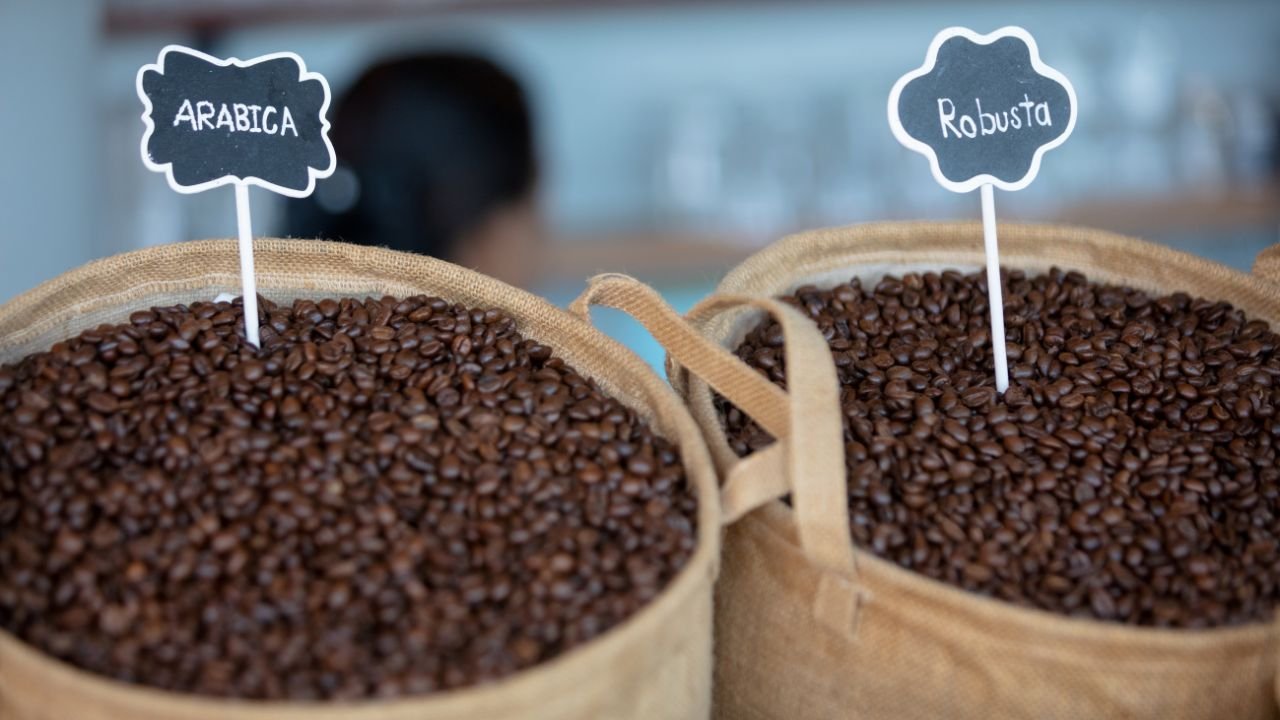
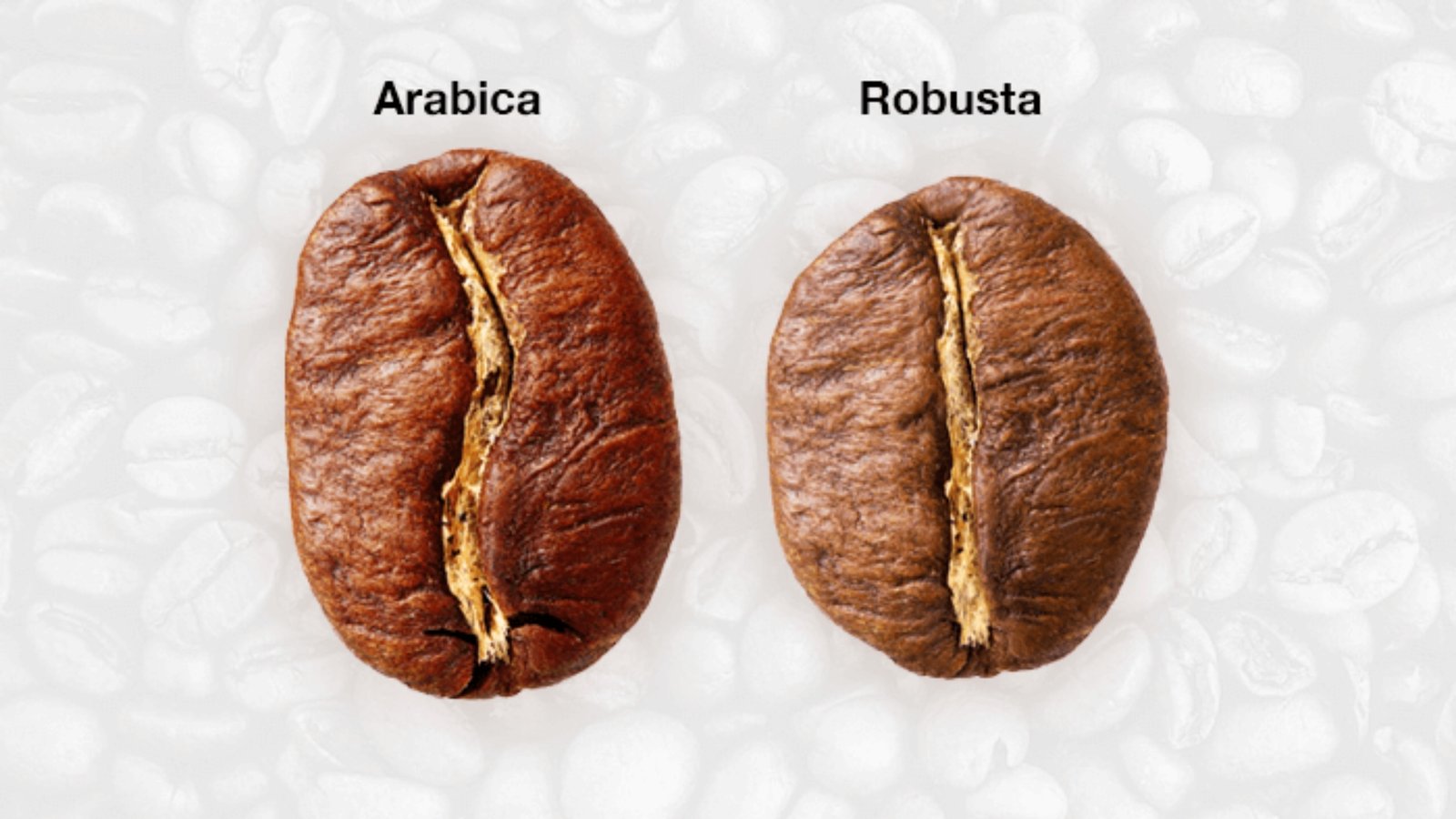
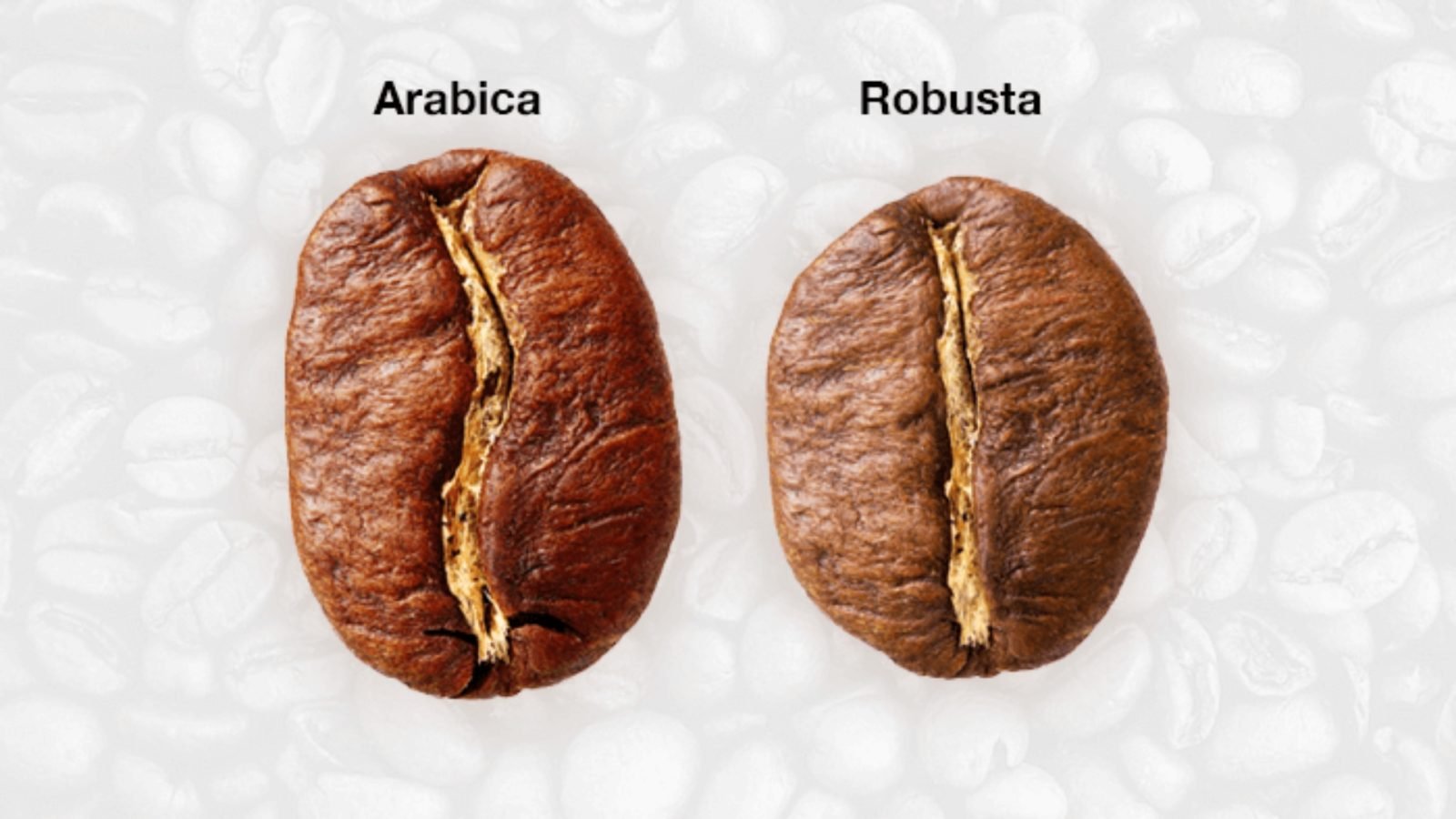
    If you place Arabica and Robusta coffee beans side by side, you will notice that Robusta is slightly rounder. Arabica has a more oval-like shape, which gives it a slender appearance.

    You can also notice the difference between their brown colors. Robusta has a darker brown shade, while Arabica is lighter.

    Cultivations of Robusta VS Arabica Beans

    Around 75 to 80 percent of coffee production in the world consists of Arabica, thanks to its more favorable flavor. However, Robusta is also a precious commodity because of its many uses.

    According to the statistics of coffee producers from 2003 to 2021, Brazil is still the largest producer in the world. It produces around 3,556,000 metric tons of coffee annually, with Arabica dominating 69 percent of that.

    Vietnam is the second largest producer in the world, coming with 1,830,000 metric tons. However, 95 percent of those beans are dominated by Robusta.

    Robusta VS Arabica Coffee Beans: Which One Is Better?

    difference between robusta and arabica coffee beans

    While Arabica has a smoother, crisper, and more complex flavor compared to Robusta, it does not mean one coffee type is “better” than the other.

    Arabica is a great blend that gives you a wonderful coffee-drinking experience. Depending on the origins, you can experience variations in flavor profiles, from floral to fruity and even chocolate-like.

    On the other hand, Robusta is not only good as instant coffee. It is a preferred bean for espresso and other beverages, like cappuccino and café latte. Robusta can give espresso the sought-out crema and kick thanks to its higher caffeine content and heavier flavor.

    Therefore, when comparing Arabica and Robusta, it is not about which one is “better” but more like “how you will use them.”

    Also Read: Green Coffee Vs Black Coffee, Different and Which One is Better?

    In conclusion, Arabica and Robusta differ in many aspects, such as flavor profiles, caffeine level, hardiness, cultivations, and sugar level. However, they are useful for many uses, from traditional brewing to quick instant coffee and various coffee recipes. The most important thing is getting the best quality beans.

    FnB Tech is the best Indonesian supplier of high-quality Arabica and Robusta beans. After knowing the difference between Robusta and Arabica coffee beans, make sure you order only the best beans from this supplier to get the most out of them!

  • Pruning VS Stumping: Why Coffee Farmers Use Different Methods

    Pruning VS Stumping: Why Coffee Farmers Use Different Methods

    Pruning and Stumping

    Coffee trees require regular maintenance, such as pruning and stumping. Regular maintenance is important for tall plants to keep the trees healthy and the yields abundant. Do you know the differences between pruning and stumping and why farmers adopt one or another?

    The Importance of Pruning and Stumping for Coffee Trees

    Pruning and Stumping Coffee Plantation

    Coffee trees are pruned to increase productivity and make harvesting fruits easier. When coffee trees grow tall and bushy, the air and light cannot reach all parts of the plants. It will prevent all the branches and leaves from getting enough energy to produce fruits and flowers. The problem gets exacerbated when coffee trees grow older and bushier.

    Diseases, molds, and pests are major risks for coffee trees that are not pruned or stumped. Without maintenance, parts of the trees will become moist and deprived of light, a perfect breeding ground for pests.

    Finally, pruning and stumping help extend coffee plants’ production as they age. The combination of natural depletion, aging, and phytosanitary problems may affect the yield, but pruning and stumping keep your coffee plants productive a little longer.

    Also Read: From Trees to Your Cup: 3 Types of Coffee Processing Methods

    Techniques of Pruning and Stumping

    Before learning about the differences between pruning and stumping, remember that coffee-producing regions worldwide may use different techniques. Various factors determine the decision to pick a technique, such as the production age, varieties, plantation density, environmental conditions, and risk factors of diseases and pests.

    Pruning

    Coffee Tree After Pruning
    Coffee Tree After Pruning

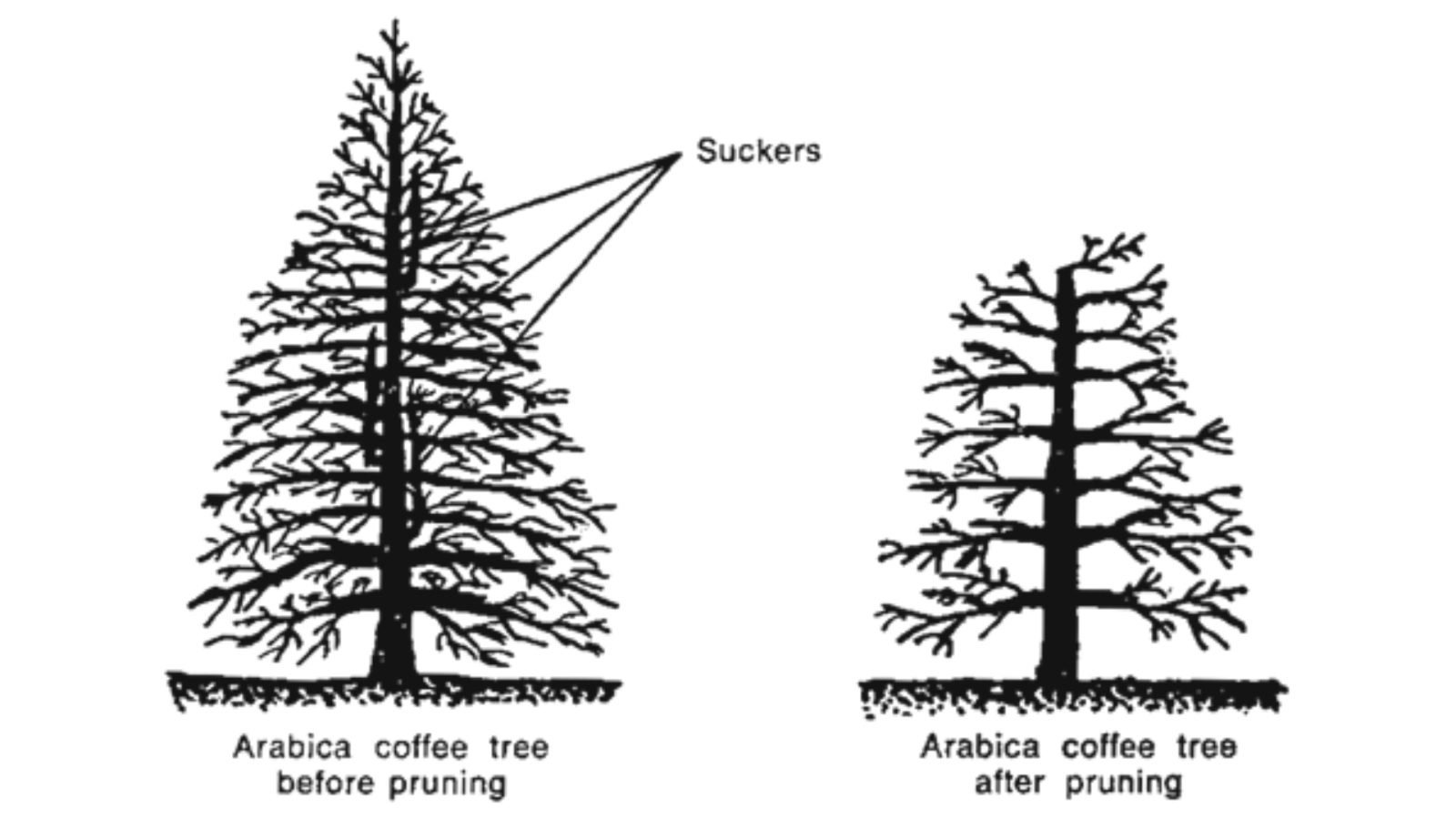
    Pruning means cutting some of the unnecessary branches until the coffee plants reach the desired size and shape. This method reduces the plant’s thickness, allowing air and light to reach all parts and removing the diseased or damaged branches.

    There are three types of pruning performed on coffee plants. They are:

    1. Topping 

    Topping occurs when the coffee plants are about two years old or younger and continues as regular maintenance. The goal is to keep them from getting too tall or growing overly thick stems. 

    2. Bending Pruning

    Bending pruning is done on plants younger than four years old but experiencing diseases. The plant is bent at a 45-degree angle and tied to a stake before being pruned close to the ground. This method encourages the growth of new, healthy sprouts.

    3. High Pruning

    High pruning is a method applied to coffee trees that already experience a decline in their yields (compared to the previous years). However, this is only performed on coffee trees still in productive years.

    Another pruning method is pinching, which is usually done after stumping. When you see new sprouts growing from the cleared stems, check to pick the ones that grow most vigorously. Pick four or five best sprouts, and remove the others. A month afterward, pick the best two or three sprouts and repeat the removal process. This way, the main sprouts will be supported by the remnants of the secondary ones, which you had removed.

    Also Read: Exploring the Regions Where Coffee Beans Grow Best

    Stumping

    Coffee Tree After Stumping
    Coffee Tree After Stumping

    If pruning is a form of regular maintenance, stumping is an aggressive method performed on old or heavily infested trees.

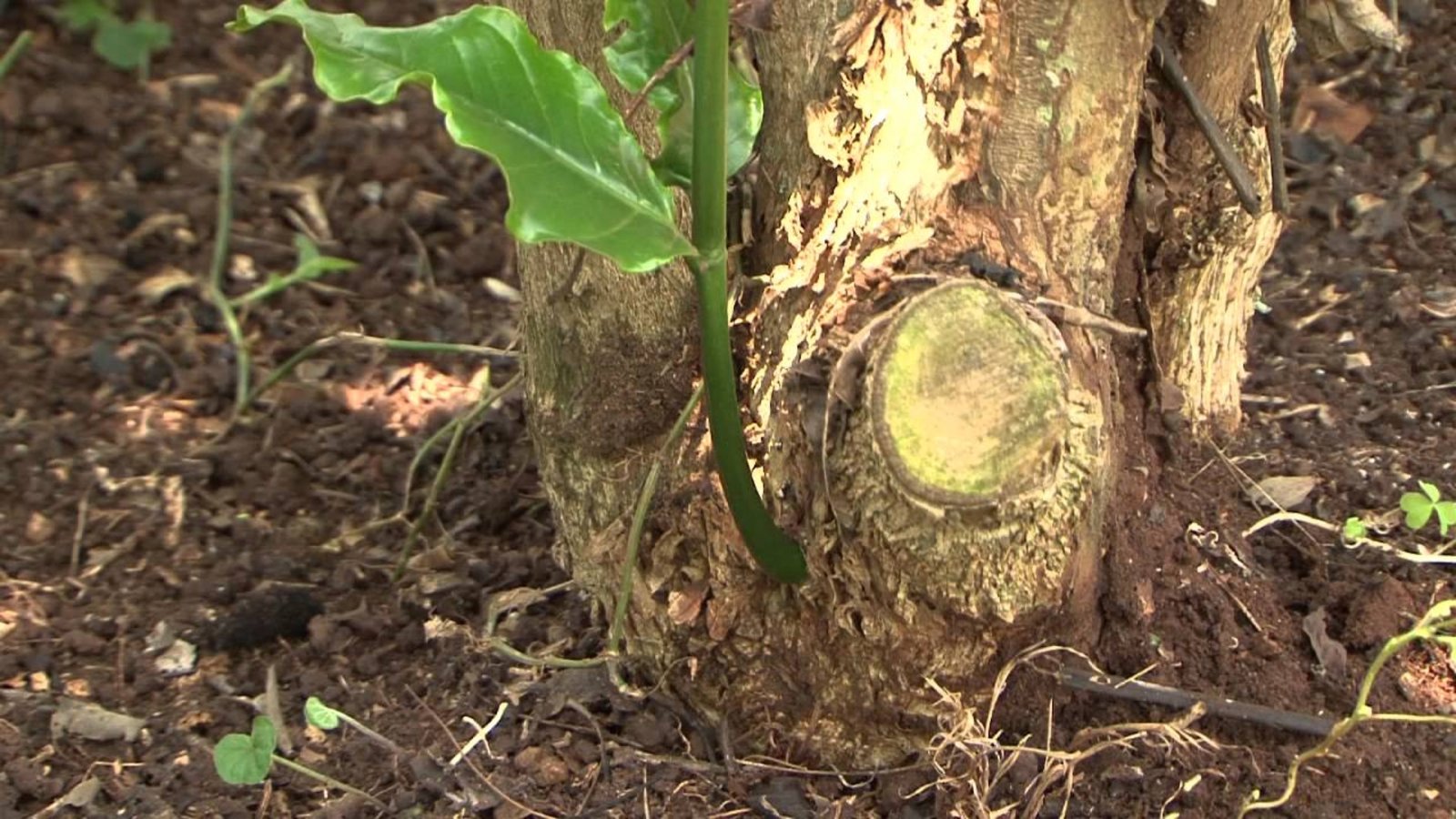
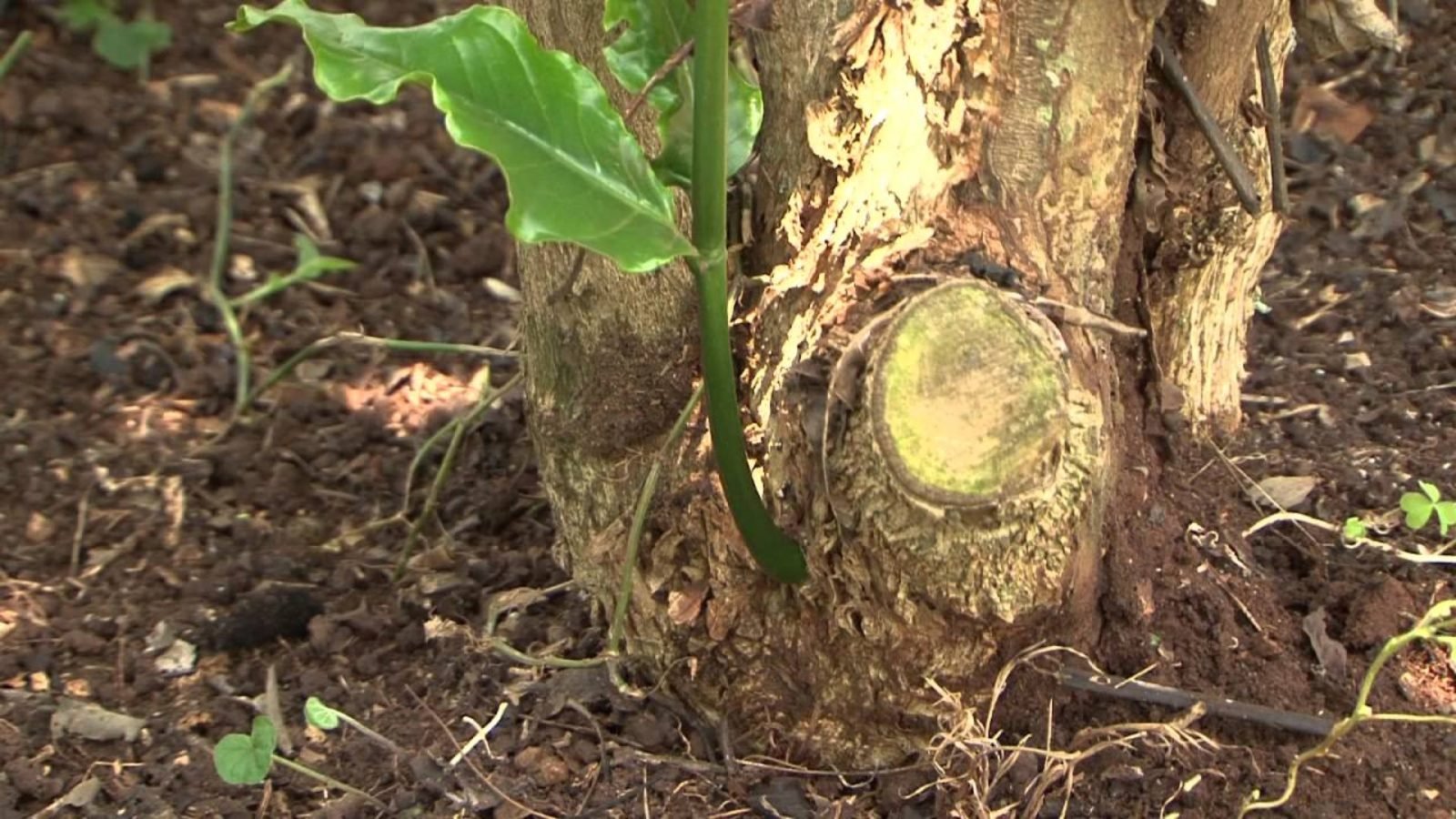
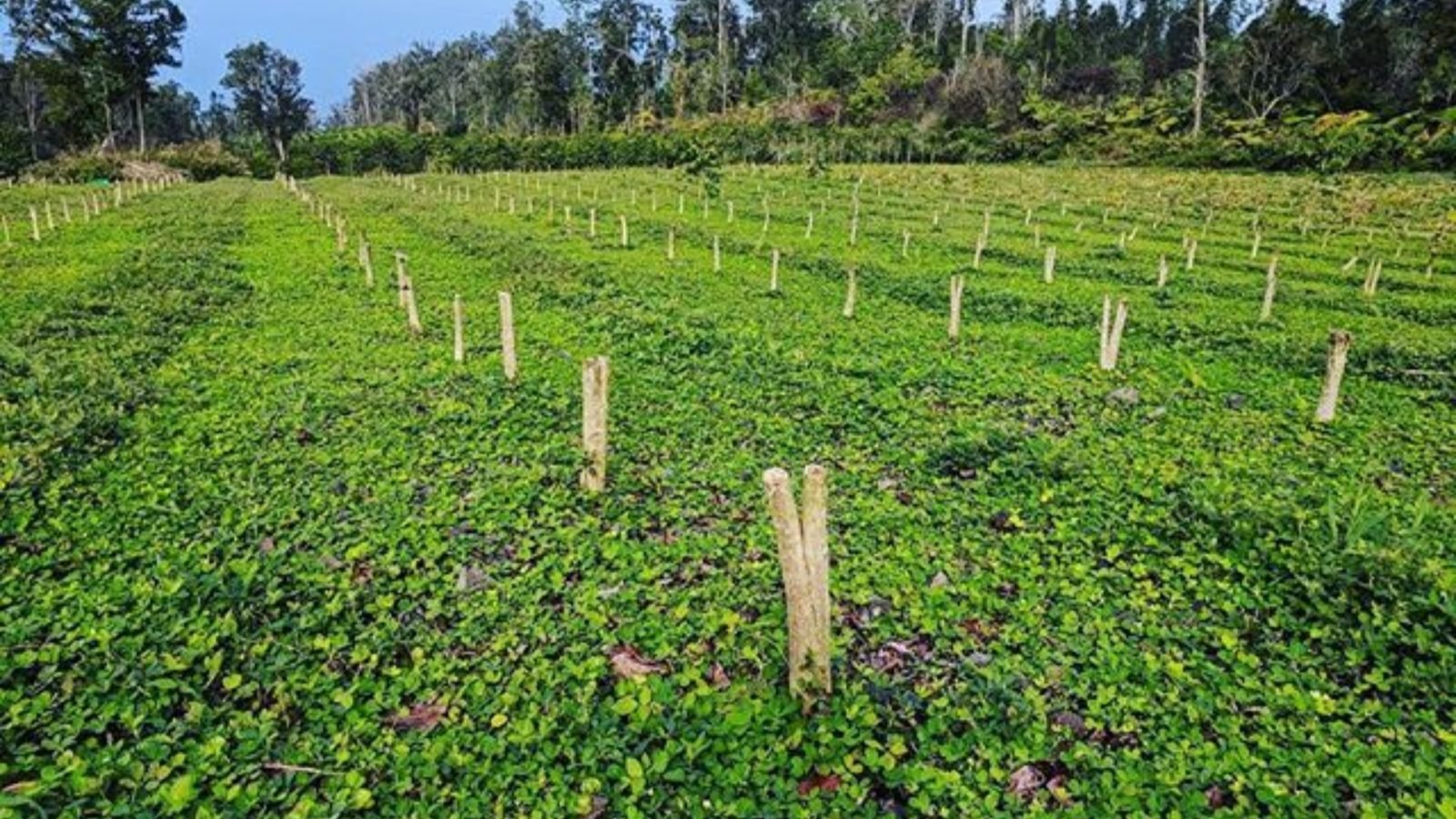
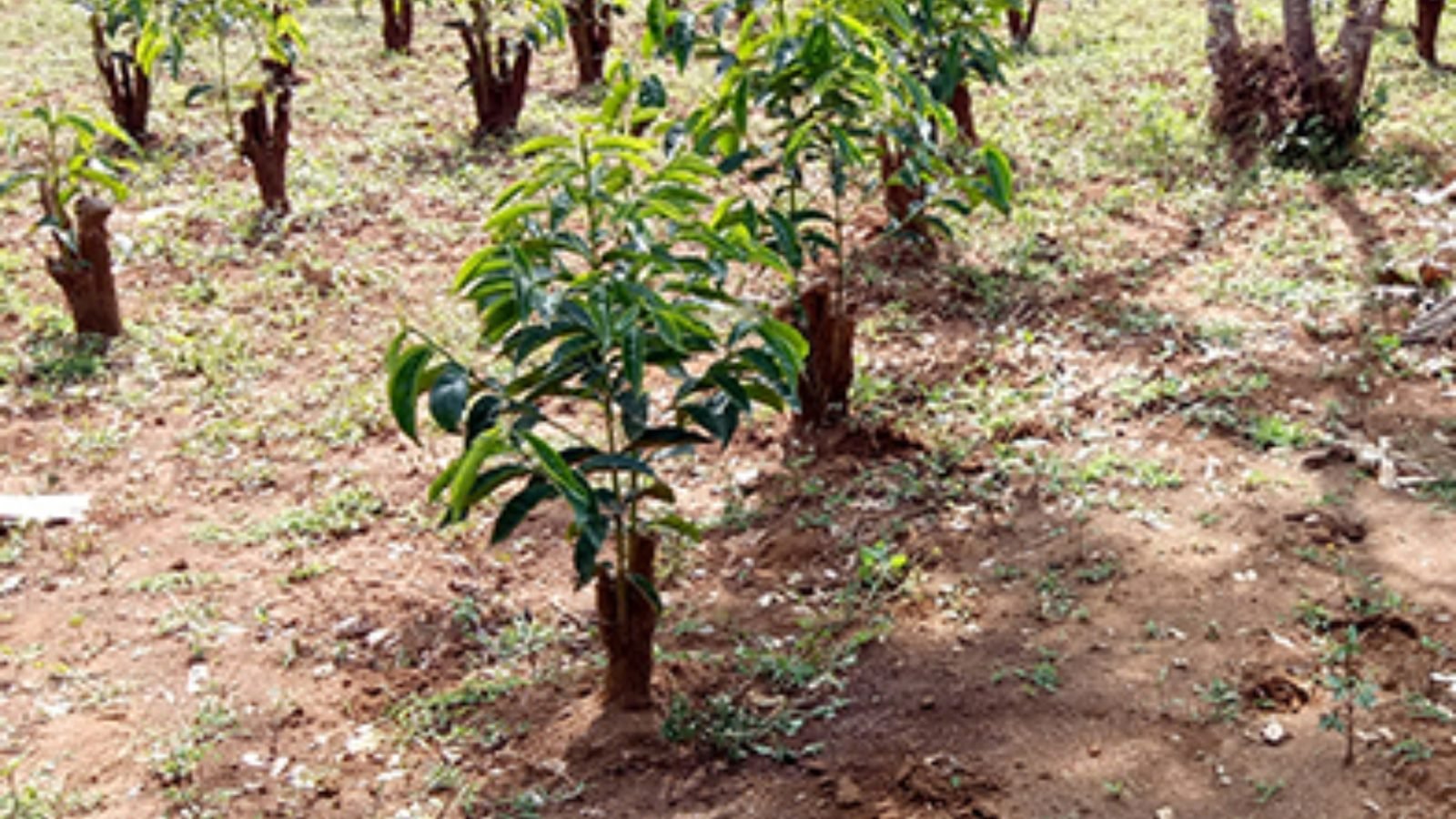
    With stumping, farmers cut the stems around 20 to 30 cm above the ground, stripping the stems off the branches. This method is used to encourage the regenerative period. If the stumping is done correctly, farmers can wait for two years before the stumped trees start producing flowers and fruits again.

    Depending on the tree’s condition and height, farmers sometimes leave a few stems. However, any stumping method must include careful cutting, ensuring that the remaining trees still have the nutrients they need to grow.

    To achieve the best stumping method without depleting the trees of nutrients, farmers must make a clean, oblique cut without leaving any cavity. Ensure all the stumping tools are sharp so each cut will be clean. If the trees are infected, burn all the diseased branches after stumping them and disinfect them carefully.

    When is the Right Time for Pruning and Stumping?

    Farmers must schedule pruning and stumping at different times depending on when they planted the trees. However, the ideal time for the actual pruning and stumping is after harvest, during cold weather.

    The trees will not grow sprout by pruning/stumping during this time. Since farmers will not harvest anything that grows from the trees during this time, there will be no risks of diseases or fungal infections.

    Conclusion

    In the end, there are no identical methods when scheduling pruning and stumping methods. Different plantations and coffee plants may require specific schedules based on their cultivations, plant types and ages, and the producers’ goals. Coffee producers must create long-term maintenance plans tailored to their plants. This way, the plants are healthy, and the yields are abundant.

    High-quality coffee producers understand the differences between pruning and stumping and work to create long-term plans for these maintenance plans. You can see the result by ordering coffee beans from FnB.co.id, a coffee exporter based in Indonesia. Working with the best coffee producers, FnB offers only the most prestigious beans, the results of excellent cultivation and maintenance.

  • Do You Know? Fun Facts About Asian Palm Civet for You!

    Do You Know? Fun Facts About Asian Palm Civet for You!

    The Asian palm civet has become so popular because of Luwak coffee or so-called civet coffee crowned as the most expensive coffee in the world. Some people also call this cute animal a toddy cat and musang, a small mammal of the Viverridae family. The Asian palm civets are actually native animals of South and Southeast Asia, especially from Indonesian islands such as Sumatra, Java, Bawean, Kalimantan, and Siberut. 

    Palm civets are also native to other Asian countries like Malaysia, Singapore, Thailand, India, Bhutan, Vietnam, and so on. According to the International Union for Conservation of Nature (IUCN) Red List, this animal has been listed as the Least Concern since 2018. That’s because its numbers today are still increasing. 

    So, to get more insight into facts about Asian palm civet, finish our complete review below.  

    Characteristics of Asian Palm Civets

    Characteristics of Asian Palm Civets
    Characteristics Animal Asian Palm Civets

    This small mammal has an average body length of up to 43-71 cm. The tail length of this civet is between 40 cm to 66 cm. Meanwhile, their weight can vary from 2 to 5 kg. The Asian palm civet is also known for its characteristic of a pointed snout and long furry tail. Their body is covered with shaggy hair and grayish in color.

    As an omnivore, the Asian Palm Civet has a broad diet ranging from fruits to insects. Besides liking coffee cherries, the Asian palm civet also has a great fondness for palm flower sap. In terms of behavior, this cute mammal likes climbing trees and living in forests. Moreover, they are known as nocturnal animals who like to roam around at night or dusk.

    Distribution and Habitat of Asian Palm Civets 

    Habitat of Asian Palm Civets
    Asian Palm Civet live in Tropical Forest

    The Asian palm civet is a small mammal that loves to live in the tropical forests of South and Southeast Asia. As previously mentioned, this type of civet is native to several Asian countries such as Indonesia, Vietnam, Thailand, etc. Furthermore, these animals also like to inhabit primary and secondary forests, mangroves, seasonally flooded peat swamp forests, teak plantations, or oil palms. Moreover, Asian palm civets are often found in parks or suburban gardens with undisturbed vegetation or surrounded by mature fruit trees.


    Fun Facts About Asian Palm Civet 

    Facts About Asian Palm Civet in The World

    Aside from their cute appearance, here are some fun facts about Asian palm civets you need to know.

    Is the Asian Palm Civet a Cute Animal? 

    Undoubtedly, these small mammals are cute in their own way. They have unique motifs, like wearing a white mask on their forehead. They also have white spots on either side of their nostrils. There is a dark line between the civet’s eyes which makes it look cuter. Along with their shiny eyes, their furry body and small ears make their appearance even more charming.

    How Do Asian Palm Civets Communicate?

    The Asian palm civet is usually a silent animal, but it can also produce sounds similar to meows. Also, when threatened, they will do something like snarling, hissing, and spitting. Other than that, these animals like to use their scent glands to communicate with their species instead of using their vocalizations. That’s why these cute animals usually release their anal glands on the ground to mark their territories. However, the Asian palm civet has various modes of communication at their disposal, such as visual, auditory, or the ability to sense smell.

    What Do Asian Palm Civets Eat? 

    The Asian palm civet has an extensive range of diets. They like to eat fruits, such as mangoes, coffee cherries, berries, and bananas. The palm flower also became their favorite diet. Along with insects, a civet cat eats small animals like snakes, rodents, lizards, and frogs. 

    Also Read: LUWAK Coffee Health Benefit and The History

    Other Facts About Asian Palm Civet 

    Apart from the interesting facts above luwak, here are other fun details about Asian palm civets.

    • As a solitary animal, the Asian palm civet likes to spend its time alone. These animals will only congregate with one another during mating season. After the mating process is complete, they will go their own ways. They are also the type of animals that like to hunt alone and do not like to share their food with others.
    • This cute mammal has a long lifespan, between 15 to 20 years. Some reports also mention that a civet cat can live up to 22 years.
    • After the mating process, the female civet will undergo a gestation period of 2 months. They usually give birth to 2-5 pups in a litter.
    • When trying to make contact with their species, civets sometimes make ‘ha ha ha’ sounds—much like those made by hyenas.

    Asian Palm Civet and Luwak Coffee

    Luwak Coffee From Asian Palm Civet
    Luwak Coffee From Asian Palm Civet

    The Asian palm civet and coffee are two things that are inseparable today. Luwak coffee, widely known as civet coffee, is a coffee produced from coffee cherries eaten and digested by Asian palm civets. These half-digested beans undergo a process of fermentation when they pass through the civet’s digestive organs. However, this coffee is popular because the caffeine content in both Robusta and Arabica Luwak coffee tends to be lower than in unfermented ones.

    Also Read: From Trees to Your Cup: 3 Types of Coffee Processing Methods

    But unfortunately, due to civet coffee becoming a trendy drink, Asian palm civets are being increasingly hunted from the wild to boost coffee production.

  • Exploring the Regions Where Coffee Beans Grow Best

    Exploring the Regions Where Coffee Beans Grow Best

    Where Coffee Beans Grown

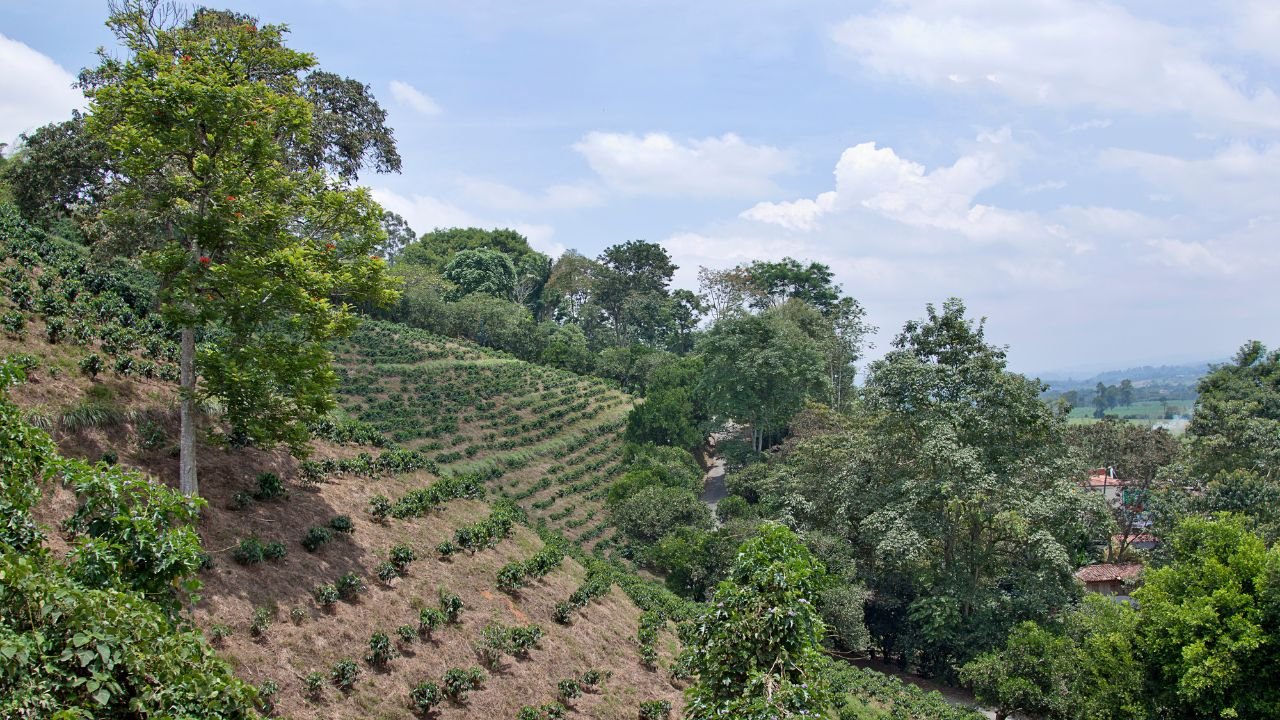
    As a coffee snob who’s always curious about your caffeine, you are certainly wondering where do coffee beans come from or how to produce coffee beans with the best quality. Check out this article to get more information about where coffee beans grow and what conditions enable a coffee producer to produce high-quality coffee. 

    What Plants Grow Coffee Beans?

    Plants Grow Coffee Beans
    Plants Grow Coffee Beans

    The types of plants that produce coffee beans are generally divided into two. The first genus is Robusta or widely known as Coffea canephora. 75-80 percent of the world’s coffee production comes from this coffee plant species. At the same time, the second genus that is popular in the world is Arabica coffee. Both coffee plants can grow up to 10 meters, but most coffee producers keep their coffee plants shorter to make harvesting easier.

    Coffee Beans Growing on Plants or Trees? 

    Coffee Beans Growing on Plants or Trees
    Plants or Tree?

    Coffee beans develop actually inside a “cherry fruit” that grows in coffee plants. It usually needs coffee plants with ages of between two and four years old to get perfectly ripe coffee beans. You will also find 2 seeds in each cherry-like fruit of the coffee plant.

    The coffee producer will pick the cherries when their level of ripeness is sufficient for the good-quality coffee characteristics. However, it should be noted that each type of coffee beans has its own specific ripeness and harvesting process. 

    After the coffee cherries are picked, the coffee producer will extract the beans from the fruit and roast them. In the next stage, the roasted coffee seeds will become the dark brown beans we usually know.

    The Best Areas for Growing Coffee Beans in The World 

    The Coffee Belt in The World

    Tropical and subtropical become the best climate for growing coffee. Because of this, if you ask where coffee beans grow, the answer is most of the world’s coffee grows within the Bean Belt an area around the equatorial zone. This region includes parts of Africa, Central and South America, Southeast Asia, and the Middle East.

    Central and South America Regions 

    As part of the Bean Belt, the famous coffee-producing regions in Central America are Nicaragua, Guatemala, Honduras, El Salvador, and Costa Rica. In this case, Costa Rica is known as a region that produces the most high-quality coffee with a very aromatic flavor.

    Meanwhile, the regions in South America recognized for their coffee production are Colombia, Brazil, Ecuador, and Bolivia. However, Brazil has the highest volume of coffee production in this region and also in the world due to its amazing growing conditions.

    Africa and Middle East Regions 

    For African areas, Kenya, Tanzania, and Ethiopia have become the most regions that contribute to coffee production. Coffee beans from this region are known for their fruity, sweet, and delicate floral aroma. Meanwhile, the Middle East area has Yemen as the most coffee producer in that region. Because Yemen coffee originates from Ethiopia, it has characteristics like being citrusy and brighter with high acidity. 

    Southeast Asia Regions 

    Coffee has also become a major commodity in the Southeast Asian region, especially Indonesia and Vietnam, since the late seventeenth century. As one of the best coffee bean producers in the world, Indonesia coffee beans supplier and distributor is definitely known for its excellent quality coffee production. In addition, many coffee plantations can be visited in Indonesia. For example, the best coffee plantation to visit in Bali offers interesting tasting activities and the manufacturing processes of Kopi Luwak or civet coffee, the world’s most expensive coffee.

    Besides Indonesia, Vietnam is one of the largest coffee exporters in the Asian region. Their coffee beans have a delicate and mild taste. Meanwhile, coffee beans produced in Indonesia (Sulawesi, Sumatra, and Java) offer a more nutty and juicy fruit aroma.

    Also Read: 8 Types of Coffee Beans in Indonesia, Unique & You Must Try!

    Coffee Bean Harvesting 

    Take a look at a quick guide to wet and dry coffee processing methods. 

    Wet Processing Method

    Wet Processing Method Coffee Beans
    Wet Processing Method Coffee Beans

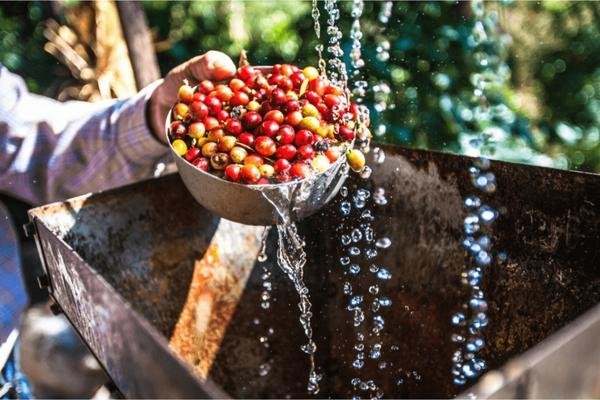
    As the name suggests, coffee cherries are soaked in water to ferment them and help separate the coffee fruits from the beans. After the green coffee beans are separated from the coffee cherries, they will be washed again until clean; this process also helps remove any residue still attached to the cherries’ surface. After that, the green coffee beans are sun-dried. The flavor of coffee using this method has a cleaner, brighter, and fruitier profile.

    Also Read: Wet Hulled Coffee Process: Unique Technique from Indonesia

    Dry Processing Method

    Dry Processing Method Coffee Beans
    Dry Processing Method Coffee Beans

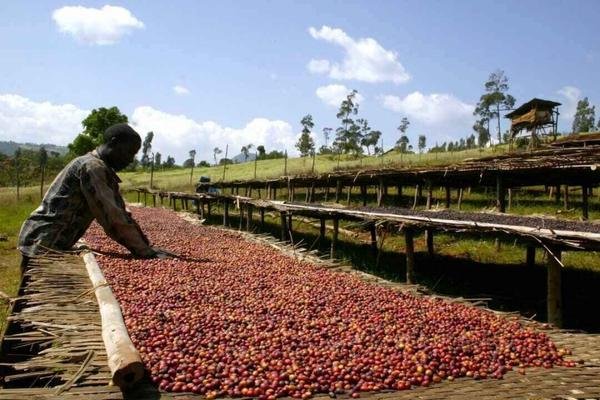
    Unlike the wet process, freshly-picked coffee cherries are not soaked in water but are dried directly in the sun. Coffee producers repeatedly turn and rake coffee fruits to separate green coffee beans from their cherries. Even though the dry process can produce a unique taste in coffee, this method is considered risky. 

    This is because rain and high humidity can mold the coffee cherries and destroy the harvest. In terms of characteristics, dry-processed coffee beans are often described as having a red wine-like taste compared to washed ones.

    Hopefully, our article can help every coffee lover who’s curious about the question “where coffee beans grow?” get the details that they want. 

  • Can We Drink Coffee During Pregnancy? Look This Potential Risk

    Can We Drink Coffee During Pregnancy? Look This Potential Risk

    Can We Drink Coffee During Pregnancy

    Those who rely on at least a cup of coffee (or maybe two) to fire up their day may be afraid of the thought of cutting it out when they’re pregnant. So, can we drink coffee during pregnancy? Or is it actually safe to drink coffee in pregnancy second trimester?

    Find out the answer in this article, whether consuming coffee during pregnancy is okay, and if so, how much it is said to be safe for pregnant women. 

    How Much Is Caffeine Safe for Pregnant Women?

    To answer the question of can we drink coffee during pregnancy?, let’s check some health guidelines or studies regarding that matter. Based on guidelines of the American College of Obstetricians and Gynecologists (ACOG) and several studies released to the public regarding coffee consumption during pregnancy, experts said that consuming less than 200 mg of caffeine a day (about 2 cups of coffee) is safe for pregnant women. 

    Furthermore, several studies have found that excessive caffeine consumption during pregnancy can affect the growth and development of the fetus. However, it should be noted that caffeine is not only found in coffee. So, make sure you also pay attention to the consumption of other caffeinated foods or beverages during pregnancy.

    Can Caffeine Have Effects on Mother and Baby? 

    Then, can caffeine consumption affect the health of a mother and her unborn baby? The good news is a study released in JAMA Network Open found that consumption of caffeine in low amounts can actually reduce the risk of gestational diabetes in pregnant women. However, that’s certainly not the final result regarding caffeine consumption in pregnant women. 

    Based on another study published by NIH’s Eunice Kennedy Shriver National Institute of Child Health and Human Development, the researchers found that women who drink half a cup of caffeine per day had slightly smaller babies than ones who didn’t do so. In this case, smaller birth sizes can increase the risk of heart disease, obesity, and diabetes in the infant’s later life.

    Is It Beneficial to Drink Coffee During Pregnancy? 

    However, if you ask whether consuming caffeine, especially coffee, can provide benefits for pregnancy, several studies say so. Some experts found that consuming low-to-moderate amounts of caffeine during the second trimester may reduce the risk of gestational diabetes in pregnant women. 

    As reported by the official ACOG website, the researchers also didn’t find caffeine consumption below 200 mg per day triggers preterm birth or pregnancy loss. But still, it should be noted that a final conclusion cannot be made at this time whether caffeine consumption is really needed during pregnancy or it really doesn’t need to be consumed at all. 

    How to Reduce Caffeine During Pregnancy?

    Drink Decaffeinated Coffee 

    Decaffeinated Coffee

    As a pregnant coffee lover, you may struggle to eliminate coffee from your daily life. Therefore, you can try decaf coffee, a popular alternative to still enjoy coffee with a lower caffeine content. Although not completely caffeine-free, 97% of the caffeine content in decaf is removed from the beans during the manufacturing process. 

    For example, a freshly brewed cup of decaf only contains about 2.4 mg of caffeine. However, if you are still concerned about your pregnancy, try mixing your regular coffee with decaf to ensure you drink less caffeine. Another point to note is that you must double-check the caffeine content in your decaf coffee. That’s because some commercial decaffeinated coffee is shown to contain higher caffeine amounts. For example, a study found that commercial decaf coffee has 14 mg of caffeine per 475 ml serving. 

    Also Read: Decaf and Patented: Secret of Swiss Water Process Decaf Coffee

    Effects of Consuming Caffeine when Pregnant 

    The bottom line is it’s still fine to consume a little bit of caffeine if you need it during pregnancy. However, there’s nothing wrong with waiting until your baby is born to re-consume your favorite coffee. This is because the effects of caffeine on the body may not be something pleasant to experience during pregnancy. 


    Caffeine is known as a diuretic and stimulant. As a stimulant, caffeine can increase blood pressure and heart rate, so it is not recommended during pregnancy. Then, as a diuretic, caffeine can boost urination frequency; of course, it’s not a pleasant thing to experience because you will run to the restroom more often with your big baby bump.

    Another effect of consuming caffeine that needs to be considered is that it can cross the baby’s placenta. Even though the mother may be able to handle the caffeine content that enters her body, the unborn baby doesn’t have enzymes that can metabolize caffeine. As a result, any amount of caffeine can still affect your baby’s sleep or normal movement pattern in the later phases of pregnancy. Also, always remember that caffeine is a stimulant, so it can make you and your unborn child awake.

    Hopefully, this article can help you answer the question, “can we drink coffee during pregnancy?”. Reducing caffeine consumption as much as possible would be the safest action to do while pregnant. However, if you feel that you must get your fix, go and discuss this matter with your healthcare provider to find the healthiest solution for you and your unborn child.

  • 8 Best Coffee Plantation to Visit in Bali, Don’t Miss It!

    8 Best Coffee Plantation to Visit in Bali, Don’t Miss It!

    Best coffee plantation to visit in bali

    As a coffee snob who’s deeply into coffee details, you must be curious about which place is famous for coffee plantation in Indonesia. The answer is Bali, an island internationally renowned for its culture and maritime tourism. Bali is also a paradise for every coffee snob who likes to explore various coffee plantations and enjoy brewing local coffee. 

    Then check the following review to find out the best coffee plantation to visit in Bali.

    1. Alas Harum Bali 

    Alas Harum Bali

    “Good place for rest, coffee, nature, and friendly staff.”

    Google Review

    Alas Harum is a famous agritourism serving civet coffee in Bali. Visitors can directly see the processing of the world’s most expensive coffee, which still uses traditional methods. Civet coffee, or Kopi Luwak, comes from digested coffee cherries eaten and defecated by the Asian palm civet. 

    Aside from seeing a panoramic Arabica plantation and doing a coffee tasting, this place will offer you other fun activities like zip line, swing, etc.

    • Address: Jalan Raya Tegallalang, Tegallalang, Kec. Tegallalang, Kabupaten Gianyar
    • Operating hours: Every day from 9am to 6pm
    • Entry fee: Rp50,000 per person

    2. Bali Pulina 

    Bali Pulina Plantation

    “Super friendly staff and amazing place for enjoying coffee and spices.”

    Google Review

    For those seeking the best coffee plantation to visit in Bali, this place will be a great alternative. By visiting this plantation, you can see how local coffee plants grow as well as its making process. Luwak Coffee is also the best-selling coffee in Bali Pulina. Undoubtedly, it would be a fantastic experience to sip a cup of coffee in the middle of a serene green nature.

    • Address: Jalan Raya Pujung Kelod, Desa Sebatu, Tegallalang, Gianyar
    • Operating hours: Every day from 9am to 5pm
    • Entry fee: Rp250,000 per person

    3. Uma Pakel Agro Tourism & Swing 

    Uma Pakel Agro Tourism & Swing

    “Great service, pricing, and offer a broad variety of coffee and tea drinks.”

    Google Review

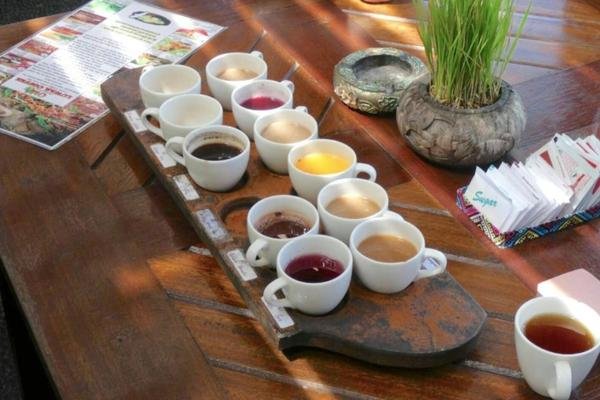
    Tourists will get the opportunity to taste 7 types of coffee drinks for free. Luwak coffee is also available here, becoming a flagship product of this agrotourism. More importantly, the coffee is harvested from Uma Pakel’s own plantation. They have a large Arabica plantation covering a 40 x 40 meters area.

    • Address: Jalan Raya Tegallalang, Tegallalang, Kec. Tegallalang, Kabupaten Gianyar 
    • Operating hours: Every day from 8am to 6pm 
    • Entry fee:  no entry ticket. But if you want to use the swing facility in the plantation area, you have to pay Rp200,000 per person

    4. OKA Agriculture Bali 

    OKA Agriculture Bali

    “Awesome place, great tasting experience of different coffees, teas, and the gift shop offers reasonable pricing.”

    Google Review

    OKA Agriculture Bali offers its guests the chance to explore their renowned Arabica plantation. Located on the slopes of Mount Batur, you can learn how Luwak coffee is harvested, sun-dried, and even processed into freshly brewed coffee.

    • Address: Manukaya, Tampaksiring, Gianyar Regency
    • Operating hours: –
    • Entry fee: No entry fee, but you have to pay about Rp60,000 for a coffee and tea testing set

    5. Segara Windhu Coffee Plantation 

    Segara Windhu Coffee Plantation

    “Excellent tour through the coffee garden and great knowledge about local coffee.”

    Google Review

    A great place to see the Luwak coffee-making process. You can also enjoy Arabica and Robusta coffee products from this plantation. Furthermore, it has a small store selling various coffee drinks and yummy chocolates for gifting purposes.

    • Address: Banjar Temen, Jalan Raya Kintamani, Manukaya, Kec. Tampaksiring, Kabupaten Gianyar
    • Operating hours: Everyday from 8am to 5:30pm
    • Entry fee: Rp20,000 per person

    6. Cantik Agriculture Luwak Coffee 

    Cantik Agriculture Luwak Coffee

    “Got free tasting and great explanation of coffee growth and its making process, as well as knowledge about Luwak coffee beans.”

    Google Review

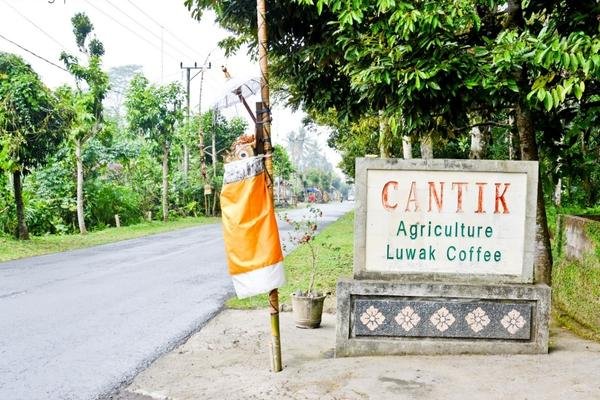
    Three types of coffee beans are planted in Cantik Agriculture: Arabica, Robusta, and Balinese specialty coffee. More importantly, the local farmers who managed this plantation still harvest their coffee fruits through the traditional process. Hence, you can see Luwak coffee’s manufacturing process here and do some coffee tasting.

    • Address: Jalan Raya Kintamani Br. Temen, Manukaya, Kec. Tampaksiring, Kabupaten Gianyar
    • Operating hours: Everyday from 8am to 6pm
    • Entry fee: no free entry, but you must pay around Rp50,000 for a cup of Luwak coffee

    7. Lumbung Sari House Of Luwak Coffee 

    Lumbung Sari House Of Luwak Coffee

    “Great place for sampling a wide variety of coffee.”

    Google Review

    Lumbung Sari is a great place to taste high-quality Bali Kintamani coffee. This local coffee is produced from Arabica coffee plants. Its Luwak coffee has also become the best-selling product sought-after by many tourists. In addition, this beautiful plantation serves complimentary tea and coffee tasting. 

    • Address: Jalan A.A. Gede Rai, Lodtunduh, Kecamatan Ubud, Kabupaten Gianyar
    • Operating hours: Everyday from 9am to 7pm
    • Entry fee: no entry fee and coffee testing is complimentary (except for Luwak coffee)

    8. Hidden Garden Agriculture 

    Hidden Garden Agriculture 

    “Nice place to have a short tour and coffee tasting.”

    Google Review

    As the name suggests, this place makes you feel like you are in a tranquil secret garden. Presenting a fun plantation tour where you can see the process of Tabanan coffee (Robusta) farming, there are additional attractions, such as a swing and some instagramable selfie spots.

    • Address: Jalan Baturiti – Mekarsari, Mekarsari, Kec. Baturiti, Kabupaten Tabanan
    • Operating hours: Everyday from 8am to 6pm
    • Entry fee: no entry fee, and it offers free testing of organic coffees

    Also Read: From Trees to Your Cup: 3 Types of Coffee Processing Methods

    That’s all about the best coffee plantation to visit in Bali. It would be great to fulfill your coffee plantation Bali tour by visiting one of them. Or, you can buy the best quality product from a trusted coffee bean supplier like FnB Tech Indonesia. Having been in coffee trading since 1999, their best-selling coffee also comes from Bali, such as Bali Kintamani Robusta Coffee and Bali Luwak Arabica Coffee.

  • Cold Brew vs Hot brew: Everything You Need to Know

    Cold Brew vs Hot brew: Everything You Need to Know

    Cold Brew vs Hot Brew

    Cold brew definitely owns a special place in coffee aficionados’ hearts. However, only a few know the essential differentiation between cold-brewing and hot-brewing coffee. Accordingly, we have collected this information to give you insight into the important distinctions and facts between cold brew vs hot brew.

    What Are The Definition of Cold Brew and Hot Brew 

    cold brew vs hot brew

    What is cold brew?

    Cold brew is made of ground coffee beans brewed with cold or room-temperature water for 24 hours. You can easily make this type of coffee at home and keep it in the refrigerator for up to 2 weeks. However, it should be noted that cold brew is totally different from iced coffee. That’s because iced coffee drinks are made by adding ice to freshly brewed coffee.

    What is hot brew?

    As the name suggests, hot-brewed coffee is made by brewing ground coffee beans with hot water. There are several tools commonly utilized to brew hot coffee, such as a drip machine or a French press coffee maker. The hot-brewing one is also fast to serve and the easiest to make.

    Cold Brew versus Hot Brew: Essential Distinctions to Know

    1. The Coffee Acidity Level 

    Coffee Acidity Level Cold Brew vs Hot Brew

    Brewing ground coffee beans with hot or cold water will significantly affect their acidity. So, if you ask whether cold-brewing coffee is less acidic than hot-brewing one, the answer is yes. 

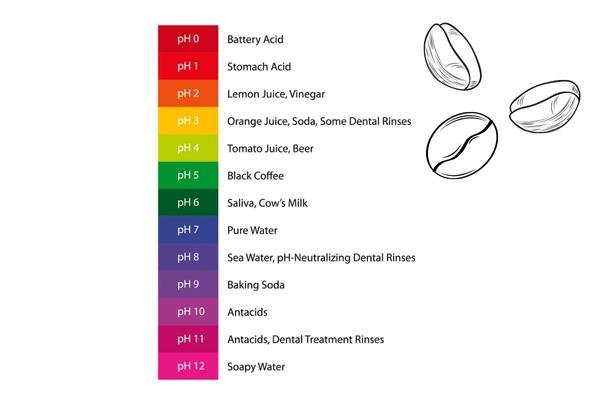
    Based on Thomas Jefferson University studies, a cold-brewing coffee has a slightly higher pH than a hot-brewing one. But still, you have to pay attention to some exceptions to this examination. That’s because the acidity of cold-brewed coffee can be a bit tricky, and the method chosen to brew your hot coffee also matters. 

    The pH of cold brew can vary from 5.10 to 6+, while espresso offers a ph of 4.9 to 6. To know the acidity level of coffee, you can use pH test strips. Meanwhile, the variety of acids in the coffee itself is eclectic, including citric acid, malic acid, phosphoric acid, acetic acid, tartaric, quinic acid, and chlorogenic acid.

    2. The Taste of Cold-Brewed and Hot-Brewed Coffee 

    Try to Taste of Hot Coffee

    Brewing techniques create a significant flavor difference in cold and hot brews. Aside from having a lower level of bitterness than hot-brewed coffee, cold-brewed one also has a smoother, rounded, and mellow taste. Meanwhile, hot brewing coffee offers a sharper, bitter, and direct flavor.

    3. The Caffeine Content in Cold-Brewing and Hot-Brewing Coffee 

    Caffeine of Coffee

    Furthermore, many questions were raised about whether cold-brewed coffee has less caffeine than hot-brewed one. Referring to research by Caffeine Informer, ready-to-drink cold and hot brew coffee can have varying caffeine content. While the average cold-brewing coffee drink has 200 mg of caffeine per 16 fluid ounces (473 ml), regular hot coffee can contain 326 mg of caffeine at the same dose.

    Also Read: Decaf and Patented: Secret of Swiss Water Process Decaf Coffee

    4. Which One Is Easier to Mix?

    Coffee Mix

    Between cold brew and hot brew, which one is more flexible? Hot coffee is, for sure, very satisfying and cozy to sip. However, this kind of coffee isn’t considered flexible or easy to mix into other drinks. On the contrary, the cold brewing method can create a coffee concentrate easily blended with many different compounds. Because of this, many people agree that cold brew coffee is easier to mix into other tasty caffeine drinks.

    Cold Brew versus Hot Brew, Which One Is Stronger?

    Regarding health benefits, is cold brew better than hot brew? Or which one is stronger? Cold-brewing coffee has a stronger taste compared to hot-brewing one, but it can depend on how you prepare your hot coffee. If you use a regular recipe with a proportion of 1 (coffee) : 5 (water), cold-brewed coffee can contain 518 mg of caffeine per 236 ml. Meanwhile, standard drip coffee can contain 175 mg of caffeine per 236 ml. Then if you use a French press machine, your hot coffee can have roughly 204 mg of caffeine per 236 ml.

    Ergo, if you ask about cold brew vs hot brew coffee health, both have some differentiations in their health advantages. This is why it’s not necessary to determine who is the most healthy. For example, cold brew is the best choice for those with acid reflux or digestive issues; because its acidity level is less than hot brew. On the other hand, hot-brewed coffee offers higher levels of antioxidants that can prevent cancer and boost the body’s immunity.

    Also Read: Green Coffee Vs Black Coffee, Different and Which One is Better?

    Cold Brew vs Hot Brew, Which One Is More Pricey? 

    cold brew vs hot brew

    The cold brewing method needs more ground coffee beans. That’s why cold-brewing coffee is more pricey than hot-brewing coffee. As mentioned before, to make a perfect concentrated coffee using the cold-brewing technique, you have to use a proportion of 1:5. Because of that, don’t be surprised if the price for a cold brew coffee in a coffee shop tends to be costly. The process of making it takes a longer time, and there is also a load of electrical costs to be paid to ensure it’s refrigerated perfectly during its steeping process. Cold brew vs hot brew, each has its own advantages. So, it is not necessary to drop one of them.

slot thailand no 1