document.documentElement.classList.add("cf-on");'; return; } ?>

Blog

  • The richness of Java Coffee: exploring Flavor and History

    The richness of Java Coffee: exploring Flavor and History

    Coffee, a beloved beverage cherished by millions around the globe, comes in countless varieties. One such variety that has captivated the palates of coffee enthusiasts is Java Coffee. This unique coffee hails from the Indonesian island of Java and boasts a diverse range of flavors and types. In this article, we’ll delve into the origins, types, and brewing techniques of Java Coffee, offering you a comprehensive guide to this aromatic delight.
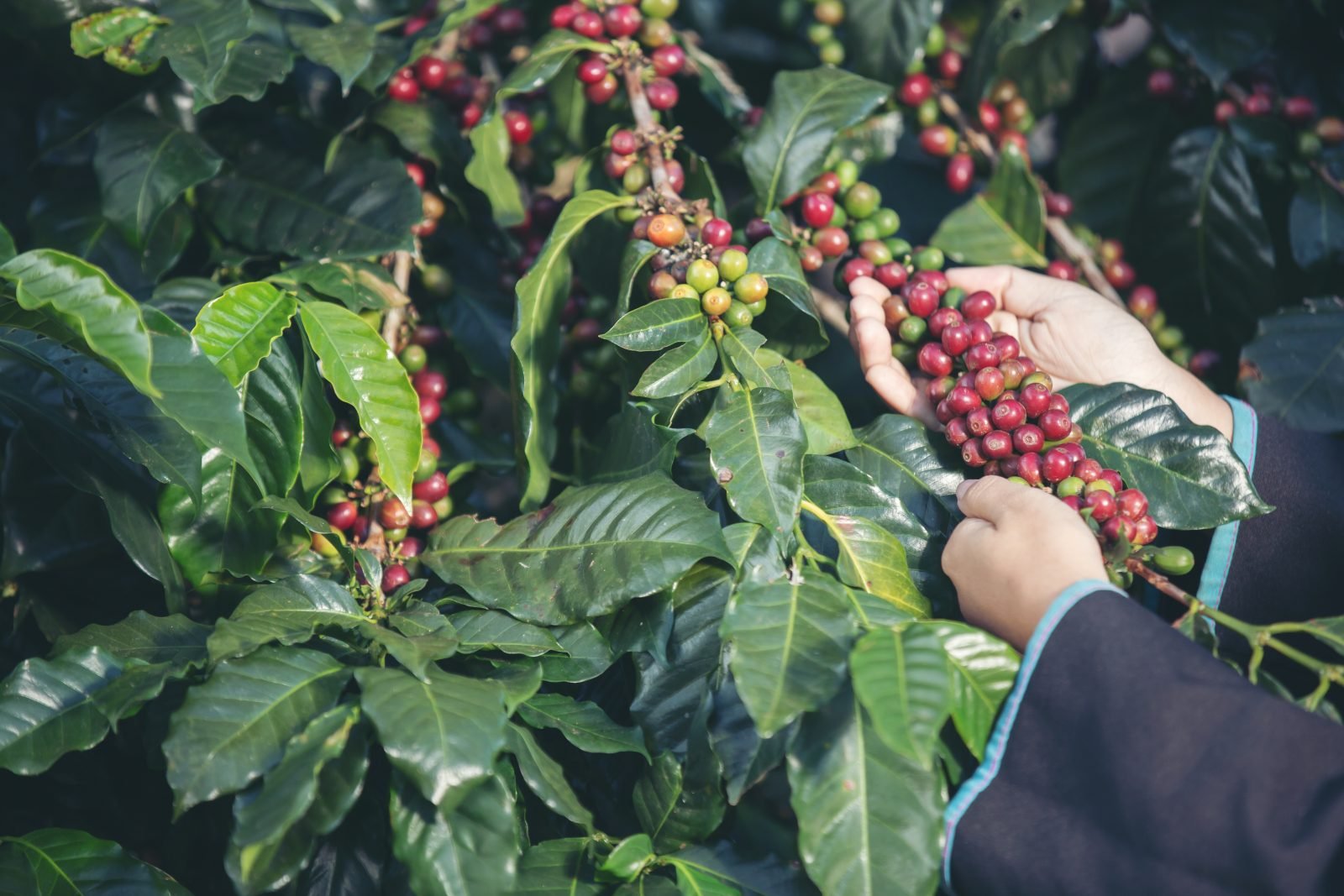
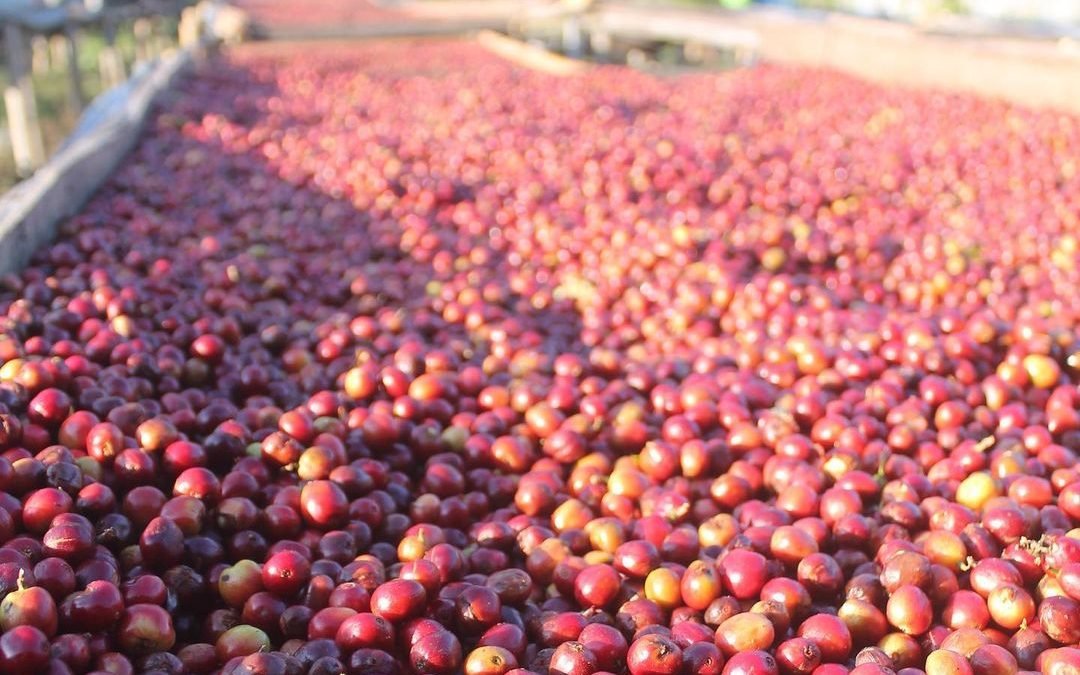
    Java Coffee

    Also Read: 10 Reasons Why Java Ijen Coffee is the Perfect Morning Brew

    What is Java Coffee?

    Java Coffee is coffee farmed and harvested on the Indonesian island of Java. It is well-known for its distinct flavors and historical significance in the coffee industry. Java was one of the first areas where coffee cultivation began, thanks to Dutch colonialists in the 17th century.

    Java coffee is frequently classified into many varieties based on the geographical locations of Java where it is grown and the processing processes utilized. Java Coffee comes in a variety of kinds, including Arabica and Robusta beans, each with its own flavor profile and features.

    Java coffee beans are influenced by the island’s distinctive climate, volcanic soil, and geographical factors, which contribute to the flavor richness of the coffee. Java Coffee’s flavors can range from mild and smooth to bold and intense, depending on factors such as bean variety, altitude, and processing procedures.

    Overall, Java Coffee has a particular place in the hearts of coffee lovers due to its rich history, diverse flavors, and legacy as one of the early pioneers in the worldwide coffee trade.

    Java Coffee

    Different Types of Java Coffee

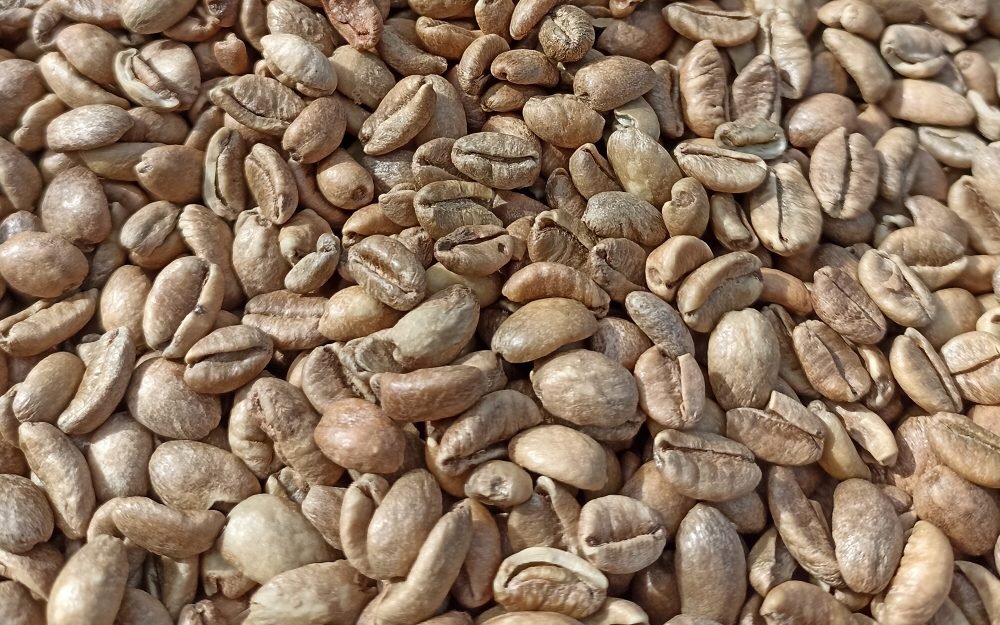
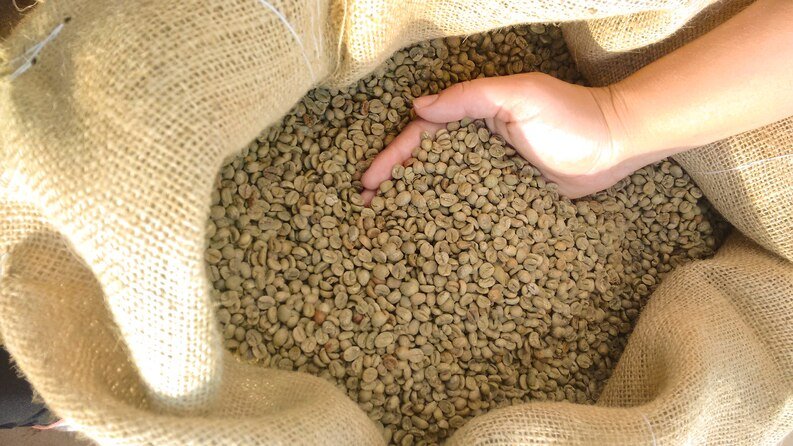
    Java Ijen Green Coffee Beans:

    aceh gayo grade 1

    In the highlands of East Java, Indonesia, thrives an exceptional and sought-after coffee variety known as Java Ijen. The unique combination of volcanic soil and favorable climate in this region gives rise to premium coffee beans imbued with distinctive flavors and aromas. The name of this coffee is inspired by the iconic Ijen volcano, renowned for its mesmerizing blue flames and turquoise sulfuric lake.

    Renowned among coffee aficionados, Java Ijen coffee boasts a flavor profile unlike any other, characterized by rich notes of dark chocolate, caramel, and subtle hints of citrus and floral undertones. The beans are carefully hand-selected and undergo meticulous cleaning and sun-drying processes.

    With its limited availability, Java Ijen has garnered a growing following as coffee enthusiasts worldwide seek to indulge in this unique and exotic brew. Today, Java Ijen coffee is relished by connoisseurs across the globe, standing proudly as one of Indonesia’s most exceptional specialty coffees.

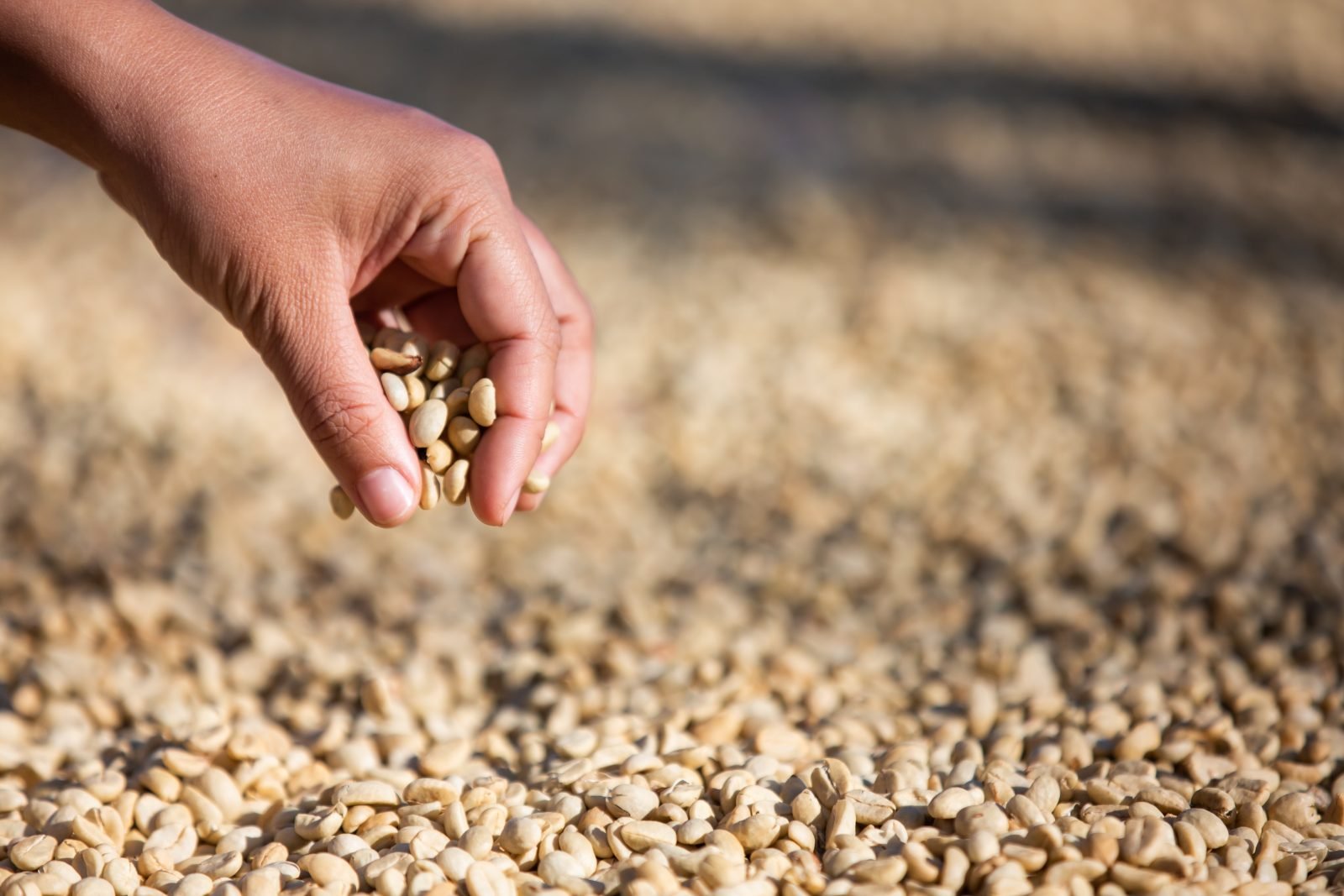
    Java Preanger Green Coffee Beans:

    java prenager

    Explore the excellence of green Arabica Java Preanger coffee beans, a prestigious variety originating from the renowned Preanger region in Java, Indonesia. These Arabica Java Preanger beans are celebrated for their exceptional attributes, distinct flavor profile, and historical significance, promising an exceptional coffee journey. Rooted in the fertile volcanic soil, elevated terrains, and favorable climate of Java, they encapsulate the heritage of Indonesian coffee.

    The Preanger region’s farmers adhere to a time-honored tradition and employ meticulous cultivation practices to ensure the utmost quality in their coffee production. The selection process involves the careful handpicking of mature trees, followed by a rigorous sorting process to curate only the finest beans.

    Central to the production process is sustainable and equitable principles, fostering environmental preservation and supporting local coffee farming communities. These Arabica Java Preanger beans exhibit a unique and intricate flavor profile, artfully capturing the essence of Java’s rich coffee legacy. With its velvety body, harmonious acidity, and delightful notes, it stands as a testament to Java’s captivating history and distinctive character.

    Indulging in Arabica Java Preanger coffee beans offers a glimpse into the finest offerings of Java, encapsulating a blend of coffee craftsmanship and historical richness in every cup, catering to both seasoned coffee enthusiasts and those intrigued by the allure of coffee’s past.

    Also Read: Why Indonesian Arabica Coffee is a Must-Try for Coffee Lovers

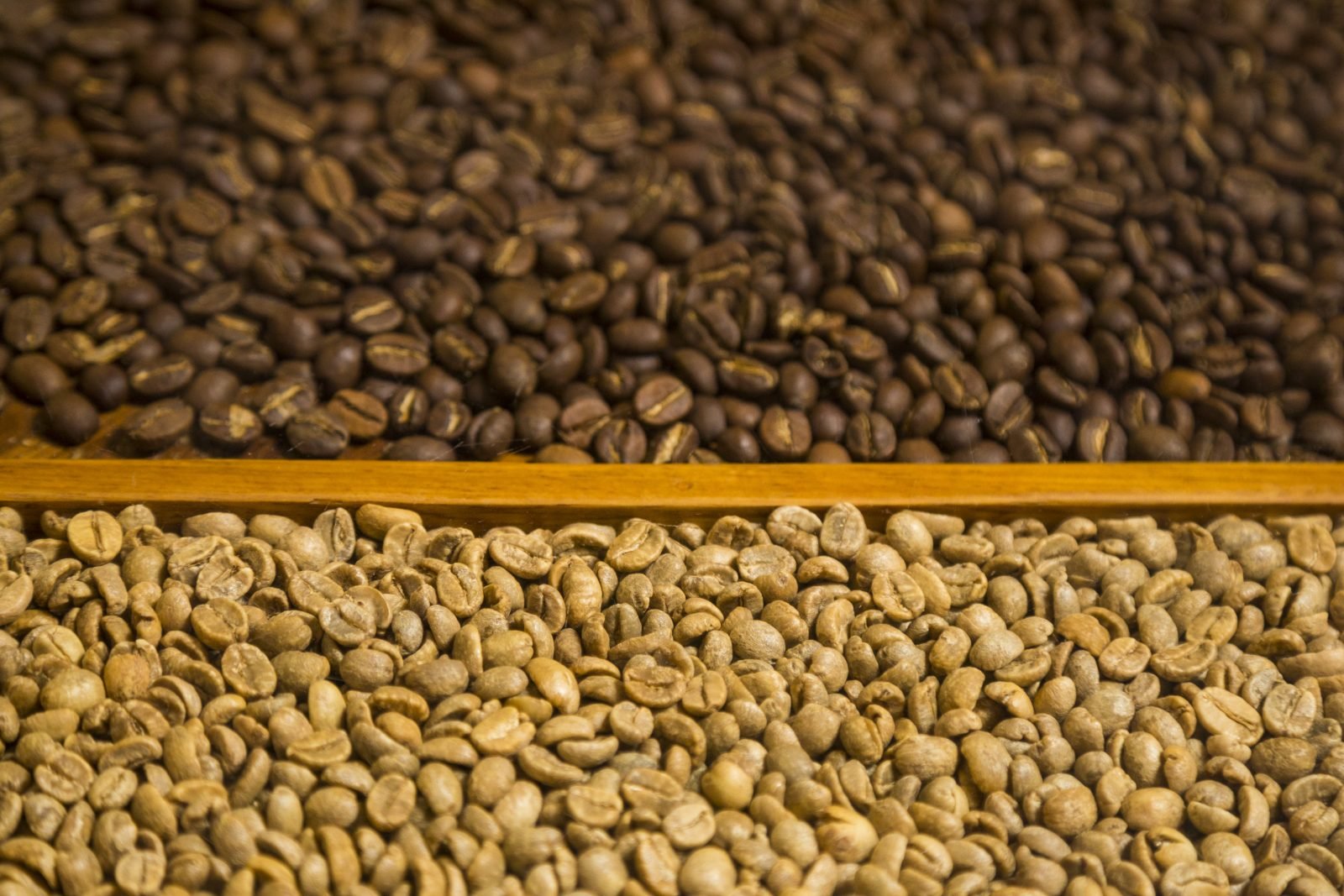
    Robusta Java Green Coffee Beans:

    Robusta Java green coffee beans represent a unique and robust coffee variety cultivated in the coffee-growing regions of Java, Indonesia. These beans are notable for their distinct characteristics, which set them apart from other coffee types. Robusta coffee, in general, is recognized for its bold flavor profile and higher caffeine content compared to Arabica coffee.

    Robusta Java green coffee beans thrive in the island’s fertile volcanic soil and favorable climatic conditions, contributing to their robust and vigorous nature. The beans are carefully harvested and processed to preserve their inherent qualities.

    Flavor Profile of Java Coffee

    The flavor profile of Java Coffee is a delightful combination of various tastes and aromatic elements that arise from its unique growing conditions, processing methods, and bean varieties. Here’s a breakdown of its flavor profile:

    1. Mild and Smooth: Java Coffee is known for its mild and smooth taste, characterized by a gentle acidity that is not overpowering. This quality makes it an approachable choice for a wide range of coffee enthusiasts.
    2. Chocolate Notes: Many varieties of Java Coffee exhibit distinct chocolatey undertones. You might find hints of dark chocolate, cocoa, or even milk chocolate, which contribute to a pleasant and comforting flavor.
    3. Nutty Nuances: Another prominent aspect of Java Coffee’s flavor profile is its nutty notes. These can range from subtle almond, and walnut hints to more pronounced flavors, adding depth and complexity to the brew.
    4. Floral Aroma: Some Java Coffee beans are known to carry a delicate floral aroma, adding a touch of elegance to the overall experience. These floral notes might be reminiscent of jasmine, lavender, or other blossoms.
    5. Subtle Citrus: A faint citrusy undertone can occasionally be detected in Java Coffee, providing a subtle zing that adds brightness to the cup. This element contributes to the overall balance of flavors.
    6. Earthy Undertones: Java Coffee’s connection to its volcanic soil is reflected in its earthy undertones. These notes can bring depth and a sense of terroir to the coffee’s flavor profile.
    7. Medium Body: Java Coffee often features a medium body, which refers to the sensation of weight and texture on the palate. This characteristic contributes to a satisfying mouthfeel.
    8. Balanced Acidity: The acidity in Java Coffee is usually well-balanced, not too sharp or overpowering. This balance allows for a pleasant and harmonious cup.
    9. Caramelized Sweetness: A touch of caramelized sweetness can be present in some Java Coffee varieties. This sweetness adds richness and depth to the overall flavor experience.
    10. Smooth Finish: Java Coffee tends to have a smooth and clean finish, leaving a lingering and pleasant aftertaste on the palate.

    In summary, Java Coffee’s flavor profile is a captivating medley of mildness, chocolate, nuts, florals, and earthy tones. Its balanced acidity and medium body contribute to a well-rounded and enjoyable cup of coffee. The unique combination of these characteristics reflects the island’s diverse growing conditions and the expertise of the coffee producers, making Java Coffee a cherished and sought-after choice among coffee enthusiasts.

    How to Brew Java Coffee

    Brew

    Brewing Java Coffee is a delightful process that allows you to unlock its unique flavors and aromas. Here’s a step-by-step guide to help you brew a delicious cup of Java Coffee:

    What You’ll Need:

    • Freshly roasted Java Coffee beans
    • Grinder (if using whole beans)
    • Filter (appropriate for your chosen brewing method)
    • Water
    • Brewing equipment (such as a drip coffee maker, French press, pour-over, or espresso machine)
    • Mug or coffee cup

    Steps:


    Choose Your Coffee Beans:
    Start with high-quality Java Coffee beans. Look for beans that are freshly roasted and suited to your preferred flavor profile.

    Measure Coffee:
    Measure your coffee beans according to your preferred coffee-to-water ratio. A general guideline is using about 1 to 2 tablespoons of coffee grounds for every 6 ounces (180 ml) of water.

    Grinding (if needed):
    If using whole beans, grind them just before brewing. For Java Coffee, a medium grind is often suitable for most brewing methods.

    Boil Water:
    Heat fresh, filtered water to the appropriate temperature for your chosen brewing method. For most methods, water temperature should be around 195-205°F (90-96°C).

    Pre-wet Filter:
    If using a pour-over or drip coffee maker, pre-wet the filter with hot water to remove any paper taste and warm the brewing vessel.

    Brewing Methods:

    • Pour-Over: Place the coffee grounds in the filter, then gradually pour hot water in a circular motion over the grounds. Allow the coffee to drip through the filter and into your cup.
    • French Press: Add the coffee grounds to the French press, then pour in hot water. Stir gently, place the lid with the plunger up, and let it steep for about 4 minutes. Press the plunger down slowly to separate the grounds from the brewed coffee.
    • Drip Coffee Maker: Follow the manufacturer’s instructions for your specific drip coffee maker. Add the appropriate amount of coffee grounds, add water to the reservoir, and start the brewing process.
    • Espresso Machine: If you have an espresso machine, grind your coffee to a fine consistency. Follow your machine’s instructions to extract a shot of espresso.

    Serve and Enjoy:
    Once brewed, pour the coffee into your mug or cup. Take a moment to appreciate the aroma before savoring each sip of your freshly brewed Java Coffee.

    Experiment and Adjust:
    The perfect cup of coffee is a matter of personal preference. Feel free to experiment with the coffee-to-water ratio, grind size, and brewing time to find your ideal balance of flavors.

    Remember that each brewing method may require specific adjustments, and the quality of your water and equipment can also impact the final result. With a bit of practice, you’ll be able to fine-tune your brewing technique to create a cup of Java Coffee that suits your taste perfectly.

    Also Read: Pour Over Coffee vs Drip: Which Brewing Method is Right for You?

    Where to Buy Java Coffee

    You can purchase Java Coffee from the website fnb.co.id. This platform offers a selection of high-quality Java Coffee beans that you can explore and order to enjoy the unique flavors and aromas of Java’s renowned coffee. Visit fnb.co.id to discover their range of coffee offerings and place your order to experience the rich heritage and exceptional taste of Java Coffee.

    Conclusion

    In conclusion, Java Coffee stands as a testament to Indonesia’s rich coffee heritage. With its diverse range of flavors, captivating history, and various brewing possibilities, Java Coffee offers a delightful journey for coffee enthusiasts. So, whether you’re a seasoned coffee connoisseur or a curious beginner, embarking on a quest to discover the world of Java Coffee is a voyage worth savoring.

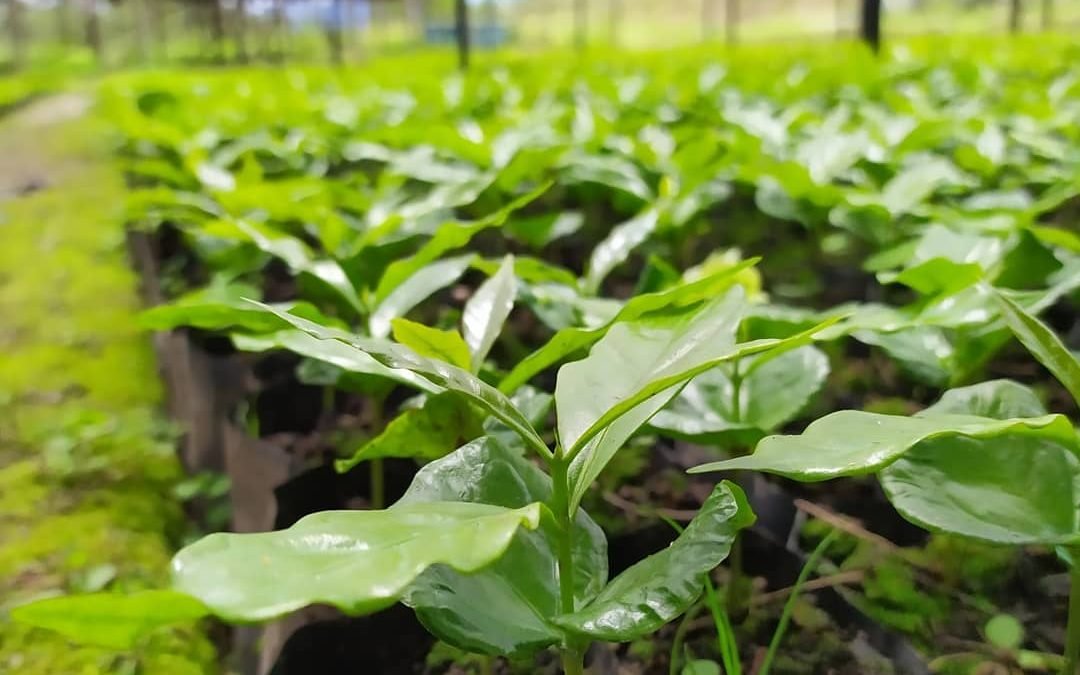
  • From Farm to Cup: The Journey of Lampung Robusta Coffee

    From Farm to Cup: The Journey of Lampung Robusta Coffee

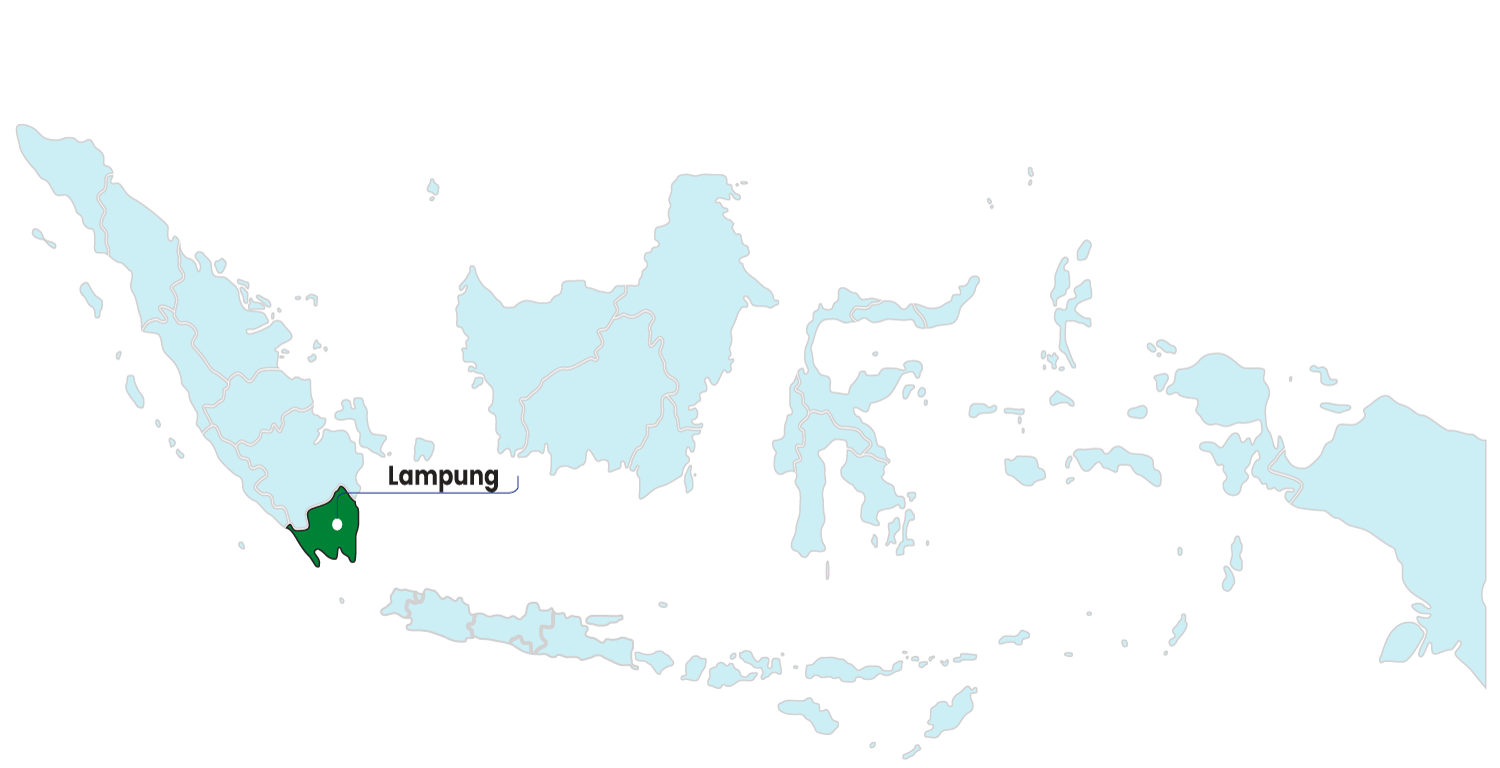
    Get ready to embark on a captivating journey from farm to cup as we explore the fascinating world of Lampung Robusta Coffee. From the lush green plantations of Lampung, Indonesia, to the comforting aroma that fills your favorite coffee shop, this humble bean has quite the story to tell. Join us as we delve into the meticulous process of cultivation, harvesting, and processing that transforms these coffee cherries into a rich and flavorful brew.

    lampung robusta coffee

    Discover the unique characteristics that set Robusta Coffee apart, and uncover the secrets behind its exceptional taste and robust body. Whether you’re a coffee connoisseur or simply someone who appreciates a good cup of joe, this illuminating adventure will leave you craving for more. So sit back, grab your favorite mug, and prepare to sip your way through the enchanting journey of Lampung Robusta Coffee.

    Also Read: Robusta vs Arabica Coffee Beans: What Sets Them Apart?

    The History of Lampung Robusta Coffee

    lampung robusta coffee

    Lampung Robusta Coffee has a rich history that dates back centuries. It was first introduced to the Lampung region of Indonesia during the Dutch colonial era. The fertile volcanic soil and ideal climate provided the perfect conditions for coffee cultivation, and Lampung quickly became known for its high-quality beans. Over the years, the cultivation techniques and processing methods have been passed down from generation to generation, ensuring that the tradition of producing exceptional coffee continues to thrive in Lampung.

    The Growing and Harvesting Process

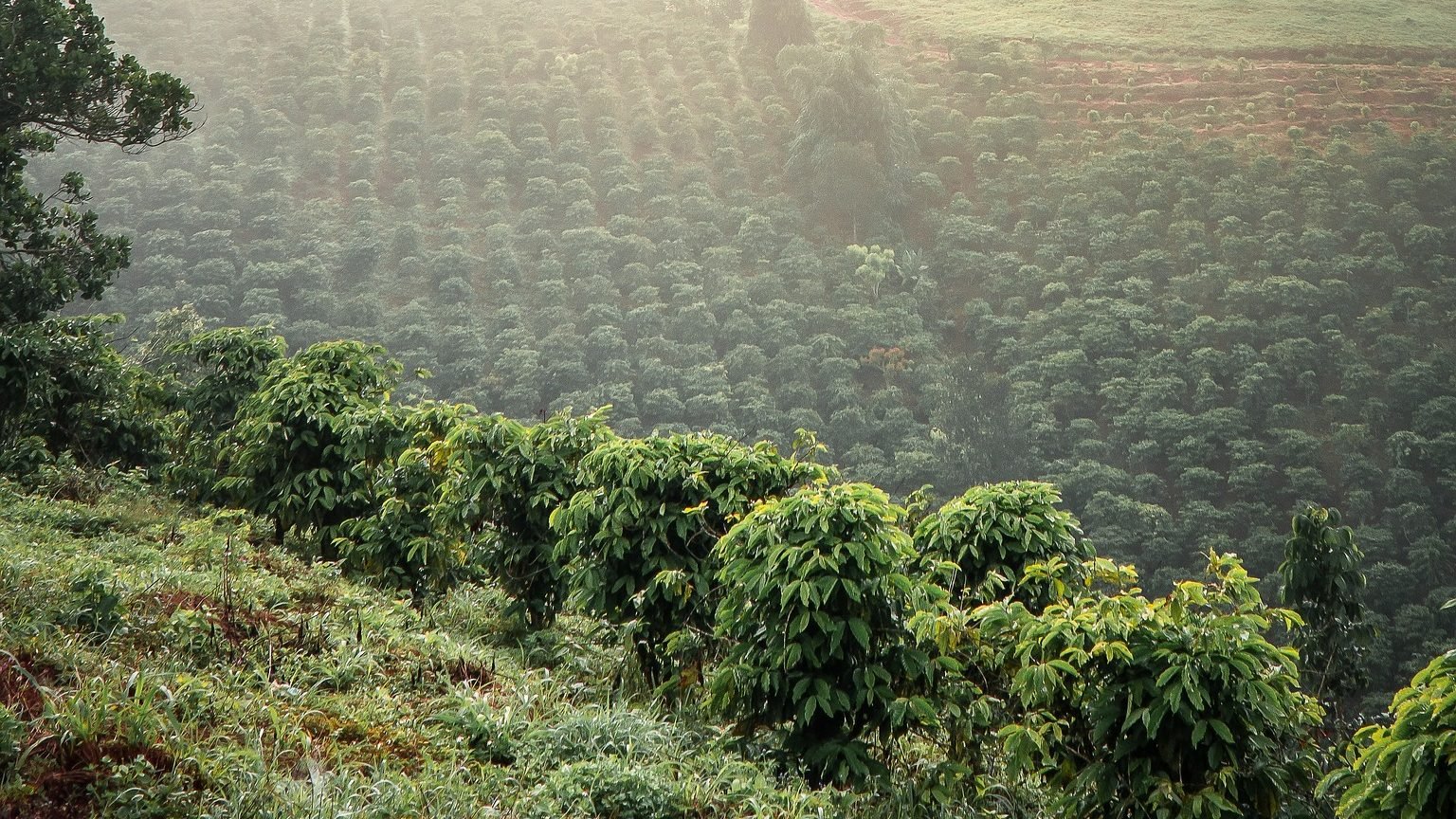
    The journey of Lampung Robusta Coffee begins on the sprawling coffee plantations of Lampung. The coffee trees are meticulously cared for by skilled farmers who understand the importance of nurturing the plants for optimal growth. These farmers employ sustainable farming practices, ensuring that the coffee cherries are grown in harmony with the environment.

    Once the coffee cherries are ripe and ready to be harvested, the farmers carefully handpick each cherry to ensure only the best ones are selected. This labor-intensive process requires precision and expertise, as the farmers must determine the perfect moment to pick the cherries to achieve the desired flavor profile. The cherries are then sorted and separated before being transported to the processing facilities.

    Processing and Roasting Lampung Robusta Coffee Beans

    Upon reaching the processing facilities, the coffee cherries undergo a meticulous process to transform them into the beans we know and love. The first step is to remove the outer skin and pulp from the cherries, leaving behind the coffee beans. This process, known as pulping, can be done using traditional methods or modern machinery, depending on the preferences of the farmers.

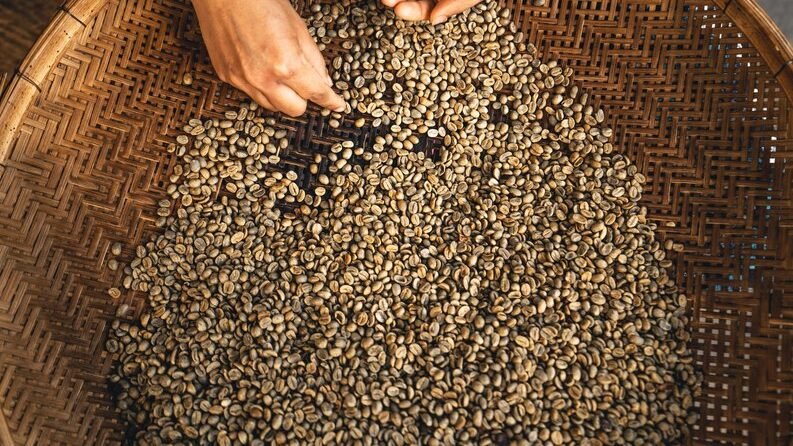
    After pulping, the coffee beans are left to ferment for a specific period of time. This fermentation process enhances the flavors and removes any remaining mucilage from the beans. Once fermentation is complete, the beans are thoroughly washed and dried under the sun. This drying process is crucial in ensuring the beans reach the optimal moisture content for storage and roasting.

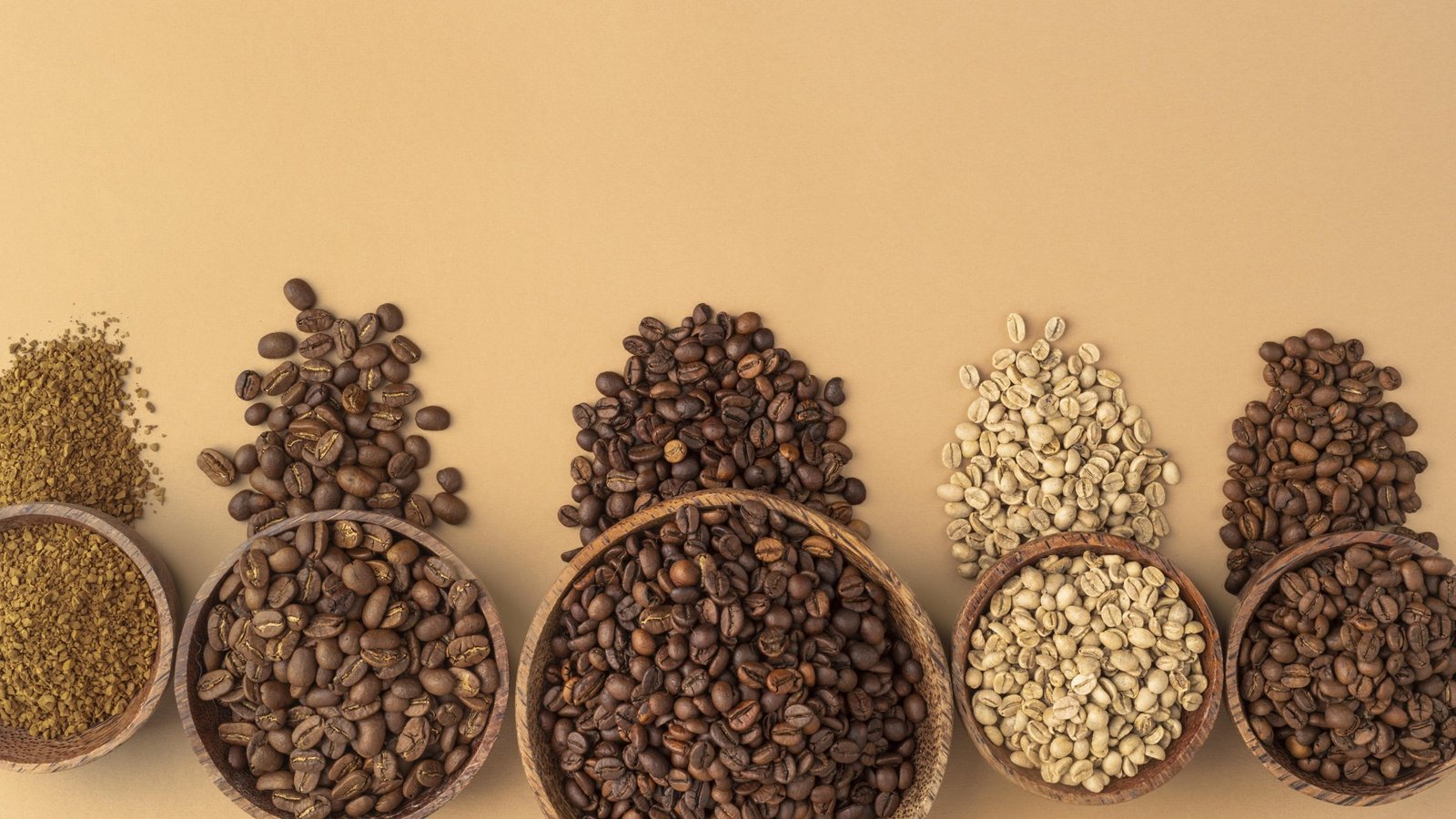
    Once the beans are dried, they are sorted and graded based on size, density, and quality. The highest-quality beans are carefully selected for roasting, while the lower-grade beans may be used for other purposes such as instant coffee or coffee blends. Lampung Coffee is known for its bold flavor and robust body, which is achieved through a carefully controlled roasting process. The beans are roasted to perfection, unlocking their full potential and creating a rich and aromatic brew.

    Also Read: Be The Master! 4 Coffee Roasting Levels Chart: W/ Image & Guide

    Tasting Notes and Flavor Profiles of Lampung Robusta Coffee

    This Coffee offers a unique flavor profile that sets it apart from other coffee varieties. With its bold and robust character, this coffee is perfect for those who prefer a strong and full-bodied brew. The flavor notes of Robusta Coffee often include dark chocolate, caramel, and hints of spices, creating a complex and satisfying taste experience. The coffee also exhibits a pleasant acidity that balances out the richness, resulting in a well-rounded and enjoyable cup.

    The Role of Sustainable Farming in Lampung Robusta Coffee Production

    Sustainable farming practices play a crucial role in the production of Lampung Robusta Coffee. The farmers in Lampung understand the importance of preserving the environment and maintaining the long-term viability of their coffee plantations. They employ methods such as organic fertilization, natural pest control, and water conservation techniques to minimize their ecological footprint.

    lampung robusta coffee

    By prioritizing sustainability, Lampung farmers ensure that the coffee they produce is not only of the highest quality but also contributes to the well-being of the local ecosystem. This commitment to sustainable farming practices not only benefits the environment but also enhances the overall flavor and aroma of Lampung Robusta Coffee.

    The Impact of Lampung Robusta Coffee on the Local Economy

    Lampung Robusta Coffee plays a significant role in the local economy of the region. The coffee industry provides employment opportunities for thousands of people, from farmers and harvesters to processing plant workers and exporters. The economic impact extends beyond the coffee sector, as the revenue generated from coffee sales supports various industries and businesses in Lampung.

    Furthermore, Lampung Robusta Coffee has gained recognition internationally, attracting coffee lovers from around the world. This increased demand for Lampung coffee has led to a boost in tourism, with visitors eager to explore the coffee plantations and experience the unique flavors of the region. As a result, the local economy continues to flourish, providing a better quality of life for the people of Lampung.

    The Rise of Lampung Robusta Coffee in the Global Market

    In recent years, Lampung Robusta Coffee has gained significant recognition in the global market. Coffee enthusiasts and connoisseurs have come to appreciate the unique flavor profile and exceptional quality of Lampung coffee. This increased demand has led to Lampung Robusta Coffee being exported to various countries, further establishing its reputation as a premium coffee variety.

    Coffee shops and specialty cafes around the world now proudly serve Lampung Robusta Coffee, showcasing its distinctive flavors to a global audience. The rise of Lampung coffee in the global market has not only brought recognition to the region but also provided economic opportunities for the farmers and communities of Lampung.

    Also Read: C Market Coffee: The Economics Behind Your Daily Cup of Joe

    Where to Buy and Enjoy Lampung Robusta Coffee

    If you’re eager to experience the rich flavors of Lampung Robusta Coffee, you’ll be pleased to know that it is readily available for purchase. Many specialty coffee retailers and online platforms offer a wide selection of Lampung coffee beans, allowing you to brew your own delicious cup at home. Additionally, coffee shops and cafes that prioritize quality and variety often feature Lampung Robusta Coffee on their menus, giving you the opportunity to savor this exceptional brew in a cozy and inviting atmosphere.

    Conclusion: Appreciating the Journey of Lampung Robusta Coffee

    As we conclude our journey from farm to cup, we hope you’ve gained a deeper appreciation for the remarkable journey of Lampung Robusta Coffee. From the rich history and meticulous cultivation process to the exceptional flavors and impact on the local economy, Lampung coffee has truly made its mark in the world of coffee. So the next time you take a sip of your favorite Lampung Robusta brew, remember the hard work and dedication that went into every single bean. Cheers to the enchanting journey of Lampung Robusta Coffee!

  • A Comprehensive Guide to Espresso Drinks: Exploring the World of Coffee Delights

    A Comprehensive Guide to Espresso Drinks: Exploring the World of Coffee Delights

    If you’re a coffee enthusiast, you probably understand that the world of espresso drinks can be quite complex and exciting. From the intense and concentrated flavors of black coffee to the creamy delights of milk coffee, there’s a vast array of options to satisfy every coffee lover’s taste buds. In this article, we will take you on a journey through the various espresso drinks, discussing their preparation, unique characteristics, and popularity.

    espresso drinks

    Also Read: Unroasted Green Coffee Beans: Better Tasting Espresso

    Exploring Black Coffee Espresso Drinks

    Single Espresso – The Essence of Coffee Intensity

    The Single Espresso stands as the pinnacle of coffee intensity, boasting unmatched richness and depth in the world of coffee. Crafted with precision and skill, this concentrated elixir captivates the senses with every sip. The barista’s artistry comes to life as they weigh and tamp the finely ground coffee, ensuring a perfect extraction.

    As the hot water flows through the grounds under pressure, the result is a bold and velvety brew graced with notes of dark chocolate, caramel, and nutty nuances. Each gentle stir before sipping harmonizes the layers, awakening the palate to an array of flavors that linger long after the last sip.

    For true coffee aficionados, the Single Espresso is more than a beverage—it’s a cherished ritual, a moment to savor the mastery of coffee-making. With its allure and complexity, this extraordinary shot embodies the essence of coffee culture. So, whenever you crave the finest coffee intensity, indulge in the timeless pleasure of a Single Espresso—a treasured favorite for connoisseurs around the globe.

    espresso drinks
    • Served in a small cup, Single Espresso offers a rich and smooth taste.
    • Typically, two espresso shots are produced simultaneously from one spout.
    • The volume of a Single Espresso ranges from 20 to 30 milliliters (ml) or grams, with 21 grams being a common measurement.
    • Before sipping, it’s advisable to stir the espresso to ensure all layers mix harmoniously.

    Double Espresso – More Kick, Same Intensity

    For a bolder coffee experience without compromising intensity, the Double Espresso is the perfect choice. With twice the caffeine punch of a Single Espresso, this concentrated shot boasts rich flavors and a velvety texture. Ideal for those seeking an energizing pick-me-up, the Double Espresso remains a timeless favorite in the world of coffee.

    Crafted using the same precision and artistry as its single counterpart, the Double Espresso starts with finely ground coffee beans carefully measured, usually around 21 grams. The barista tamps the coffee grounds evenly in the portafilter, creating the ideal foundation for extraction.

    As the espresso machine unleashes its powerful force, hot water flows through the compacted grounds at high pressure, extracting the essence of the coffee beans. The result? Two shots of concentrated coffee, each typically measuring around 20 to 30 milliliters.

    espresso drinks
    • For those seeking a slightly larger serving without compromising intensity, Double Espresso or Espresso Doppio is the go-to choice.
    • It follows the same recipe as Single Espresso but uses a bigger cup. Often the one used for Cappuccinos.
    • Ordering a Double Espresso can sometimes be more cost-effective than two Single Espressos.

    Americano – A Diluted Delight

    For coffee enthusiasts seeking a milder yet satisfying experience, the Americano is the go-to choice. Crafted by diluting a shot of Espresso with hot water, this beverage retains the delightful characteristics of Espresso while offering a more approachable intensity. Served in a larger cup, the Americano provides a smooth and balanced flavor profile that captivates the palate. Whether enjoyed in the morning or as an afternoon indulgence, this diluted delight remains a popular favorite among coffee lovers worldwide.

    espresso drinks
    • For those who prefer a milder coffee experience, Americano is an excellent choice.
    • It involves adding 100 to 120ml of hot water to an Espresso shot, resulting in a less intense but flavorful drink.

    Lungo – The Longer Espresso

    For those who crave a longer and more leisurely coffee experience, the Lungo is the perfect choice. This extended version of Espresso is achieved by adjusting the grind or adding extra hot water, resulting in a larger shot, typically around 30 to 40 grams. The Lungo maintains the rich flavor characteristics of Espresso but offers a milder and more diluted taste, allowing coffee enthusiasts to savor the essence of coffee over a more extended period. Whether enjoyed on its own or blended with milk, the Lungo offers a delightful and versatile coffee experience that caters to varying preferences.

    espresso drinks
    • Lungo offers a longer and less intense Espresso experience.
    • It can be achieved by adjusting the grinder and running a longer shot or by adding extra hot water to a regular Espresso.
    • The customer can dilute it according to their preferred taste.

    Filter Coffee – A Non-Espresso Black Option

    For those who prefer a black coffee alternative to espresso-based drinks, the Filter Coffee is the perfect choice. Unlike espresso, this method involves brewing coffee by hand or using a batch brewer, resulting in a more refined and less intense flavor profile. Served in a larger cup, Filter Coffee offers a satisfying and enjoyable coffee experience for those seeking a big cup of rich and flavorful black coffee. As it cools down, the flavors develop and evolve, making every sip a delightful journey into the world of coffee enjoyment. Whether savored in the morning or as a comforting afternoon treat, Filter Coffee remains a beloved option among coffee enthusiasts seeking a non-espresso experience.

    • Though not produced with an espresso machine, Filter Coffee or Batch Brew is a great alternative for those desiring a larger cup of black coffee.
    • It provides a more refined and less intense flavor, which evolves as the coffee cools down.

    Also Read: Perfect Me Time! 4 The Best Way to Enjoy Coffee

    Indulging in Milk Coffee Espresso Drinks

    Cappuccino – A Global Favorite

    Among the wide variety of coffee beverages, the Cappuccino stands out as a timeless and beloved classic that is cherished by coffee enthusiasts all over the world. This iconic coffee drink combines a single shot of Espresso with delicately frothed milk, creating a delightful balance of flavors.

    The key to crafting a perfect Cappuccino lies in achieving the ideal ratio between coffee and milk, typically around 1:6 or 1:7. Baristas skillfully steam and froth the milk to create a creamy and velvety texture while the bold flavors of the espresso shine through with each sip.

    Whether enjoyed as a morning ritual or a comforting afternoon indulgence, the Cappuccino holds a special place in the hearts of coffee lovers everywhere. With its rich flavor, creamy texture, and enticing aroma, it remains an enduring favorite that unites coffee enthusiasts across cultures and continents.

    espresso drinks
    • Perhaps the most beloved coffee drink worldwide, Cappuccino combines a single shot of Espresso with foamed milk.
    • The ratio of coffee to milk may vary between cafes and the size of their cups.
    • The artful latte designs created by skilled baristas add to the charm of this beverage.

    Espresso Macchiato – A Dash of Milk

    For coffee enthusiasts who appreciate a bold shot of Espresso with a touch of milk, the Espresso Macchiato is the perfect choice. This delightful coffee drink is served in a small espresso cup, where a single shot of Espresso is artfully mixed with just a little bit of frothed milk.

    The Espresso Macchiato offers a wonderful balance between the intensity of Espresso and the smoothness of milk, creating a harmonious and satisfying coffee experience. It is the perfect choice for those who desire a gentle variation of the classic Espresso, allowing them to appreciate the richness of the coffee with a hint of milk.

    espresso drinks
    • For those seeking a stronger coffee taste with a touch of milk, Espresso Macchiato is a delightful option.
    • Served in a small espresso cup, it features a single shot of Espresso mixed with a small amount of foamed milk, usually with a 1:1 or 1:2 ratio.

    Cortado or Piccolo – A Petite Milk Espresso

    Cortado or Piccolo, often used interchangeably, is a delightful and petite milk espresso drink that has gained popularity among coffee enthusiasts. This charming beverage blends a single shot of Espresso with a small amount of steamed milk, resulting in a balanced and mellow flavor profile. The Cortado or Piccolo is served in a glass cup, allowing the beautiful contrast between coffee and milk to be admired. This petite milk espresso is perfect for those seeking a lighter coffee experience without sacrificing the rich essence of a well-crafted Espresso.

    The Cortado or Piccolo is cherished for its versatility and adaptability. Its smaller size makes it an ideal choice for those who prefer a more concentrated coffee but with a hint of milk. The drink’s name, “Cortado,” originates from the Spanish word “cortar,” meaning “to cut,” which refers to the milk “cutting” through the Espresso. In contrast, “Piccolo” is an Italian word meaning “small” or “little,” reflecting its petite nature. Whichever name it goes by, the Cortado or Piccolo offers a delightful balance of flavors, making it a favored choice for coffee enthusiasts seeking a delightful and refined milk espresso experience.

    espresso drinks
    • Cortado or Piccolo is a small milk espresso drink often served in a glass cup.
    • It blends a single shot of Espresso with a moderate amount of foamed milk, typically in a 1:4 ratio.

    Flat White – A Kiwi Specialty

    Originally hailing from New Zealand and Australia, the Flat White has become a beloved specialty coffee drink cherished by coffee enthusiasts worldwide. This exquisite coffee concoction combines a double shot of Espresso with a velvety microfoam milk texture, creating a smooth and creamy delight that tantalizes the taste buds.

    The Flat White’s popularity has extended beyond its birthplace, finding its place in coffee shops worldwide. Its ability to cater to both black coffee and milk coffee enthusiasts makes it a versatile choice. Whether served in a small cup or a larger mug, the Flat White is celebrated for its smoothness and simplicity, making it a delightful specialty that coffee aficionados continue to relish and appreciate.

    • Originating from Australia and New Zealand, Flat White is a popular Espresso milk drink.
    • It combines a double shot of Espresso with foamed milk in a cup similar to a Cappuccino but slightly smaller.
    • Flat White offers a stronger coffee kick and more coffee flavor than a Cortado.

    Caffé Latte – Embracing the Milkiness

    Caffé Latte, often simply referred to as a Latte, is a coffee indulgence that celebrates the art of embracing milkiness. This beloved coffee drink is created by combining a single shot of Espresso with steamed milk, resulting in a creamy and luxurious experience for coffee enthusiasts.

    Caffé Latte is enjoyed in a relatively large cup, allowing coffee lovers to savor every delightful sip of this milk-forward indulgence. Its mild and comforting nature makes it a perfect choice for those seeking a rich and satisfying coffee experience with a creamy twist. Whether relished as a morning ritual or a soothing afternoon treat, Caffé Latte remains a timeless favorite that captures the essence of embracing milkiness in coffee culture.

    espresso drinks
    • If you prefer a milky and less intense coffee experience, Caffé Latte is the perfect choice.
    • Served in a relatively large cup, it mixes a single shot of Espresso with foamed milk, typically in a 1:14 ratio.

    Also Read: Pour Over Coffee vs Drip: Which Brewing Method is Right for You?

    Conclusion

    Whether you’re a coffee connoisseur or a curious beginner, exploring the world of espresso drinks is a delightful journey. Each coffee drink offers a unique taste profile and provides a wide range of options to suit your preferences. Enjoy your coffee journey and savor every delightful sip!

  • A Tasting Adventure: Exploring the 4 Coffee Bean Varieties

    A Tasting Adventure: Exploring the 4 Coffee Bean Varieties

    coffee bean varieties

    Coffee enthusiasts frequently enjoy a cup of their favorite brew first thing in the morning without giving much thought to the origin and qualities of the coffee beans used. Understanding the many coffee bean varieties, on the other hand, can increase your appreciation for the beverage and assist you in selecting the best beans for your preferred flavor profile. We will look at the four basic types of coffee beans in this article: Arabica, Robusta, Liberica, and Excelsa. Each variety has its own distinct set of traits, flavor profiles, and growing circumstances. So, let us explore the world of coffee beans!

    Also Read: 5 Reasons Why Should Drink the Best Green Coffee Beans

    How Many Coffee Bean Varieties Are There?

    You’re not alone if you’ve ever wondered how many coffee bean varieties different there are. Arabica, Robusta, Liberica, and Excelsa are the four essential coffee bean varieties. The taste, popularity, and growing requirements of these beans vary, making each variety distinct and intriguing.

    Arabica Coffee Beans

    coffee bean varieties

    Arabica beans account for over 60% of global coffee output and so dominate global coffee consumption. These beans are thought to be the earliest coffee beans ever drank, having originated thousands of years ago in the Ethiopian highlands. Arabica gets its name from its prominence in 7th-century Arabia (modern-day Yemen).

    Arabica beans are well-known for their outstanding flavor and are favoured by many upmarket coffee companies. Arabica beans require shade, plenty of water, and high altitudes to thrive. Arabica plants require a minimum elevation of roughly 2,000 feet because they are more sensitive to crop diseases. These plants are tiny, reaching a height of 8 to 15 feet. Arabica beans have a smooth, rich flavor that varies depending on the production region, from earthy Indonesian to fragrant Ethiopian.

    Robusta Coffee Beans

    coffee bean varieties

    Robusta beans are the second most commonly grown coffee beans and are primarily cultivated in Africa and Indonesia. They have gained popularity in Vietnam and are often included in coffee blends. Robusta beans are larger and rounder compared to other types of coffee beans. The plants themselves grow taller, reaching heights between 15 and 20 feet.

    Robusta beans are known for their resilience, as they can grow at lower elevations and are more resistant to crop diseases. However, they are often perceived as more bitter and have a higher caffeine content than Arabica beans. While specialty coffee enthusiasts may have a preference for Arabica, exploring Robusta beans can offer a unique coffee experience.

    Also Read: 8 Types of Coffee Beans in Indonesia, Unique & You Must Try!

    Liberica Coffee Beans

    coffee bean varieties

    Liberica, named after Liberia in central and western Africa, is a coffee bean variety highly regarded for its pungent flowery scent and robust, smoky flavor. Liberica beans are typically larger and have an irregular shape, resembling Robusta beans in size and appearance due to their origin from larger coffee plants.

    The Liberica plant thrives in hot and muggy weather and grows well at low elevations. Currently, Liberica beans account for approximately 2% of the world’s coffee production and are primarily grown in Indonesia, Malaysia, and the Philippines. However, it is relatively rare to find Liberica beans in North America. Liberica coffee has a divisive reputation among coffee enthusiasts due to its wildly inconsistent flavor. Some love its nutty, woody flavor with a subtle aftertaste, while others find it less appealing.

    Excelsa Coffee Beans

    coffee bean varieties

    Excelsa beans were previously categorized as a distinct coffee species but have now been recognized as a variation of Liberica. These elongated oval-shaped beans are predominantly grown in Southeast Asia and can be found on large coffee plants reaching heights of up to 30 feet.

    Excelsa beans offer a unique taste profile that blends dark roast flavors with characteristics of light roasts, such as acidic notes and fruity flavors. They have a distinct depth of flavor, lower fragrance, and caffeine content.

    Choosing the Right Coffee Bean Varieties

    Several variables must be considered while selecting the best coffee bean for your daily cup. Choose 100% Arabica beans if you want the best flavor and don’t mind paying a bit more. Many upmarket coffee brands utilize these beans because they have a smooth and rich flavor.

    Consider Robusta or a blend of Arabica and Robusta if you’re on a budget or prefer a higher caffeine level. However, be warned that the drink may be bitterer than usual. Liberica or Excelsa beans can be fantastic selections for individuals looking for a distinctive and rare experience. Keep in mind that discovering these beans may necessitate a more thorough search.

    Conclusion: Exploring the 4 Coffee Bean Varieties

    Understanding the different types of coffee beans allows coffee enthusiasts to expand their knowledge and appreciate the diverse flavors and characteristics each variety offers. Arabica, Robusta, Liberica, and Excelsa beans each have their unique attributes, taste profiles, and growing requirements. Whether you prefer the smoothness of Arabica, the resilience of Robusta, the robustness of Liberica, or the distinctiveness of Excelsa, there is a coffee bean variety to suit every palate. So, explore and savor the world of coffee beans, and choose the one that entices your taste buds.

  • Unroasted Coffee Beans: Health Benefits & Why Try Them

    Unroasted Coffee Beans: Health Benefits & Why Try Them

    unroasted coffee bg

    Coffee is one of the world’s most popular beverages, but have you tasted unroasted coffee beans, commonly known as “green coffee beans“? These beans have recently acquired popularity due to their possible health advantages. They are thought to help with weight loss, metabolism, blood pressure control, and cognitive function. What distinguishes them is their distinct flavor profile – a grassy, slightly bitter taste that some people appreciate.

    Unroasted coffee beans are also versatile, making them perfect for a variety of recipes such as smoothies and baked products. By investigating this alternative kind of coffee, you can discover a new way to enjoy its flavor while perhaps reaping health benefits. Consider trying coffee beans for a unique coffee experience with potential health benefits.

    Also Read: Unroasted Green Coffee Beans: Better Tasting Espresso

    Health benefits of unroasted coffee beans

    This coffee Bean contains many beneficial compounds that are destroyed during the roasting process. This is why they are considered to be healthier than roasted coffee beans. Some of the health benefits of unroasted coffee beans are:

    Antioxidants in unroasted coffee beans

    These coffee beans are rich in antioxidants, which help to protect the body from damage caused by free radicals. Antioxidants are important because they can help to prevent a variety of diseases, including cancer. In fact, unroasted coffee beans have been found to contain more antioxidants than roasted coffee beans.

    Chlorogenic acid in unroasted coffee beans

    Chlorogenic acid is a compound found in coffee beans that has been linked to many health benefits. This compound has been shown to help with weight loss, lower blood pressure, and improve brain function. Chlorogenic acid works by inhibiting the absorption of carbohydrates, which can help to reduce blood sugar spikes after meals.

    Unroasted coffee beans for weight loss

    These coffee beans have been found to help with weight loss. This is because they contain chlorogenic acid, which has been shown to inhibit the absorption of carbohydrates. When carbohydrates are not absorbed, they are excreted from the body instead of being stored as fat. In addition to this, these coffee beans can also help to boost metabolism, which can further aid in weight loss.

    Comparison between roasted and unroasted coffee beans

    unroasted coffee beans

    Roasted and unroasted coffee beans have distinct characteristics that set them apart. Here’s a comparison between the two:

    • Flavor – Roasted coffee beans have a rich, complex flavor profile with notes of chocolate, caramel, and various other flavors depending on the roast level. On the other hand, unroasted coffee beans have a grassy, slightly bitter taste with herbal and earthy undertones.
    • Aroma – Roasted coffee beans produce a fragrant aroma, often described as nutty, toasty, or even fruity, depending on the roast. Unroasted coffee beans have a more subtle and raw aroma.
    • Caffeine Content – Unroasted coffee beans generally have a higher caffeine content compared to their roasted counterparts. The roasting process causes some of the caffeine to be lost, so if you’re looking for a stronger caffeine kick, unroasted beans might be the way to go.
    • Shelf Life – Roasted coffee beans have a longer shelf life compared to unroasted beans. The roasting process helps to stabilize the beans and preserve their flavor for an extended period. Unroasted beans, however, are more perishable and can lose their freshness relatively quickly.
    • Health Benefits – While roasted coffee is known for its antioxidant properties and potential health benefits, unroasted coffee beans, or green coffee beans, are believed to have higher levels of certain beneficial compounds. These include chlorogenic acid, which may aid in weight loss, blood sugar regulation, and other health benefits.

    Ultimately, the choice between roasted and unroasted beans comes down to personal preference, desired flavor profile, and specific health goals. Roasted beans offer a wide range of flavors and aromas, while unroasted beans provide a unique taste and potentially higher levels of certain beneficial compounds.

    Also Read: Be The Master! 4 Coffee Roasting Levels Chart: W/ Image & Guide

    How to make unroasted coffee

    unroasted coffee beans

    Making unroasted coffee is easy. All you need is a coffee grinder, a French press, and some unroasted coffee beans. Here’s how to do it:

    1. Grind the unroasted coffee beans in a coffee grinder.
    2. Add the ground coffee to the French press.
    3. Pour hot water over the coffee.
    4. Let the coffee steep for 3-4 minutes.
    5. Press down the plunger on the French press.
    6. Pour the coffee into a cup and enjoy!

    Where to buy unroasted coffee beans

    Unroasted coffee beans can be purchased from specialty coffee shops and online retailers. When purchasing unroasted coffee beans, it’s important to make sure that they are of good quality and have been ethically sourced.

    Risks and precautions

    Consuming unroasted coffee beans, or green coffee beans, may carry certain risks and precautions that you should be aware of:

    High caffeine content – Green Coffee beans generally contain higher levels of caffeine compared to roasted beans. Excessive consumption of caffeine can lead to side effects such as restlessness, increased heart rate, anxiety, digestive issues, and difficulty sleeping. It is important to moderate your intake and be aware of your caffeine sensitivity.

    Potential interactions with medications – Green coffee beans may interact with certain medications, including those for diabetes, blood pressure, and psychiatric disorders. The high levels of chlorogenic acid in unroasted beans can affect the absorption and metabolism of these medications. It is advisable to consult with your healthcare provider before consuming green coffee beans if you are taking any medications.

    Allergic reactions – Some individuals may be allergic to components present in coffee beans, both roasted and unroasted. If you have a known allergy to coffee or experience symptoms like itching, swelling, hives, or difficulty breathing after consuming coffee, it is best to avoid unprocessed coffee beans.

    Quality and contamination concerns – Green coffee beans can be susceptible to mold, fungi, and other contaminants. It is essential to ensure that you source your beans from reputable suppliers who follow proper quality control measures. Moldy or contaminated beans can pose health risks if consumed.

    Digestive issues – Unprocessed coffee beans contain higher amounts of certain compounds, such as chlorogenic acid, that can have a laxative effect and cause digestive discomfort, including stomach cramps and diarrhea, especially in sensitive individuals. It is recommended to start with small amounts and gradually increase your consumption to assess your tolerance.

    As with any dietary change or supplement, it is wise to consult with a healthcare professional before incorporating unroasted coffee beans into your routine, especially if you have any pre-existing health conditions or concerns. They can provide personalized advice based on your specific circumstances and help you make informed decisions.

    Conclusion

    Unroasted coffee beans are a great way to enjoy coffee while potentially reaping some health benefits. They are rich in antioxidants, chlorogenic acid, and other beneficial compounds that are destroyed during the roasting process. In addition to this, unroasted coffee beans have a unique flavor profile that some people find quite enjoyable. If you’re looking for a new way to enjoy coffee, give unroasted coffee beans a try! Just remember to consume them in moderation and check with your doctor if you are taking any medications.

  • 10 Reasons Why Java Ijen Coffee is the Perfect Morning Brew

    10 Reasons Why Java Ijen Coffee is the Perfect Morning Brew

    Java Ijen Coffee is a popular coffee variety that is known for its rich flavor and unique aroma. If you’re a coffee lover and haven’t tried Java Ijen Coffee yet, you’re missing out on a truly exceptional experience. Not only does Java Ijen Coffee taste amazing, but it also provides a range of health benefits that make it the perfect morning brew. From boosting your energy levels to reducing stress and anxiety, Java Ijen Coffee has a lot to offer. In this article, we’ll explore the top 10 reasons why Java Ijen Coffee is the perfect morning brew.

    Also Read: Java Arabica Coffee Beans: Characteristics, Taste & Where to Buy!

    History of Java Ijen Coffee

    why java ijen coffee

    Java Ijen Coffee has a long and colorful history. It is believed that coffee was first introduced to Indonesia in the 17th century by the Dutch. Java Ijen Coffee was first planted in the Ijen Plateau in the early 20th century. The coffee plants thrive in the volcanic soil and high altitude of the plateau, which gives the coffee its unique characteristics.

    Over the years, Java Ijen Coffee gained recognition for its exceptional taste and aroma. The beans are known for their medium to heavy body, low acidity, and rich, earthy flavor profile with hints of chocolate and spice. These unique characteristics have made Java Ijen Coffee highly sought after among coffee enthusiasts and specialty coffee markets.

    Despite facing challenges such as fluctuating weather conditions and increased competition, the coffee farmers of the Ijen Plateau have continued cultivating and producing high-quality Java Ijen Coffee. The beans are typically harvested by hand and undergo a meticulous process of sorting, drying, and roasting to preserve their distinctive attributes.

    Today, Java Ijen Coffee remains an important part of Indonesia’s coffee heritage and continues to be appreciated by coffee connoisseurs worldwide. Its rich history, coupled with the exceptional flavor profile derived from the unique terroir of the Ijen Plateau, makes Java Ijen Coffee a prized and cherished variety in the world of specialty coffee.

    Unique Characteristics of Java Ijen Coffee

    Java Ijen coffee is a unique and distinct coffee variety produced in the Ijen Plateau region of Java, Indonesia. It has several notable characteristics that set it apart from other coffee types. Here are some unique characteristics of Java Ijen coffee:

    1. Location and Terroir: Java Ijen coffee is grown in the Ijen Plateau region, located in eastern Java. The volcanic soil and high altitude of this region contribute to the coffee’s unique flavor profile.
    2. Flavor Profile: Java Ijen coffee is known for its rich, full-bodied flavor with low acidity. It often exhibits a smooth, well-rounded taste with notes of chocolate, nuts, and spices. The volcanic soil imparts a distinct earthiness to the coffee’s flavor.
    3. Unique Growing Conditions: The Ijen Plateau experiences a unique microclimate, with cooler temperatures and higher rainfall than other coffee-growing regions in Indonesia. These conditions contribute to slower maturation and the development of complex flavors in coffee beans.
    4. Traditional Processing: Java Ijen coffee is typically processed using the wet or washed method, which involves removing the coffee cherries’ outer skin before drying the beans. This method helps to preserve the coffee’s inherent flavors and produce a clean cup.
    5. Sustainable and Ethical Practices: Many coffee farmers in the Ijen Plateau region practice sustainable and ethical farming methods. They often employ shade-grown techniques and organic cultivation practices, minimizing the use of chemicals and promoting environmental conservation.
    6. Limited Production: Java Ijen coffee is produced in relatively small quantities compared to other coffee varieties. The limited production, combined with its unique characteristics, makes it a sought-after specialty coffee in the market.
    7. Cultural Heritage: Java has a rich history of coffee cultivation, and the Ijen Plateau region is deeply rooted in this tradition. The coffee industry in Java dates back to the 17th century when the Dutch brought coffee plants. Java Ijen coffee reflects this heritage and the expertise passed down through generations of coffee farmers.

    Overall, Java Ijen coffee stands out for its distinctive flavor, unique growing conditions, and cultural significance. It offers coffee enthusiasts a memorable and authentic experience with its rich taste and connection to the coffee traditions of Java.

    Also Read: Perfect Me Time! 4 The Best Way to Enjoy Coffee

    How Java Ijen Coffee is harvested and processed

    Java Ijen coffee is typically harvested and processed through several stages to ensure the production of high-quality coffee beans. Here is an overview of the common methods used for harvesting and processing Java Ijen coffee:

    1. Harvesting: The coffee cherries are selectively hand-picked when they reach the peak of ripeness. Skilled coffee farmers carefully choose cherries that are fully mature and have achieved the desired level of sweetness and flavor.
    2. Sorting: After harvesting, the coffee cherries undergo sorting to separate damaged or unripe cherries from the fully ripe ones. This step helps ensure that only the best-quality cherries move forward in the processing.
    3. Depulping: The next step involves removing the outer skin, pulp, and mucilage from the coffee cherries. This can be done using a de-pulping machine that mechanically separates the skin and pulp, leaving behind the coffee beans, also known as parchment coffee.
    4. Fermentation: The parchment coffee is then placed in fermentation tanks or bins, which are left to ferment for a specific period. Fermentation helps to break down any remaining mucilage and impart certain flavors to the beans.
    5. Washing: After fermentation, the coffee beans are thoroughly washed to remove any residual pulp or fermentation byproducts. This step is crucial to ensure the cleanliness and quality of the coffee.
    6. Drying: The washed coffee beans are spread out on drying beds or patios to dry under the sun. They are regularly turned and monitored to ensure even drying and prevent mold or other defects. Drying can take several days to weeks, depending on weather conditions.
    7. Hulling: Once the coffee beans have reached the desired moisture content, the dry parchment skin surrounding the beans is removed through a process called hulling. This reveals the green coffee beans inside.
    8. Sorting and Grading: The green coffee beans undergo further sorting and grading based on their size, shape, and density. This helps classify the beans into different quality grades and ensures consistency in the final product.
    9. Roasting: The green coffee beans are then roasted to develop their characteristic flavors and aromas. Roasting is a crucial step that requires skill and precision to achieve the desired roast profile.
    10. Packaging: Finally, the roasted coffee beans are packaged in various forms, including whole beans or ground coffee, and are ready to be distributed and enjoyed by coffee enthusiasts.

    It’s important to note that variations in harvesting and processing methods can occur depending on the specific practices of individual coffee farmers or cooperatives. The above steps provide a general outline of the typical process for Java Ijen coffee production.

    10 Reasons Why Java Ijen Coffee is the Perfect Morning Brew

    why java ijen coffee

    When it comes to kickstarting your day on a refreshing note, Java Ijen coffee stands out as the perfect morning brew. With its unique flavor profile and numerous health benefits, this Indonesian gem has captured the hearts of coffee enthusiasts worldwide. we’ll explore ten reasons why Java Ijen coffee is an exceptional choice to fuel your mornings with its invigorating aroma and exquisite taste.

    Unparalleled Flavor Experience

    Java Ijen coffee offers a delightful flavor experience that sets it apart from other coffee varieties. Grown in the rich volcanic soil of the Ijen Plateau, this coffee boasts a distinctively smooth and rich taste, often characterized by notes of dark chocolate, caramel, and subtle earthiness. Every sip is a journey for your taste buds.

    Exceptional Quality and Sourcing

    Java Ijen coffee is meticulously sourced and crafted with utmost care. The coffee beans are handpicked by skilled farmers who have mastered the art of selecting only the finest beans. The result is a premium quality coffee that reflects the dedication and expertise invested in its production.

    Sustainable Farming Practices

    The cultivation of Java Ijen coffee follows sustainable farming practices that prioritize environmental conservation. Farmers employ methods such as shade-grown cultivation and organic farming techniques, ensuring the coffee is not only delicious but also produced with a minimal ecological footprint.

    Rich in Antioxidants

    One of the remarkable health benefits of Java Ijen coffee lies in its antioxidant properties. Packed with natural antioxidants, this morning brew helps combat harmful free radicals in the body, promoting overall health and well-being.

    Increased Energy and Focus

    Java Ijen coffee contains caffeine, a natural stimulant that provides a welcome energy boost. By stimulating the central nervous system, it enhances focus, mental alertness, and productivity, making it an ideal choice to kickstart your day.

    Aids Cognitive Function

    Regular consumption of Java Ijen coffee has been associated with improved cognitive function. The caffeine content in this brew has been shown to enhance memory, attention, and concentration, giving your brain the boost it needs to tackle the day’s tasks.

    Boosts Metabolism

    For those aiming to manage their weight, Java Ijen coffee can be a valuable ally. The caffeine in this coffee variety temporarily increases metabolic rate, aiding in fat-burning and weight management.

    Enhances Physical Performance

    Java Ijen coffee’s caffeine content can improve physical performance by stimulating the nervous system and increasing adrenaline levels. This results in heightened endurance, reduced perceived exertion during exercise, and an overall improvement in athletic performance.

    Lower Risk of Diseases

    Research suggests that regular coffee consumption, including Java Ijen coffee, may be associated with a reduced risk of certain diseases. These include type 2 diabetes, liver disease, certain types of cancer, and cardiovascular conditions. Enjoying your morning cup of Java Ijen coffee may offer protection for your long-term health.

    Mood-Boosting Properties

    Starting your day with a cup of Java Ijen coffee can have a positive impact on your mood. The caffeine stimulates the release of neurotransmitters like dopamine and serotonin, which are known to uplift mood and promote a sense of well-being. Embrace the day ahead with a smile on your face.

    Also Read: Raw Coffee Beans: From Farm to Cup – The Enchanting Path of Fresh Flavors

    Conclusion: Why Java Ijen Coffee should be your new go-to morning brew

    Java Ijen Coffee is a delicious and unique coffee that provides a range of health benefits. From its rich, full-bodied flavor to its unique aroma, Java Ijen Coffee is the perfect morning brew. Whether you enjoy it black or with a splash of milk, Java Ijen Coffee is sure to become your new go-to coffee. So, what are you waiting for? Grab a bag of Java Ijen Coffee today and enjoy the perfect morning brew.

  • Wild Civet Coffee vs Captive Civet Coffee: Environmental Impact and Taste

    Wild Civet Coffee vs Captive Civet Coffee: Environmental Impact and Taste

    wild civet coffee vs cavtive civet coffee

    Are you a coffee connoisseur looking for the perfect cup of joe? If so, you’ve probably heard of the elusive and highly sought-after civet coffee. But did you know that there are two distinct types of civet coffee: wild civet coffee vs captive civet coffee? In this intriguing exploration, we will delve into the environmental impact and taste differences between the two.

    Wild civet coffee is known for its unique and rich flavor, as the civets roam freely in their natural habitat, selecting only the finest coffee cherries to feast on. On the other hand, captive civet coffee is produced by force-feeding civets in confined environments, raising concerns about animal welfare. Join us as we unravel the secrets behind these two contrasting methods of production and discover which one truly satisfies both your taste buds and your ethical standards. Get ready to embark on a flavorful journey that will leave you with a newfound appreciation for the fascinating world of civet coffee.

    Also Read: Do You Know? Fun Facts About Asian Palm Civet for You!

    Understanding the Difference between Wild Civet Coffee vs Captive Civet Coffee

    Civet coffee, also known as Kopi Luwak, is a unique and highly prized coffee produced from the feces of civet cats. These small, cat-like mammals are native to Southeast Asia and play an essential role in the production of civet coffee. However, the methods employed to obtain the coffee beans can vary significantly, resulting in two distinct types: wild civet coffee and captive civet coffee.

    Wild Civet Coffee

    These are obtained from civets that roam freely in their natural habitat. These nocturnal creatures have a natural affinity for coffee cherries and select only the ripest and finest cherries to eat. The cherries are then digested, and the coffee beans pass through the digestive system, undergoing a unique fermentation process. Afterward, the beans are collected from the feces, thoroughly washed, and roasted to perfection. The result is a coffee with a distinct and complex flavor profile, characterized by its smoothness, low acidity, and hints of chocolate and caramel.

    Wild Civet Coffee vs Captive Civet Coffee

    Captive Civet Coffee

    These Coffee, on the other hand, is produced under controlled conditions. Civets are captured and kept in captivity, often in cramped cages, where they have force-fed a diet consisting mainly of coffee cherries. This method of production aims to mass-produce civet coffee to meet the growing demand in the market. However, the force-feeding process raises ethical concerns as it goes against the natural behavior and welfare of the civets. Moreover, the quality of the coffee beans produced in these conditions is often compromised, resulting in a less desirable taste compared to its wild counterpart.

    Environmental Impact of Wild Civet Coffee Production

    The production of wild civet coffee has a minimal environmental impact compared to other forms of coffee production. In the wild, civets play a crucial role in the ecosystem as they help disperse the seeds of coffee plants. As they consume coffee cherries, the undigested seeds pass through their digestive system and are dispersed in their feces, leading to the growth of new coffee plants. This natural process contributes to the biodiversity and sustainability of the coffee ecosystem.

    Furthermore, This coffee production is typically practiced in small-scale and traditional farming systems. These farms often employ organic and sustainable farming practices, minimizing the use of synthetic pesticides and fertilizers. The coffee plants grow in harmony with the surrounding environment, resulting in healthier ecosystems and preserving the natural habitats of civets and other wildlife.

    Environmental Impact of Captive Civet Coffee Production

    In contrast to wild civet coffee production, this coffee production raises significant environmental concerns. The process involves capturing civets from their natural habitats and confining them in small cages for extended periods. This confinement not only affects the welfare of the animals but also disrupts the natural balance of the ecosystem.

    These coffee farms require large amounts of space to accommodate the growing demand for this luxury coffee. As a result, natural habitats are destroyed or altered to make way for these farms. Deforestation and habitat loss have severe consequences for the biodiversity of the region, leading to the displacement and extinction of many species.

    Additionally, These coffee farms often rely heavily on artificial fertilizers and pesticides to maximize production. These chemicals can contaminate the soil, water sources, and surrounding ecosystems, causing long-term damage to the environment and posing health risks to wildlife and nearby communities.

    Also Read: The History and Process of Civet Coffee in Indonesia

    The Ethical Concerns Surrounding Captive Civet Coffee

    This coffee production is marred by ethical concerns regarding the treatment and welfare of the civets involved. The practice of force-feeding civets a diet consisting mainly of coffee cherries goes against their natural behavior and can result in malnutrition, stress, and various health issues.

    Civets are solitary animals that require ample space to roam and exhibit natural behaviors. Confining them to small cages not only deprives them of their freedom but also leads to physical and psychological distress.

    Animal rights organizations have raised awareness about the unethical practices associated with this coffee production. The demand for this luxury coffee has led to an increase in the capture and trade of wild civets, further threatening their populations in the wild.

    Taste Comparison Between Wild and Captive Civet Coffee

    The taste of civet coffee is influenced by various factors, including the type of coffee cherries consumed, the fermentation process, and the roasting techniques. While both wild and captive civet coffee undergoes a similar fermentation process, the quality and taste can vary significantly.

    Wild civet coffee is renowned for its unique and complex flavor profile. The civets’ ability to select only the finest and ripest cherries results in a coffee with a smooth and mellow taste. The fermentation process in the civets’ digestive system adds depth and richness to the coffee, enhancing its flavor notes of chocolate, caramel, and even fruity undertones. The end result is a coffee that is highly prized by coffee enthusiasts for its distinct and luxurious taste.

    In contrast, captive civet coffee often fails to deliver the same level of quality and flavor. The force-feeding method used in this coffee production means that the civets consume a higher quantity of coffee cherries, including unripe and lower-quality cherries. This leads to a less refined taste, with increased bitterness and a lack of the unique flavor characteristics found in wild civet coffee.

    Factors Influencing the Taste of Civet Coffee

    Aside from the production method, several other factors can influence the taste of civet coffee. The origin of the coffee cherries, the altitude at which they are grown, and the processing techniques can all contribute to the final flavor profile. Additionally, the roasting process plays a crucial role in bringing out the unique flavors and aromas of civet coffee.

    Roasters who specialize in civet coffee often carefully control the roasting process to preserve the delicate flavors and nuances of the beans. This attention to detail ensures that the coffee retains its distinct characteristics, resulting in a premium cup of civet coffee that is truly a sensory delight.

    The Price and Availability of Wild Civet Coffee vs. Captive Civet Coffee

    Given the labor-intensive and limited production of civet coffee, it comes as no surprise that it is one of the most expensive coffees in the world. The rarity and exclusivity of civet coffee contribute to its high price tag, with wild civet coffee generally commanding a higher price than captive civet coffee.

    Wild civet coffee is produced in smaller quantities and requires a more meticulous collection process, making it considerably more scarce and expensive. The production of captive civet coffee, although more abundant, still comes at a premium due to the high demand and the costs associated with maintaining captive civet farms.

    When it comes to availability, wild civet coffee can be more challenging to find as it is produced in limited quantities and often sold through specialty coffee shops or online retailers. Captive civet coffee, on the other hand, is relatively more accessible, with a wider range of retailers and distributors offering this type of coffee.

    Also Read: Specialty vs Commercial Coffee: Which One is Right for You?

    Making an Informed Choice: Supporting Sustainable and Ethical Coffee Production

    As consumers, we have the power to make a difference by supporting sustainable and ethical coffee production. When choosing civet coffee, it is essential to consider not only the taste but also the environmental and ethical implications of the production method.

    Opting for wild civet coffee ensures that you are supporting a more sustainable and eco-friendly form of production. By purchasing coffee produced from civets in their natural habitat, you contribute to the preservation of biodiversity and the livelihoods of local communities.

    To ensure that the civet coffee you purchase is ethically sourced, look for certifications such as Rainforest Alliance or Fair Trade. These certifications guarantee that the coffee has been produced following strict environmental and ethical standards, ensuring that both the animals and the environment are treated with respect.

    By making an informed choice and supporting sustainable and ethical coffee production, you can enjoy a cup of civet coffee that not only tantalizes your taste buds but also aligns with your values and contributes to a better future for our planet.

    Conclusion: Balancing Taste, Ethics, and Environmental Impact in Coffee Consumption

    wild civet coffee

    In the world of coffee, wild civet coffee and captive civet coffee represent two distinct methods of production with significant differences in taste, environmental impact, and ethical considerations.

    Wild civet coffee, produced from civets in their natural habitat, offers a unique and rich flavor profile that is highly sought after by coffee enthusiasts. The production of wild civet coffee has a minimal environmental impact and supports sustainable farming practices.

    In contrast, captive civet coffee, produced through force-feeding civets in confined environments, raises ethical concerns and has a more significant environmental footprint. While captive civet coffee may be more accessible and affordable, it often falls short in terms of taste and quality.

    As consumers, it is crucial to consider the origins and production methods of the coffee we consume. By supporting sustainable and ethical coffee production, we can enjoy a cup of civet coffee that satisfies our taste buds while also respecting the environment and the welfare of animals.

    So, the next time you’re craving a cup of civet coffee, remember the choices you have. Choose wisely, and savor every sip of this unique and captivating beverage.

  • Why Gayo Coffee is the Perfect Choice for Coffee Connoisseurs

    Why Gayo Coffee is the Perfect Choice for Coffee Connoisseurs

    Gayo Coffee

    Coffee has become more than just a beverage it has evolved into a passion for many individuals, giving rise to the term “coffee connoisseurs.” These enthusiasts seek unique flavors and experiences in their pursuit of the perfect cup. Among the wide variety of coffee options available, Gayo Coffee stands out as an exceptional choice. With its distinct characteristics and rich cultural heritage, This Coffee captures the hearts of coffee lovers worldwide.

    Also Read: Pulled Coffee Technique to Create the Optimal Taste For Aceh Gayo Coffee

    Gayo Coffee: A Brief Overview

    Gayo Coffee finds its roots in the enchanting Gayo Highlands, located in Aceh, Indonesia. Nestled amidst the verdant landscapes of this region, benefits from its unique geographical attributes. The Gayo Highlands’ volcanic soil, coupled with its altitude and favorable climate, creates the perfect environment for cultivating exceptional coffee beans. This natural setting contributes to the distinctiveness and high quality of Gayo Coffee.

    Gayo Coffee is renowned for its remarkable flavor profile, captivating the palates of coffee connoisseurs. It boasts a medium to full body, providing a satisfying richness and depth. The coffee exhibits a low acidity level, making it smooth and gentle on the taste buds. Moreover, This Coffee delights with its intriguing notes of chocolate and subtle herbal undertones. This intricate combination of flavors contributes to a memorable and pleasurable coffee experience.

    Within the local community of the Gayo Highlands, this coffee has great cultural significance. It is closely related to traditional ceremonies and social gatherings, being an integral part of the regional cultural fabric. Coffee from Gayo plays an important role in various communal activities, symbolizing friendliness, connection and sharing of experiences. Her presence at weddings, festivals and religious ceremonies fosters a sense of community and celebration. Through this ritual, local people protect and respect their cultural heritage.

    Quality and Sustainability

    Meticulous Cultivation Process

    Gayo coffee is cultivated through a careful process that emphasizes the use of organic farming methods and shade growing practices. Organic farming avoids the use of synthetic fertilizers, pesticides and herbicides, ensuring coffee beans are free from harmful chemicals. This not only contributes to the quality and purity of Coffee but also protects the environment and the health of farmers and consumers.

    Additionally, this coffee is shade grown, which involves growing the coffee tree in the shade of a larger tree or using an artificial shade system. This approach promotes biodiversity, as it creates habitats for different species of plants and animals. Shade protects the coffee plant from direct sunlight, resulting in slower ripening and development of a more complex flavor in the bean.

    Careful Handpicking and Rigorous Sorting

    To ensure that only the highest quality beans are selected, Coffee Beans undergo a careful selection and sorting process. Skilled growers hand-pick the ripest coffee cherries, carefully selecting them based on color, size and ripeness. This selective harvesting ensures that only the best coffee beans are selected, thereby increasing the overall quality of the coffee bean. After harvest, the coffee beans undergo a rigorous sorting process, where any defective or underripe beans are removed. Attention to detail during the harvesting and sorting stages ensures that Gayo Coffee maintains exceptional taste quality and consistency.

    Sustainability Efforts

    The Gayo Coffee industry is committed to sustainability, implementing various practices to promote environmental preservation and fair trade. Fair trade practices ensure that farmers receive fair prices for their coffee beans, enabling them to support their families, invest in their farms, and improve their communities’ well-being. By providing equitable compensation, fair trade empowers farmers and contributes to the overall socio-economic development of the region.

    Furthermore, Gayo Coffee promotes environmentally friendly farming techniques. This includes the adoption of water conservation methods, responsible waste management, and soil conservation practices. These efforts help to preserve the natural resources of the Gayo Highlands, minimize the ecological footprint of coffee cultivation, and safeguard the long-term sustainability of the coffee industry.

    By choosing Gayo Coffee, coffee connoisseurs not only enjoy a superior cup of coffee but also support the ethical and sustainable practices associated with its production. The emphasis on organic farming, shade-grown cultivation, meticulous handpicking, and rigorous sorting ensures that Gayo Coffee consistently delivers a high-quality product. Additionally, the commitment to fair trade and environmental sustainability fosters a responsible and conscious coffee culture, benefiting both the farmers and the environment.

    Also Read: 7 Sustainable Coffee Farming Practices You Need to Know

    Ethical Considerations

    Gayo Coffee embraces fair trade practices, which have a profound positive impact on the Gayo Coffee community, particularly the farmers. Fair trade ensures that farmers receive fair prices for their coffee beans, providing them with a more stable and sustainable income. This allows them to improve their standard of living and invest in their farms, which leads to better agricultural practices and higher-quality coffee. Fair trade also promotes transparency and accountability in the supply chain, ensuring that the benefits of coffee production are shared equitably among all stakeholders.

    Gayo Coffee plays a significant role in empowering local farmers, bringing about tangible improvements in their living conditions. The fair prices obtained through fair trade enable farmers to access better housing, clean water, and improved sanitation facilities. Moreover, the increased income allows farmers to invest in education, providing their children with better opportunities for a brighter future. Additionally, Gayo Coffee initiatives often include healthcare programs, which offer access to medical facilities, health insurance, and preventive care, enhancing the overall well-being of the farming communities.

    The Gayo Coffee industry supports various social initiatives that aim to empower the community and foster sustainable development. One notable area of focus is women empowerment. Recognizing the vital role women play in coffee production, initiatives are implemented to provide them with training, resources, and support to actively participate in all aspects of the coffee value chain. By involving women in decision-making processes and income generation, Gayo Coffee promotes gender equality and improves the overall welfare of the community.

    Health Benefits

    Gayo Coffee, known for its distinct flavor and cultural significance, also offers potential health benefits for coffee connoisseurs. Here are some of the key health benefits associated with Gayo Coffee:

    1. Rich in Antioxidants: Gayo Coffee contains high levels of antioxidants, such as polyphenols and chlorogenic acids. Antioxidants help combat oxidative stress and protect the body’s cells from damage caused by harmful free radicals. These compounds have been linked to various health benefits, including reducing inflammation, supporting heart health, and boosting the immune system.
    2. Potential Positive Effects on Cognitive Function: The natural compounds present in Gayo Coffee, including caffeine and antioxidants, have been associated with improved cognitive function. Moderate consumption of Gayo Coffee may enhance focus, alertness, and mental performance. It can provide a natural boost to productivity and help maintain mental acuity.
    3. Reduced Risk of Chronic Diseases: Scientific studies suggest that moderate coffee consumption, including Gayo Coffee, may be associated with a reduced risk of certain chronic diseases. The antioxidants and other bioactive compounds in Gayo Coffee have been linked to a lower risk of conditions such as heart disease, type 2 diabetes, certain cancers, and neurodegenerative disorders.
    4. Liver Health Benefits: Some research indicates that regular, moderate coffee consumption may have protective effects on liver health. The bioactive compounds in Gayo Coffee have shown potential in preventing liver diseases, including liver cancer and cirrhosis. They may also help improve liver enzyme levels and reduce the risk of developing liver-related conditions.
    5. Mood and Mental Well-being: Gayo Coffee can positively impact mood and mental well-being. Caffeine, present in Gayo Coffee, stimulates the release of neurotransmitters like dopamine and serotonin, which are associated with improved mood and feelings of well-being. Enjoying a cup of Gayo Coffee can provide a pleasant and uplifting experience.

    It’s important to note that individual responses to Gayo Coffee and its health effects may vary. Factors such as individual health conditions, caffeine sensitivity, and overall lifestyle should be taken into consideration. Moderation is key, and it’s always advisable to consult with a healthcare professional regarding any specific health concerns or considerations related to coffee consumption.

    Also Read: You Never Know This! 7 Benefits of Gayo Coffee for Your Body

    Conclusion

    Gayo Coffee is the epitome of excellence for coffee connoisseurs. Its distinctive flavor profile, derived from the fertile Gayo Highlands, captures the essence of a truly remarkable coffee experience. Moreover, Gayo Coffee’s commitment to quality, sustainability, and fair trade practices makes it an ethically responsible choice. As you embark on your coffee journey, we encourage you to explore the wonders of Gayo Coffee, available at specialty coffee shops and online platforms. Indulge in its unique flavors and contribute to the upliftment of the Gayo Coffee community while savoring every sip.

slot thailand no 1