Category: Fishery Post

  • Principles of Sustainable Fisheries: A Blueprint for Responsible Resource Management

    Principles of Sustainable Fisheries: A Blueprint for Responsible Resource Management

    Sustainable fisheries are built upon a foundation of principles that serve as a comprehensive blueprint for responsible resource management. These principles, rooted in ecological, economic, and social considerations, aim to ensure the long-term health and viability of marine ecosystems while supporting the communities that depend on them. Let’s delve into the key principles that underpin sustainable fisheries and examine how their implementation can pave the way for a more balanced and resilient future.
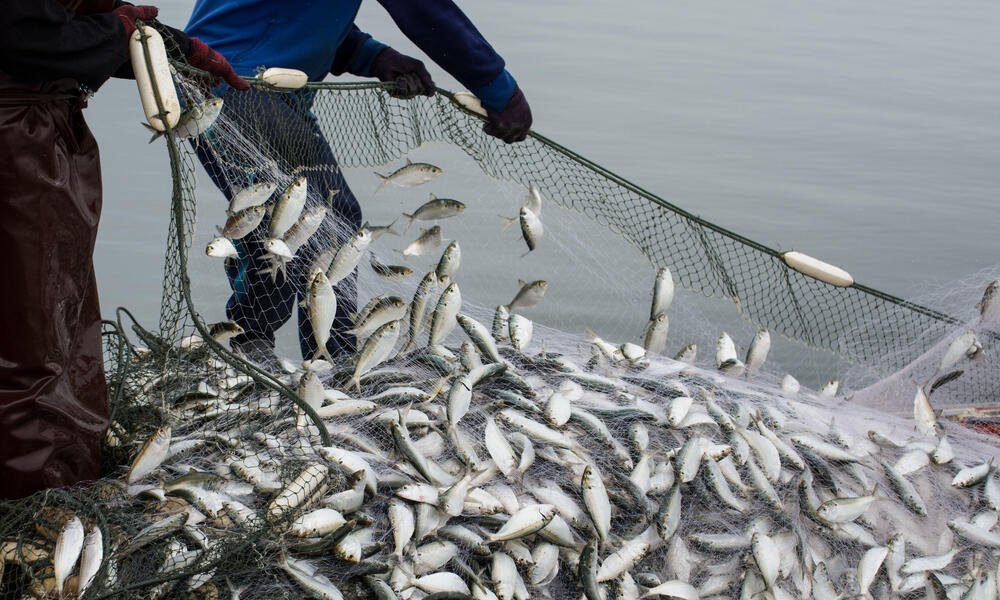
    1. Science-Based Management:

    At the core of sustainable fisheries lies a commitment to science-based management practices. This principle emphasizes the importance of rigorous scientific research to inform decision-making processes. Fisheries managers and scientists work collaboratively to gather data on fish populations, ecosystem dynamics, and the impacts of fishing activities. This knowledge forms the basis for setting catch limits, establishing size regulations, and determining appropriate seasons for fishing. By relying on empirical evidence, science-based management ensures that decisions align with the ecological capacities of marine environments.

    2. Precautionary Approach:

    The precautionary approach is a guiding principle that acknowledges the inherent uncertainty in fisheries management. Instead of waiting for conclusive evidence of harm, this principle encourages proactive measures to prevent overfishing and minimize negative impacts on marine ecosystems. Precautionary measures may include setting conservative catch limits, implementing temporary fishing closures, and adopting adaptive management strategies. This approach serves as an insurance policy against the unknown, offering a buffer that protects both fish stocks and the ecosystems they inhabit.

    3. Ecosystem-Based Management:

    Recognizing that marine ecosystems are interconnected and dynamic, sustainable fisheries embrace an ecosystem-based management approach. This principle expands the focus beyond individual species to consider the broader ecological context. It involves understanding and protecting critical habitats, managing for biodiversity, and accounting for the interactions between species. Ecosystem-based management seeks to maintain the health and resilience of entire ecosystems, ensuring their ability to adapt to environmental changes and support a diverse array of marine life.

    4. Fishing Quotas and Size Limits:

    The establishment of fishing quotas and size limits is a cornerstone of sustainable fisheries. Quotas set limits on the total allowable catch for specific fish species, preventing overexploitation. Size limits dictate the minimum and sometimes maximum size of fish that can be caught, allowing individuals to reach maturity and contribute to the reproductive success of their populations. These measures are instrumental in preventing the depletion of fish stocks and promoting the sustainable utilization of marine resources.

    5. Habitat Protection and Restoration:

    Sustainable fisheries recognize the intrinsic link between healthy habitats and thriving fish populations. This principle emphasizes the need to protect and, where necessary, restore critical habitats such as coral reefs, mangroves, and seagrasses. By safeguarding these ecosystems, sustainable fisheries contribute to the maintenance of breeding grounds, nurseries, and feeding areas for various species. Habitat protection is a proactive strategy that fortifies the resilience of marine ecosystems against the pressures of climate change and human activities.

    6. Mitigation of Bycatch:

    Addressing the issue of bycatch is integral to sustainable fisheries. Bycatch refers to the unintentional capture of non-target species during fishing operations. Sustainable practices aim to minimize bycatch through the use of selective fishing gear, spatial management strategies, and the development of alternative gear technologies. Reducing bycatch not only conserves non-target species but also helps maintain the integrity of marine food webs and promotes the overall health of ecosystems.

    7. Community Engagement and Co-Management:

    Sustainable fisheries embrace principles of community engagement and co-management to ensure that the voices of local communities are heard in decision-making processes. Recognizing the dependence of many communities on fisheries for their livelihoods, co-management involves collaboration between governments, industry stakeholders, and local communities. This principle empowers communities to actively participate in the development and implementation of fisheries management plans, fostering a sense of ownership and responsibility for the shared resource.

    8. Market Incentives and Certification:

    To drive positive change, sustainable fisheries leverage market incentives and certification programs. Eco-labels and certification by independent bodies signal to consumers that a particular fishery adheres to sustainable practices. By creating a demand for certified products, market forces encourage fisheries to adopt and maintain responsible management practices. This principle underscores the pivotal role of consumers in influencing industry behavior and promoting a shift towards sustainability.

    Conclusion: In essence, the principles of sustainable fisheries weave together a tapestry of strategies aimed at balancing ecological integrity, economic viability, and social equity. Through science-based, precautionary, and ecosystem-based approaches, these principles provide a comprehensive framework for navigating the complexities of fisheries management. By integrating habitat protection, mitigating bycatch, and fostering community engagement, sustainable fisheries aspire to create a harmonious coexistence between human activities and the marine environments upon which they depend. Embracing these principles not only safeguards the future of fisheries but also contributes to the broader mission of preserving the health and resilience of our oceans for generations to come.

  • The Importance of Sustainable Fisheries: A Pillar for Ecosystem Health and Human Prosperity

    The Importance of Sustainable Fisheries: A Pillar for Ecosystem Health and Human Prosperity

    In the vast expanse of the world’s oceans, the health of marine ecosystems is intricately tied to the practices employed by the global fisheries industry. The importance of sustainable fisheries transcends mere resource management; it stands as a critical pillar supporting the overall well-being of both marine environments and the human communities that rely on them. As we grapple with the ramifications of climate change, population growth, and increased global demand for seafood, recognizing and embracing sustainable fishing practices is paramount for ensuring a future where the oceans continue to thrive and provide for generations to come.

    The Importance of Sustainable Fisheries

    Preserving Biodiversity:

    At the heart of the matter lies the preservation of biodiversity, a cornerstone of sustainable fisheries. Overfishing, habitat destruction, and bycatch have all contributed to a decline in the diversity of marine species. Sustainable fishing practices, including the establishment of fishing quotas, the implementation of size limits, and the protection of critical habitats, serve as vital tools in maintaining a balanced and resilient marine ecosystem. By allowing fish populations to recover and ensuring the survival of non-target species, sustainable fisheries contribute directly to the conservation of biodiversity.

    Maintaining Ecosystem Balance:

    Marine ecosystems operate as intricate webs of interdependence, where each species plays a unique role in maintaining ecological balance. Unsustainable fishing practices disrupt this delicate equilibrium, leading to cascading effects throughout the food web. By embracing sustainability, we not only protect individual species but also contribute to the overall health and resilience of marine ecosystems. This balance, in turn, enhances the oceans’ ability to adapt to environmental changes and maintain their crucial role in regulating the Earth’s climate.

    Economic and Social Stability:

    Beyond the ecological imperative, sustainable fisheries are essential for the economic and social stability of coastal communities around the world. Many communities rely heavily on fishing as a primary source of income and sustenance. Overfishing and the depletion of fish stocks jeopardize the livelihoods of millions, leading to economic downturns and increased vulnerability. By managing fisheries sustainably, we can ensure a steady and enduring supply of seafood, supporting the economic prosperity of these communities and providing food security for countless individuals.

    Long-Term Food Security:

    In a world with a growing population, ensuring food security is a global challenge. Seafood serves as a crucial source of protein for billions of people worldwide. Sustainable fisheries, with their focus on responsible management and conservation, provide a pathway to secure long-term food supplies. By preventing the collapse of fish stocks and safeguarding the health of marine ecosystems, sustainable practices pave the way for a reliable and resilient source of nutrition for communities globally.

    Mitigating Climate Change:

    Healthy oceans play a vital role in mitigating climate change by acting as carbon sinks. Fish and other marine organisms sequester carbon, helping to regulate the Earth’s climate. Sustainable fisheries contribute to this role by preserving the health of marine ecosystems, allowing them to continue their carbon sequestration functions. Additionally, sustainable aquaculture practices can offer alternatives to land-based protein sources that may contribute more significantly to greenhouse gas emissions.

    In essence, the importance of sustainable fisheries extends far beyond the act of responsible resource management. It embodies a holistic approach to safeguarding the intricate balance of marine ecosystems, supporting the livelihoods of coastal communities, ensuring long-term food security, and contributing to global efforts to combat climate change. As we navigate the complexities of the modern world, embracing and advancing sustainable fisheries is not merely an option; it is an ethical imperative and a practical necessity for a sustainable and harmonious coexistence between humanity and the oceans.

  • Sustainable Fisheries: Safeguarding the Future of the Seas and Humanity

    Sustainable Fisheries: Safeguarding the Future of the Seas and Humanity

    In the vast expanse of our oceans lies a delicate balance of life, a complex web of interconnected ecosystems that has sustained both marine biodiversity and human communities for centuries. However, the relentless pressure imposed by unsustainable fishing practices threatens this delicate equilibrium, endangering not only the diverse species beneath the waves but also the livelihoods of those who depend on the bounty of the seas. It is within this context that the concept of sustainable fisheries emerges as a beacon of hope, offering a path toward harmony between humanity and the ocean.

    As we navigate the challenges of the 21st century, the sustainability of our fisheries has become a paramount concern. Overfishing, destructive fishing methods, and the degradation of critical marine habitats are among the pressing issues that demand immediate attention. In this exploration of sustainable fisheries, we delve into the multifaceted dimensions of a global effort to reshape our approach to marine resource management. From the fundamental principles that underpin sustainable fishing practices to the innovative technologies shaping the future of aquaculture, this discourse aims to shed light on the intricate tapestry of initiatives aimed at safeguarding our oceans.

    Beyond the ecological imperative, sustainable fisheries hold the promise of securing the economic and social well-being of coastal communities. This journey through the seas of sustainability will unravel the interconnected threads of responsible resource management, community engagement, and international collaboration. It is a journey that invites reflection on our individual roles as consumers, the responsibilities of governments in crafting effective policies, and the pivotal role of industries in driving positive change.

    Join us on this exploration into the depths of sustainable fisheries, where the waves of change are not only essential but also inevitable. As we embark on this odyssey, let us discover the innovative solutions, inspiring success stories, and collaborative efforts that serve as guiding lights, steering us toward a future where the oceans thrive, and humanity coexists harmoniously with the magnificent life beneath the surface.

    1. The Importance of Sustainable Fisheries:
    Elaborating on why sustainable fisheries are crucial. Discussing the negative impacts of unsustainable fishing practices, such as overfishing and habitat destruction. Explaining how sustainable fisheries can maintain biodiversity, preserve balanced marine ecosystems, and provide long-term benefits to communities.

    2. Principles of Sustainable Fisheries:
    Detailing the fundamental principles of sustainable fisheries, including quota setting, habitat management, and the promotion of sustainable fish farming. Explaining the significance of minimum size requirements and quota setting to ensure that fish catches remain within manageable limits.

    3. Resource Management and Related Ecosystems:
    Discussing the management of wetlands, particularly the role of mangrove and seagrass ecosystems in supporting the survival of fish. Emphasizing the importance of involving local communities in the management of related resources, such as mangrove forests and rivers.

    4. Eco-labels and Certification:
    Exploring the concept of eco-labels and how certification by independent bodies helps identify sustainable fisheries products. Describing the role of consumers in supporting sustainable fishing practices by preferring certified products.

    5. Innovation and Research in Sustainable Fisheries:
    Discussing efforts in research and innovation to enhance sustainable fishing and aquaculture methods. Highlighting new technologies and approaches that can help the fisheries sector adapt to environmental changes and improve efficiency.

    6. Education and Community Involvement:
    Describing the importance of educating communities about sustainable fisheries. Highlighting the crucial role of local communities in fisheries resource management and how they can be involved in decision-making processes.

    7. International Cooperation in Sustainable Fisheries:
    Explaining the significance of international cooperation in managing fisheries resources across borders. Highlighting global agreements and collaborations that have been established to promote sustainable fishing practices.

    Conclusion:
    Summarizing key points about sustainable fisheries and underscoring the role of individuals, governments, and industries in preserving the longevity of marine resources. Concluding that only through collective efforts and behavioral changes can we achieve sustainable fisheries.