Author: FnB Tech

  • Sustainable Indonesian Coffee: A Rich Tapestry of Flavor and Responsibility

    Sustainable Indonesian Coffee: A Rich Tapestry of Flavor and Responsibility

    Sustainable Indonesian Coffee, a nation renowned for its biodiversity and rich cultural heritage, is also a global coffee powerhouse. Its lush volcanic soils and diverse climates create ideal conditions for cultivating exceptional coffee beans. However, the industry, like many others, faces significant challenges related to sustainability. From deforestation and soil erosion to the well-being of coffee farmers, the need for a holistic approach to coffee production has never been more pressing.the benefits it offers, the goals it pursues, and the innovative ideas that are driving positive change. By understanding the challenges and opportunities within this sector, we can appreciate the importance of supporting sustainable practices and the role they play in preserving Indonesia’s natural resources and uplifting its coffee-farming communities.

    The Significance of Sustainable Indonesian Coffee

    Indonesia’s coffee industry is a cornerstone of its economy, providing livelihoods for millions of people, particularly in rural areas. However, the pursuit of higher yields and profits has often led to unsustainable practices that have had detrimental impacts on the environment and the lives of coffee farmers.  

    Sustainable Indonesian coffee represents a shift towards a more responsible and ethical approach to coffee production. It encompasses a wide range of practices that prioritize environmental protection, social equity, and economic viability. By adopting sustainable methods, coffee farmers can improve their livelihoods, protect the delicate ecosystems where coffee is grown, and ensure the long-term sustainability of the industry.

    Benefits of Sustainable Indonesian Coffee

    The benefits of sustainable Indonesian coffee extend far beyond the cup. By choosing sustainable coffee, consumers contribute to a more positive impact on the planet and its people.

    • Environmental Benefits: Sustainable coffee cultivation helps to protect biodiversity, reduce deforestation, and conserve water resources. It also minimizes the use of harmful chemicals and pesticides, safeguarding soil health and preventing pollution.  
    • Social Benefits: Sustainable practices empower coffee farmers by providing them with fair wages, access to education and healthcare, and opportunities for community development. It also promotes gender equality and supports the well-being of farm workers.
    • Economic Benefits: Sustainable coffee production can lead to increased profitability for farmers and businesses, as consumers are increasingly willing to pay a premium for ethically sourced products. It also strengthens the coffee industry as a whole by building resilience and adaptability.  
    Goals of Sustainable Indonesian Coffee

    The overarching goal of sustainable Indonesian coffee is to create a thriving coffee sector that benefits all stakeholders, from farmers to consumers. Specific goals include:

    • Environmental Sustainability: Minimizing the environmental footprint of coffee production by adopting eco-friendly practices, such as agroforestry, organic farming, and water conservation.
    • Social Equity: Improving the livelihoods of coffee farmers and workers by ensuring fair wages, safe working conditions, and access to social benefits.
    • Economic Viability: Building a profitable and resilient coffee industry by promoting sustainable business practices, fair trade, and value-added products.
    • Transparency and Traceability: Enhancing transparency throughout the coffee supply chain to ensure that consumers can trust the sustainability claims of the products they purchase.

    Ideas for Promoting Sustainable Indonesian Coffee

    Achieving the goals of sustainable Indonesian coffee requires a multi-faceted approach involving collaboration between government, industry, and civil society. Some key ideas for promoting sustainable coffee include:

    • Farmer Training and Education: Providing farmers with the knowledge and skills needed to adopt sustainable practices, including agroforestry, organic farming, and climate-smart agriculture.
    • Certification and Standards: Developing and implementing robust certification standards to verify the sustainability of coffee products and build consumer trust.
    • Market Development: Creating new markets for sustainable Indonesian coffee, both domestically and internationally, by highlighting its unique qualities and benefits.
    • Research and Innovation: Investing in research and development to identify new sustainable technologies and practices for coffee production.
    • Public-Private Partnerships: Fostering collaboration between government, industry, and non-profit organizations to address the challenges of sustainable coffee development.

    Topic Suggestions for Deeper Exploration

    To gain a comprehensive understanding of sustainable Indonesian coffee, it is essential to explore the following topics in greater detail:

    • Case Studies of Successful Sustainable Coffee Initiatives: Highlight examples of coffee farmers, cooperatives, and companies that have implemented successful sustainable practices.
    • Challenges and Opportunities for Sustainable Coffee in Indonesia: Analyze the specific challenges faced by the Indonesian coffee sector and identify potential solutions.
    • The Role of Consumer Awareness and Choice: Explore the impact of consumer preferences on the demand for sustainable coffee and how to educate consumers about the importance of making informed choices.
    • Policy and Regulatory Framework for Sustainable Coffee: Examine the role of government policies and regulations in supporting sustainable coffee production and trade.
    • The Future of Sustainable Indonesian Coffee: Discuss the long-term vision for the Indonesian coffee industry and the steps needed to achieve a sustainable future.

    Advantages of Sustainable Indonesian Coffee

    By embracing sustainability, the Indonesian coffee industry can reap numerous advantages, including:

    • Enhanced Reputation: Sustainable coffee can enhance Indonesia’s reputation as a responsible and ethical producer of high-quality coffee.
    • Increased Market Access: Growing consumer demand for sustainable products can open up new markets for Indonesian coffee.
    • Improved Livelihoods: Sustainable practices can lead to higher incomes and better living conditions for coffee farmers and their communities.
    • Environmental Protection: Protecting Indonesia’s rich biodiversity and natural resources is essential for the long-term sustainability of the coffee industry.
    • Resilience to Climate Change: Sustainable coffee farms are often more resilient to the impacts of climate change, such as droughts and pests.

    Challenges Facing Sustainable Coffee Production

    While the potential benefits of sustainable Indonesian coffee are significant, the industry faces numerous challenges that hinder progress.

    • Low Farmer Income: Many coffee farmers in Indonesia operate on small plots of land and struggle with low incomes. This economic pressure often leads to unsustainable practices as farmers prioritize short-term gains over long-term sustainability.
    • Lack of Infrastructure: Inadequate infrastructure, such as roads and processing facilities, hampers the efficient transportation and processing of coffee beans, leading to quality issues and lower prices for farmers.
    • Climate Change: Climate change is a growing threat to coffee production in Indonesia, with changing rainfall patterns, rising temperatures, and increased pest and disease outbreaks impacting yields and quality.
    • Deforestation and Land Use Change: The expansion of non-coffee agriculture and other land-use changes contribute to deforestation, soil erosion, and water scarcity, affecting coffee production and ecosystem health.
    • Market Volatility: Fluctuations in global coffee prices can create instability for Indonesian coffee farmers, making it difficult to invest in sustainable practices.

    Sustainable Indonesian coffee offers a promising pathway to a more equitable and environmentally friendly coffee industry. By addressing the challenges and seizing the opportunities, Indonesia can become a global leader in sustainable coffee production, benefiting both farmers and consumers.


  • Best Brazilian Coffee: A Comprehensive Guide to Beans, Brews, and Benefits

    Best Brazilian Coffee: A Comprehensive Guide to Beans, Brews, and Benefits

    Best Brazilian Coffee, a country synonymous with vibrant culture, lush rainforests, and infectious rhythms, also holds a prestigious title ,the world’s largest coffee producer. This South American gem has cultivated a deep-rooted relationship with coffee, resulting in a product that has captured the palates of millions worldwide.

    Best Brazilian Coffee delves into the captivating world of Brazilian coffee, exploring its rich history, diverse regions, unique characteristics, and the factors contributing to its global dominance. From the nuances of different bean varieties to the art of brewing the perfect cup, we will provide a comprehensive guide for coffee enthusiasts and industry professionals alike.

    The Coffee Giant: Brazil’s Dominance

    Best Brazilian Coffee industry is a behemoth, shaping the global market with its vast plantations, efficient production methods, and unwavering commitment to quality. Several key factors contribute to the country’s dominance:

    • Ideal Climate and Terrain: Brazil boasts a diverse geography, encompassing various altitudes, soil types, and climatic conditions. This diversity allows for the cultivation of a wide range of coffee varieties, each with its distinct flavor profile.
    • Extensive Cultivation: With millions of hectares dedicated to coffee cultivation, Brazil enjoys economies of scale, enabling efficient production and competitive pricing.
    • Focus on Quantity and Quality: While traditionally known for high-volume production, Brazil has made significant strides in enhancing coffee quality, with a growing number of specialty coffee farms emerging.
    • Strong Infrastructure: A robust infrastructure, including transportation and processing facilities, supports the coffee industry, ensuring efficient distribution of beans to domestic and international markets.

    The Allure of Brazilian Coffee Beans

    Best Brazilian Coffee are celebrated for their distinct characteristics that appeal to a wide range of coffee drinkers. Key attributes include:

    • Balanced Flavor Profile: Brazilian coffees are renowned for their well-rounded taste, combining subtle sweetness, low acidity, and a smooth, medium body.
    • Nutty and Chocolatey Notes: Many Brazilian coffees exhibit flavors reminiscent of nuts, chocolate, and caramel, creating a comforting and enjoyable experience.
    • Versatility: Brazilian beans excel in various brewing methods, from espresso to drip coffee, making them a versatile choice for coffee lovers.
    • Affordability: Due to large-scale production, Brazilian coffee is generally more affordable than coffees from other origins, making it accessible to a wider audience.

    Exploring Different Regions of Brazil

    Best Brazilian Coffee is a vast country with diverse coffee-growing regions, each contributing unique characteristics to the overall flavor profile. Some of the most prominent coffee-producing areas include:

    • Cerrado: Known for its high-altitude plantations, Cerrado produces coffees with bright acidity, floral notes, and complex flavors.
    • Minas Gerais: This region is famous for its mild, well-balanced coffees with hints of chocolate and caramel.
    • São Paulo: Home to a mix of traditional and modern farms, São Paulo offers a wide range of coffee styles, from classic Brazilians to specialty-grade beans.
    • Bahia: This northeastern state produces coffees with distinct fruity and floral characteristics, often with higher acidity levels.

    Key Brazilian Coffee Bean Varieties

    Best Brazilian Coffee primarily cultivates Arabica coffee beans, with several popular varieties:

    • Bourbon: A classic Brazilian variety known for its balance, sweetness, and medium body.
    • Catuai: A high-yielding variety that produces coffees with good acidity and clean flavor.
    • Mundo Novo: A hybrid of Bourbon and Arabica, offering a combination of sweetness and complexity.
    • Yellow Bourbon: A mutation of the Bourbon variety, characterized by yellow beans and a slightly sweeter flavor profile.

    The Art of Brewing Best Brazilian Coffee

    Best Brazilian Coffee,To fully appreciate the nuances of Brazilian coffee, proper brewing techniques are essential. Here are some tips:

    • Grind Size: Use a medium-coarse grind for drip coffee and a finer grind for espresso.
    • Water Temperature: Aim for water temperature between 195°F and 205°F (90°C and 96°C) for optimal extraction.
    • Brew Time: Adjust brew time according to your preferred strength and flavor intensity.
    • Experimentation: Don’t be afraid to experiment with different brewing methods and coffee-to-water ratios to find your perfect cup.

    The Benefits of Drinking Best Brazilian Coffee

    Best Brazilian Coffee,Beyond its delightful taste, Brazilian coffee offers several potential health benefits:

    • Antioxidant Power: Coffee, including Brazilian varieties, is rich in antioxidants that help protect cells from damage.
    • Improved Cognitive Function: Caffeine in coffee can enhance focus, alertness, and cognitive performance.
    • Boosted Metabolism: Coffee can temporarily increase metabolism, aiding in weight management.
    • Reduced Risk of Certain Diseases: Some studies suggest coffee consumption may lower the risk of type 2 diabetes, Parkinson’s disease, and liver disease.

    Coffee Farming Practices

    • Shade-Grown vs. Sun-Grown: While Brazil has historically relied on sun-grown coffee, there’s a growing trend towards shade-grown cultivation. Shade-grown coffee is often associated with higher quality beans, as the slower ripening process allows for the development of richer flavors.
    • Harvesting Methods: Most Brazilian coffee is harvested by hand, a labor-intensive process that ensures only ripe cherries are picked. This meticulous approach contributes to the overall quality of the beans.
    • Sustainability Initiatives: The Brazilian coffee industry has recognized the importance of sustainability. Many farms are implementing eco-friendly practices, such as water conservation, soil management, and biodiversity preservation.

    Coffee Processing Methods

    The processing method significantly impacts the flavor profile of the coffee bean. Brazil primarily utilizes two main processing methods:

    • Natural Process: In this method, coffee cherries are dried with the fruit intact, resulting in beans with a sweeter and fuller body.
    • Pulped Natural Process: A hybrid of natural and washed processing, this method involves removing the outer skin but leaving the mucilage intact during drying. It produces coffees with complex flavor profiles.

    The Rise of Specialty Coffee in Brazil

    While Best Brazilian Coffee has long been associated with commodity-grade coffee, the country has experienced a remarkable transformation in recent years. A growing number of specialty coffee farms are emerging, producing exceptional beans that compete with the world’s finest.

    • Focus on Quality: Specialty coffee farmers in Brazil are investing in varietal selection, cultivation practices, and processing techniques to create unique and complex coffees.
    • Terroir and Microclimates: These farmers are exploring the influence of terroir and microclimates on coffee flavor, resulting in distinctive and terroir-driven coffees.
    • International Recognition: Brazilian specialty coffees are gaining recognition in international competitions, elevating the country’s coffee reputation.

    Brazilian Coffee in the Global Market

    Brazil’s coffee production has a profound impact on the global coffee market. As the world’s largest exporter, the country plays a crucial role in stabilizing coffee prices and ensuring a consistent supply.

    • Economic Importance: Coffee is a vital commodity for Brazil’s economy, generating significant revenue and employment opportunities.
    • Global Partnerships: Brazil maintains strong trade relationships with coffee-consuming countries, contributing to the global coffee culture.
    • Challenges and Opportunities: The Brazilian coffee industry faces challenges such as climate change, price fluctuations, and increasing competition. However, the country’s focus on quality and sustainability presents opportunities for growth and expansion.
  • Kalosi Sulawesi Coffee Beans: A Taste of Indonesian Excellence

    Kalosi Sulawesi Coffee Beans: A Taste of Indonesian Excellence

    Kalosi Sulawesi coffee beans, hailing from the lush landscapes of Sulawesi, Indonesia, have garnered significant attention in the global coffee market. Renowned for their unique flavor profile and rich history, these beans offer a truly exceptional coffee experience. This article delves into the world of Kalosi Sulawesi coffee beans, exploring their characteristics, cultivation, processing, and the factors that contribute to their distinctive taste.

    The Allure of Kalosi Sulawesi Coffee Beans

    Kalosi Sulawesi coffee beans possess a captivating array of qualities that set them apart. Grown in the mountainous regions of Sulawesi, these beans benefit from the island’s unique volcanic soil and high altitude, resulting in a complex and flavorful cup. The coffee is typically characterized by its medium body, bright acidity, and a delightful combination of floral and citrus notes. The finish is often described as clean and satisfying, leaving a lasting impression on the palate.

    Cultivation and Processing

    The cultivation of Kalosi Sulawesi coffee beans is a labor-intensive process that involves careful attention to detail. Farmers in the region have honed their craft over generations, passing down traditional techniques while embracing modern agricultural practices. The beans are predominantly Arabica varietals, known for their superior quality and complex flavor profiles.

    The processing method used for Kalosi Sulawesi coffee beans is a crucial factor in determining their final taste. The wet-hulled process is commonly employed, where the coffee cherries are stripped of their outer skin and pulp before drying. This method helps to preserve the coffee’s natural sweetness and acidity, resulting in a cup that is bright and vibrant.

    The Impact of Terroir


    Kalosi Sulawesi Coffee Beans, the unique combination of soil, climate, and altitude, plays a vital role in shaping the character of Kalosi Sulawesi coffee beans. The volcanic soil in the region is rich in minerals, providing essential nutrients to the coffee plants. The high altitude and ample rainfall create ideal growing conditions, allowing the beans to develop slowly and concentrate their flavors.

    Benefits of Kalosi Sulawesi Coffee

    Beyond its exceptional taste, Kalosi Sulawesi coffee offers several potential benefits. Coffee, in general, has been associated with various health advantages, including increased alertness, improved cognitive function, and antioxidant properties. While specific research on Kalosi Sulawesi coffee is limited, enjoying a cup of this high-quality brew can be a pleasurable way to incorporate these potential benefits into your daily routine.

    Goals and Ideas for Kalosi Sulawesi Coffee

    To further elevate the profile of Kalosi Sulawesi coffee, several goals and ideas can be explored:

    • Sustainability and Ethical Sourcing: Emphasize the importance of sustainable farming practices and fair trade initiatives to protect the environment and ensure the well-being of coffee farmers.
    • Education and Awareness: Conduct coffee education programs to increase consumer knowledge about Kalosi Sulawesi coffee and its unique characteristics.
    • Product Development: Explore opportunities for creating coffee-based products, such as coffee-infused foods and beverages, to expand the market reach.
    • Collaboration: Foster partnerships with coffee roasters, baristas, and retailers to promote Kalosi Sulawesi coffee and create innovative coffee experiences.
    • Quality Control: Implement rigorous quality control measures to maintain the consistent high quality of Kalosi Sulawesi coffee beans.

    Topic Suggestions

    To delve deeper into the world of Kalosi Sulawesi coffee, consider exploring these topics:

    • The history and cultural significance of coffee in Sulawesi
    • A comparative analysis of Kalosi Sulawesi coffee with other Indonesian coffee regions
    • The role of women in coffee farming and production in Sulawesi
    • The impact of climate change on Kalosi Sulawesi coffee cultivation
    • The potential for coffee tourism in Sulawesi

    Advantages of Kalosi Sulawesi Coffee

    Kalosi Sulawesi coffee offers a multitude of advantages:

    • Distinctive Flavor Profile: The coffee’s unique combination of floral, citrus, and chocolate notes provides a captivating taste experience.
    • High Quality: The careful cultivation and processing methods ensure consistently high-quality beans.
    • Sustainability: Many Kalosi Sulawesi coffee farmers prioritize sustainable practices, benefiting the environment and local communities.
    • Economic Impact: The coffee industry contributes to the livelihoods of numerous farmers and workers in Sulawesi.
    • Global Recognition: Kalosi Sulawesi coffee is gaining increasing recognition in the international coffee market.

    By understanding the intricacies of Kalosi Sulawesi coffee beans and promoting their exceptional qualities, coffee enthusiasts and industry professionals can contribute to the continued success of this remarkable product.

    Sweet Treats

    • Chocolate: The combination of coffee and chocolate is a classic pairing. Dark chocolate with high cocoa content can complement the coffee’s acidity, while milk chocolate can enhance its sweetness.
    • Pastries: Flaky croissants or buttery scones can provide a delicious contrast to the coffee’s bright flavors.
    • Fruit-based desserts: Coffee and fruit is a match made in heaven. Try pairing Kalosi Sulawesi coffee with desserts featuring berries, citrus fruits, or tropical flavors.

    Savory Dishes

    • Cheesy dishes: The creaminess of cheese can balance the coffee’s acidity. Consider pairing it with brie, camembert, or cheddar.
    • Spicy food: The bright acidity of the coffee can help to cut through the heat of spicy dishes.
    • Hearty breakfasts: Kalosi Sulawesi coffee can be a great companion to a hearty breakfast of eggs, bacon, and toast.

    Ultimately, the best way to discover the perfect food pairings for Kalosi Sulawesi coffee is through experimentation. Don’t be afraid to try different combinations and find your own favorite pairings.

    The Coffee Culture of Sulawesi

    Sulawesi, with its rich volcanic soil and diverse landscapes, has a thriving coffee culture. Coffee is an integral part of daily life for many Indonesians, and Sulawesi is no exception. Coffee shops and traditional coffee houses can be found throughout the region, offering a variety of brewing methods and coffee experiences.

    Visiting Sulawesi provides an opportunity to immerse yourself in the local coffee culture. You can witness the coffee-making process firsthand, learn about traditional brewing techniques, and savor the unique flavors of Kalosi Sulawesi coffee in its native environment.

    Kalosi Sulawesi coffee beans offer a truly exceptional coffee experience. With their complex flavor profile, rich history, and potential health benefits, these beans have captured the attention of coffee lovers worldwide. By understanding the factors that contribute to their unique character and exploring different brewing methods and food pairings, you can fully appreciate the remarkable qualities of Kalosi Sulawesi coffee.

  • The Enchanting Allure of Gayo Longberry: A Deep Dive into a Premium Coffee Experience

    The Enchanting Allure of Gayo Longberry: A Deep Dive into a Premium Coffee Experience

    Gayo Longberry,Nestled amidst the emerald embrace of Aceh’s Gayo Highlands in Indonesia, a unique coffee legend unfolds. Here, where cool mountain air and volcanic soil nourish the land, flourishes the Gayo Longberry – a prized Arabica coffee bean celebrated for its exceptional quality and captivating flavor profile. Cultivated with meticulous care and steeped in tradition, Gayo Longberry transcends the realm of a mere beverage, offering a sensory journey for discerning coffee connoisseurs.

    This comprehensive guide delves into the captivating world of Gayo Longberry, exploring its origins, unique characteristics, brewing methods, and the reasons behind its esteemed reputation. We’ll navigate the landscape of its benefits, uncover the secrets to a perfect cup, and unveil a treasure trove of ideas for incorporating this exceptional coffee into your daily rituals.

    The Gayo Longberry Legacy: A Story Steeped in Tradition

    The narrative of Gayo Longberry is intricately woven with the rich cultural heritage of the Gayo people, indigenous to the highlands of Aceh. Coffee cultivation has been a cornerstone of their livelihood for generations, passed down through families with a deep reverence for the land and its bounty. Traditional methods, honed over centuries, ensure the exceptional quality of the beans. Selective handpicking, meticulous processing techniques, and a deep understanding of the microclimate all contribute to the final product’s excellence.

    The Essence of Excellence: Distinguishing Characteristics of Gayo Longberry

    sets itself apart from the plethora of coffee varieties with its distinctive characteristics. Here’s what makes this bean a true standout:

    • Size Matters: Unlike regular Arabica beans, Gayo Longberry boasts a larger and elongated form. This unique physical attribute is attributed to specific coffee varietals, such as Abyssinia and Tim-Tim Jantung, that thrive in the Gayo Highlands’ specific conditions.
    • Aromatic Symphony: The first encounter with Gayo Longberry is an olfactory delight. Its aroma is characterized by a refreshing and invigorating fragrance, often described as having herbal, spicy, and slightly citrusy notes. As you delve deeper, hints of dark chocolate and caramel may emerge, creating a multidimensional and enticing aroma.
    • Flavorful Tapestry: The taste profile of Gayo Longberry is a complex and captivating tapestry. It boasts a medium to high body, offering a rich and satisfying mouthfeel. The initial sip presents a refreshing wave of acidity, balanced perfectly by the underlying sweetness of ripe berries. As the coffee lingers on your palate, a hint of dark chocolate and caramel emerges, creating a truly memorable experience.

    A Cup Brimming with Benefits: Why Choose Gayo Longberry?

    Beyond its captivating flavor profile, offers a multitude of potential health benefits. Here are some reasons why incorporating it into your daily routine might be a wise decision:

    • Antioxidant Powerhouse: Coffee, in general, is recognized for its high antioxidant content. Gayo Longberry, with its meticulous processing methods, may retain a high concentration of these beneficial compounds. Antioxidants help combat free radicals, potentially reducing the risk of chronic diseases.
    • Enhanced Cognitive Function: The caffeine content in Gayo Longberry can provide a gentle boost in alertness and focus. It may improve cognitive function, reaction time, and even memory.
    • Potential Mood Elevator: Coffee consumption is often linked to improved mood and well-being. Gayo Longberry, with its stimulating properties, might contribute to feelings of increased energy and a more positive outlook.

    Unlocking the Perfect Cup: Brewing Methods

    The true magic of unfolds when brewed to perfection. Here are a few popular methods to help you unlock its full potential:

    • The Classic Pour Over: This method allows for a controlled and precise brewing experience. Using a pour-over dripper and a fine grind, slowly pour hot water (around 90-96°C) over the grounds, allowing it to bloom and release its nuanced flavors.
    • The French Press: This full-immersion method is a simpler yet effective way to brew Gayo Longberry. Coarsely grind the beans, add them to the French press, and let them steep in hot water for a few minutes before plunging. The resulting brew is full-bodied and robust.
    • The AeroPress: This versatile brewing device allows for experimentation and customization. With a medium grind and a quick press, you can achieve a clean and bright cup of Gayo Longberry.

    Beyond the Brew: Creative Ideas with Gayo Longberry

    versatility extends beyond a traditional cup of coffee. Here are some creative ideas for incorporating this exceptional bean into your culinary repertoire:

    • Culinary Infusion: Gayo Longberry’s complex flavor profile can elevate various culinary creations. Grind the beans to a fine powder and use it to infuse marinades for meats or seafood, adding a touch of depth and complexity
    • .Dessert Delights: A sprinkle of finely ground Gayo Longberry can add a delightful coffee kick to desserts like chocolate cakes, brownies, or ice cream.
    • Coffee Cocktails: Gayo Longberry’s unique flavor profile lends itself well to creative cocktails. Experiment with a cold brew concentrate, combining it with spirits like vodka or rum, and add exciting elements like citrus juices, syrups, or infused simple syrups.
    • DIY Coffee Liqueur: For a truly unique experience, consider creating your own coffee liqueur using Gayo Longberry beans. Steep the beans in high-proof alcohol for several weeks, then combine it with sugar syrup for a delightful after-dinner drink.

    A Treasure Trove of Inspiration: Research and Topic Suggestions for Gayo Longberry Enthusiasts

    The world of offers a wealth of information for those seeking to delve deeper. Here are some research and topic suggestions to fuel your intellectual curiosity:

    • Sustainable Practices and Fair Trade: Explore the farming practices employed by Gayo coffee producers. Research initiatives that promote sustainability, fair trade, and ethical sourcing within the Gayo Highlands.
    • Coffee Chemistry and Flavor Profiling: Delve into the scientific intricacies behind Gayo Longberry’s flavor. Understand the chemical compounds that contribute to its unique taste profile and how processing methods influence these characteristics.
    • The Gayo Culture and Coffee Tradition: Uncover the rich cultural heritage of the Gayo people and their deep connection to coffee cultivation. Learn about traditional brewing methods and the significance of coffee within their communities.
    • The Sensory Experience of Gayo Longberry: Explore the sensory aspects of Gayo Longberry coffee. Participate in online forums or coffee tasting events to share and discuss the unique flavor profile and aroma of this exceptional bean.
  • The World of Good Raw Coffee: A Deep Dive into Unroasted Beans

    The World of Good Raw Coffee: A Deep Dive into Unroasted Beans

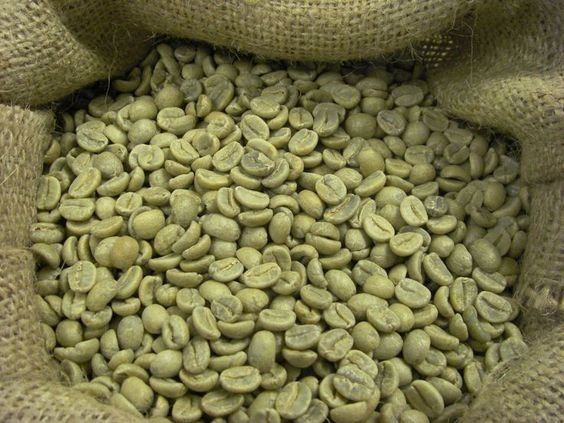
    Good Raw Coffee has fueled our mornings, fueled creativity, and provided a comforting ritual. But have you ever considered the journey a coffee bean takes before it reaches your cup? This exploration delves into the fascinating world of raw coffee, the unroasted green beans that hold the potential for a symphony of flavors.Raw coffee, also known as green coffee beans, is the unroasted form of the coffee fruit’s pit. These beans, initially a vibrant green, are the starting point for the roasting process that transforms them into the familiar brown beans we typically associate with coffee.

    The Allure of Raw Coffee: Why Choose Unroasted Beans?

    Good Raw Coffee is the dominant choice, a growing number of coffee aficionados are discovering the unique appeal of raw coffee. Here are some reasons why unroasted beans are gaining popularity:

    • Customization: Raw coffee offers the ultimate control over the final flavor profile. By roasting the beans yourself, you can tailor the roast level to your preference, bringing out specific notes or achieving a desired boldness.
    • Freshness: Green beans retain their natural characteristics for longer periods compared to roasted coffee. Roasting releases volatile compounds, which contribute to the aroma and flavor, but also leads to a gradual decline in freshness.
    • Potential Health Benefits: Some studies suggest that raw coffee may retain higher levels of chlorogenic acid, an antioxidant with potential health benefits. However, more research is required to confirm these claims.

    Unlocking the Potential: The Objectives of Raw Coffee Exploration

    Those venturing into the world of raw coffee often have specific goals in mind:

    • Experimentation: Roasting at home allows for experimentation with different roast profiles, unlocking a wider range of flavor possibilities from a single origin bean.
    • Educational Journey: The roasting process itself becomes a learning experience, providing a deeper understanding of the factors that influence the final cup.
    • Sustainability: Home roasting allows for sourcing directly from ethical and sustainable coffee farms, potentially reducing the environmental impact of pre-roasted coffee.

    Brewing Ideas: Sipping the Possibilities of Raw Coffee

    While raw coffee beans are not typically consumed directly due to their bitterness and hardness, there are ways to enjoy their unique properties:

    • Cold Brew: Soaking raw coffee beans in cold water for an extended period extracts a smooth, less acidic concentrate.
    • Infused Water: Add raw coffee beans to water for a subtle coffee flavor and potential health benefits.
    • Grinding for Baked Goods: Finely grind raw coffee beans to incorporate them into recipes for muffins, cakes, or brownies, adding a subtle coffee twist.

    Considerations and Cautions: Navigating the Raw Coffee Landscape

    While Good Raw Coffee presents exciting possibilities, there are some important points to consider:

    • Roasting Expertise: Home roasting requires learning proper techniques to achieve a desirable roast profile and avoid under-roasting or burning the beans.
    • Safety: Raw coffee may contain bacteria that can be harmful if consumed raw. It’s essential to follow proper preparation methods like soaking or cold brewing.
    • Limited Research: More research is needed to fully understand the potential health benefits of raw coffee compared to roasted varieties.

    Advantages of Good Raw Coffee: A Balancing Act

    The decision between raw and roasted coffee depends on individual preferences and priorities. Here’s a breakdown of the advantages of raw coffee:

    • Customization: Unroasted beans offer the ultimate control over the final flavor profile through home roasting.
    • Freshness: Green beans retain their natural characteristics for longer periods compared to roasted coffee.
    • Potential Health Benefits: Studies suggest raw coffee may retain higher levels of chlorogenic acid, an antioxidant.
    • Sustainability: Home roasting allows for sourcing directly from ethical and sustainable coffee farms.

    The Nuances of Flavor: A Sensory Exploration of Good Raw Coffee

    The beauty of Good Raw Coffee lies in its potential for a diverse flavor experience. Unlike roasted coffee, where familiar notes of chocolate, caramel, or nuttiness dominate, raw coffee boasts a more subtle and nuanced profile. Here’s a breakdown of the key factors that influence the taste of raw coffee:

    • Origin: Just like with roasted coffee, the geographical origin of the green beans significantly impacts their flavor profile. Beans from Central America might offer bright citrusy notes, while African beans may present a deeper, fruitier character.
    • Varietal Differences: The specific coffee plant variety plays a role in flavor. Arabica beans, the most common type, are known for their balanced and complex flavors, while Robusta beans offer a stronger and more bitter taste.
    • Processing Methods: The way coffee cherries are processed after harvest influences the flavor profile. Washed processing results in a cleaner and brighter cup, while natural processing can introduce fruity or floral notes.

    Developing Your Palate: Unlocking the Secrets of Good Raw Coffee

    To truly appreciate the subtle nuances of Good Raw Coffee, it’s essential to develop your palate. Here are some tips to enhance your sensory experience:

    • Mindful Brewing: Use consistent brewing methods like cold brew or water infusion to isolate the specific flavor characteristics of the beans.
    • Comparative Tasting: Compare different origins or processing methods to identify subtle flavor variations.
    • Focus on Aromatics: Raw coffee beans possess unique aromas that can hint at the final flavor profile. Pay attention to floral, fruity, or earthy notes.
    • Vocabulary Development: Familiarize yourself with coffee tasting vocabulary to accurately describe the nuances you experience. This might include terms like “bright acidity,” “winey undertones,” or “chocolatey finish.”

    The Art of Home Roasting: Transforming Good Raw Coffee into a Masterpiece

    For those seeking the ultimate control over their coffee experience, home roasting presents a rewarding journey. Here’s a glimpse into the world of home roasting:

    • Choosing Your Roaster: From simple heat gun methods to more sophisticated air roasters or drum roasters, various equipment options cater to different needs and budgets.
    • The Roasting Process: Mastering the art of roasting involves understanding the science behind the Maillard reaction, which creates the complex flavors and aromas associated with roasted coffee. Factors like time, temperature, and airflow play a crucial role in achieving the desired roast profile.
    • The “Crack” Phenomenon: As coffee beans roast, they undergo a series of “cracks” that indicate progress. Learning to identify these cracks helps determine the roast level and avoid under-roasting or burning the beans.
    • Experimentation is Key: The beauty of home roasting lies in experimentation. Try different roast profiles with the same origin beans to discover variations in flavor and find your perfect cup.

    Beyond the Cup: The Ethical Sourcing of Good Raw Coffee

    The ethical sourcing of Good Raw Coffee is a crucial consideration for many coffee enthusiasts. Here’s how to make informed choices when purchasing raw coffee:

    • Fair Trade Certification: Look for Fair Trade certification on coffee beans, which ensures fair prices are paid to farmers and promotes sustainable farming practices.
    • Direct Trade Relationships: Consider sourcing directly from ethical coffee farms, fostering a closer connection with the origin and supporting responsible growing practices.
    • Researching Coffee Roasters: When purchasing pre-roasted coffee, research roasters who prioritize ethical sourcing and can provide information about the origin and processing methods of their beans.

    Sustainability in the Coffee Industry: The Role of Good Raw Coffee

    The coffee industry faces challenges related to environmental sustainability. Here’s how raw coffee consumption can contribute to a more sustainable future:

    • Reduced Packaging: Purchasing green beans often comes with less packaging compared to pre-roasted varieties, minimizing waste.
    • Supporting Sustainable Farms: Supporting ethically sourced coffee farms that prioritize sustainable practices like shade-grown coffee can contribute to a healthier environment.
    • Home Roasting and Waste Reduction: Home roasting allows for greater control over waste generated during the roasting process.

    Exploring the world of Good Raw Coffee goes beyond simply brewing a cup. It’s a journey of exploration, experimentation, and appreciation for the complex world of coffee. From understanding the origins and processing methods that influence flavor to mastering the art of home roasting and making informed sourcing choices, Good Raw Coffee offers a deeper connection to this beloved beverage. Whether you’re a seasoned coffee enthusiast or just starting your exploration, the world of raw coffee invites you to discover the unique potential within each green bean, transforming your coffee experience into a truly personal adventure.

  • Potential of Green Coffee Beans: A Treasure Untouched for a Very Long Time

    Potential of Green Coffee Beans: A Treasure Untouched for a Very Long Time

    Potential of Green Coffee Beans has fueled our mornings, fueled our creativity, and fueled countless conversations. But the journey from bean to cup hides a secret treasure: green coffee beans. These unroasted gems hold the potential for a unique coffee experience, brimming with health benefits and a flavor profile waiting to be discovered. Let’s delve into the world of green coffee beans, a wellspring of potential that has remained untouched for a very long time.

    Understanding the Potential of Green Coffee Beans: A Journey Before the Roast

    Potential of Green Coffee Beans are the seeds of coffee cherries, the fruit of the Coffea plant. These cherries, typically red or purple when ripe, house two pits – our green coffee beans. After harvesting, the cherries undergo a rigorous process to remove the pulp and fruit, leaving behind the raw green beans.

    Unlike their roasted counterparts, green coffee beans haven’t undergone the transformative heat treatment that unlocks the familiar coffee aroma and flavor. This lack of roasting preserves a wealth of natural compounds within the bean, including chlorogenic acid, a key player in green coffee’s potential health benefits.

    For a very long time, green coffee beans remained a hidden gem. Roasting, a technique discovered millennia ago, became the dominant method of coffee preparation. However, with a growing interest in health and alternative brewing methods, green coffee beans are finally stepping into the spotlight.

    Unveiling the Benefits: Why Go Green?

    Potential of Green Coffee Beans offer a distinct advantage over roasted beans – their potential health benefits. Here are some of the reasons why including green coffee beans in your routine might be a wise choice:

    • Chlorogenic Acid: This powerful antioxidant is believed to play a role in regulating blood sugar levels and may even aid in weight management. Studies suggest chlorogenic acid helps the body absorb less sugar from food and may promote healthy metabolism.
    • Antioxidant Powerhouse: Green coffee beans are brimming with antioxidants, even more so than roasted beans. These antioxidants help combat free radicals in the body, potentially reducing the risk of chronic diseases.
    • Natural Energy Boost: Green coffee beans contain caffeine, albeit less than roasted beans. However, the presence of chlorogenic acid is believed to create a sustained release of energy, unlike the jittery burst often associated with roasted coffee.
    • Cognitive Enhancement: Studies suggest green coffee may improve cognitive function, memory, and focus. The combination of caffeine and chlorogenic acid might be responsible for this potential benefit.

    It’s important to note that these benefits are based on ongoing research, and more studies are necessary to confirm their efficacy. However, the potential for green coffee beans to contribute to a healthier lifestyle is undeniable.

    Advantages Beyond Health: Exploring the Green Bean Experience

    The benefits of Potential of Green Coffee Beans extend beyond the realm of health. Here are some advantages that might entice you to explore the world of unroasted beans:

    • Unique Flavor Profile: Green coffee beans offer a distinct taste compared to roasted coffee. They possess a grassy, earthy flavor with subtle hints of fruit and nut. This unique profile can be a refreshing change for seasoned coffee drinkers.
    • Customizable Experience: Roasting unlocks the flavor profile of coffee beans. By choosing green beans, you gain complete control over the roasting process. Experiment with different roast levels to discover the flavor profile that best suits your palate.
    • Sustainable Choice: Green coffee beans are denser than roasted beans, which means they require less storage space and transport. This translates to a potentially lower environmental impact.
    • Aromatic Adventure: Roasting releases the familiar coffee aroma we all know and love. However, green coffee beans possess their own subtle fragrance, often described as grassy or vegetal. This unique aroma adds another dimension to the green coffee experience.

    Goals and Aspirations: A Greener Cup for Everyone

    The rise of Potential of Green Coffee Beans signifies a shift in coffee culture. Here are some of the goals and aspirations driving this movement:

    • Promoting Healthier Coffee Consumption: Green coffee offers a potentially healthier alternative to traditionally roasted coffee.
    • Empowering Coffee Enthusiasts: By choosing green beans, coffee lovers gain control over the roasting process, allowing for a more personalized and artisanal coffee experience.
    • Sustainability in the Coffee Industry: Green coffee beans require less storage and transportation, potentially reducing the industry’s environmental footprint.
    • Exploring New Coffee Frontiers: Green coffee represents a new frontier in coffee exploration, offering unique flavors and brewing methods for adventurous coffee enthusiasts.

    The growing interest Potential of Green Coffee Beans signifies a collective desire for a more conscious and personalized coffee experience. It’s a movement towards a greener cup, not just in terms of health, but also in terms of sustainability and exploration.

    The Virtues of Green: A Celebration of Untapped Potential

    Potential of Green Coffee Beans embody several virtues that resonate with a growing segment of coffee drinkers:

    • Naturalness: Potential of Green Coffee Beans represent coffee in its purest form, untouched by the transformative heat of roasting. This appeals to those who seek a more natural and unadulterated coffee experience.
    • Simplicity: There’s a certain beauty in the simplicity of green coffee beans. They require minimal processing, highlighting the inherent qualities of the coffee cherry.
    • Discovery: Potential of Green Coffee Beans offers a world of flavor exploration. Experimenting with different roast levels and brewing methods allows coffee lovers to unlock the full potential of the bean, fostering a sense of discovery and connection with the coffee-making process.
    • Patience: Roasting green coffee beans requires patience and attention to detail. This slow and deliberate process is a welcome contrast to the fast-paced world we live in, encouraging mindfulness and appreciation for the craft of coffee.
    • Sustainability: As mentioned earlier, green coffee beans have a potentially lower environmental impact due to their denser form and reduced transportation needs. Choosing green coffee aligns with a growing awareness of sustainable practices.

    These virtues highlight the appeal Potential of Green Coffee Beans beyond just the potential health benefits. They represent a philosophy that celebrates naturalness, simplicity, and a deeper connection with the coffee we consume.

    The Greatness of Green: Embracing a New Chapter in Coffee

    Potential of Green Coffee Beans are more than just an unroasted version of their roasted counterparts. They represent a new chapter in coffee culture, driven by a desire for health, sustainability, and exploration. Here’s why green coffee beans have the potential for greatness:

    • Unveiling Hidden Potential: Green coffee highlights the inherent qualities of the coffee bean, offering a glimpse into the complex flavor profile waiting to be unlocked through roasting.
    • Empowering Coffee Enthusiasts: Choosing green coffee empowers coffee lovers to take control of the brewing process, fostering a sense of ownership and personalized coffee experience.
    • A Bridge Between Tradition and Innovation: Green coffee bridges the gap between traditional coffee roasting methods and innovative brewing techniques, offering a platform for experimentation and discovery.
    • Sustainability Champion: Green coffee beans have the potential to become a champion of sustainability in the coffee industry, with their lower environmental impact.

    The rise of Potential of Green Coffee Beans signifies a growing appreciation for the bean itself, not just the roasted product we’re accustomed to. It’s a movement towards a more conscious and personalized coffee experience, with the potential to redefine our relationship with this beloved beverage.

  • Unveiling the World of Specialty Coffee Roasters: A Celebration of Passion, Flavor, and Sustainability

    Unveiling the World of Specialty Coffee Roasters: A Celebration of Passion, Flavor, and Sustainability

    Specialty Coffee Roasters has fueled our mornings, fueled our conversations, and fueled our creativity. But within this ubiquitous beverage lies a world of meticulous craft and passionate pursuit: the realm of specialty coffee roasters. These dedicated individuals are the custodians of flavor, the alchemists who transform humble green beans into aromatic elixirs. This article delves into the fascinating world of specialty coffee roasters, exploring their motivations, their methods, and the profound impact they have on the coffee experience.

    Understanding Specialty Coffee Roasting: A Journey of Obsession

    Specialty coffee roasting transcends the act of simply applying heat. It’s a meticulous dance between science and art, a relentless pursuit of unlocking the inherent potential within each bean. Unlike commercial roasters who prioritize consistency and speed, specialty roasters are obsessed with coaxing out the unique flavor profiles of every origin. This obsession manifests in several key aspects:

    • Sourcing: Unlike mass-produced coffee, specialty coffee roasters forge direct relationships with farmers, ensuring ethical sourcing practices and premium quality beans. They travel to coffee-growing regions, building connections with growers and understanding the unique terroir that shapes each bean’s character.
    • Freshness: Time is the enemy of specialty coffee. Specialty roasters prioritize freshness, meticulously controlling the roasting process from green bean to your cup. This ensures the full spectrum of flavors, aromas, and acidity explodes in every sip.
    • Small-Batch Roasting: Unlike commercial roasters who roast in massive quantities, specialty roasters employ smaller roasters. This allows for closer monitoring of the roast profile, ensuring each batch reaches its peak potential. The meticulous control allows them to highlight the delicate nuances of each origin.
    • The Roast Profile: The time and temperature profile during roasting are the artist’s brushstrokes. Specialty roasters experiment with different roast profiles, aiming to accentuate the inherent sweetness, acidity, and body of each bean. This requires a deep understanding of coffee chemistry and the ability to translate that knowledge into a symphony of taste.
    • Sensory Evaluation: The final frontier lies in the cupping session, where trained palates meticulously evaluate the final product. This rigorous process ensures consistency and allows the roaster to identify any shortcomings in the roasting process.

    The Benefits of Brewing with Passion: Why Specialty Coffee Roasters Matters

    Investing in a cup of Specialty Coffee Roasters isn’t just about a caffeine fix; it’s an investment in taste, ethics, and the pursuit of excellence. Here’s how specialty coffee roasting elevates your coffee experience:

    • A Symphony of Flavor: Specialty coffee explodes with a kaleidoscope of flavors. Gone are the burnt, bitter notes of commercial coffee. Instead, you’ll experience the subtle nuances of fruit, chocolate, nuts, and florals, unique to each origin.
    • Ethical Sourcing: Specialty coffee roasters prioritize fair trade practices, ensuring farmers receive a fair price for their high-quality beans. This not only empowers communities but also incentivizes sustainable farming practices.
    • Freshness Guaranteed: Every cup of specialty coffee is a testament to freshness. The meticulous roasting process and focus on small batches ensure you’re experiencing coffee at its peak flavor potential.
    • Supporting Local Businesses: Choosing a specialty roaster often means supporting a local business, passionate about their craft. Your purchase fuels their mission to share exceptional coffee experiences.
    • The Art of Discovery: The world of specialty coffee is an ongoing adventure. With every cup, you embark on a journey to explore the diverse flavors and origins that the world of coffee has to offer.

    The Advantages of a Long-Term Commitment: Why Specialty Coffee Roasters Deserve Your Loyalty

    Specialty Coffee Roasters,In a world of instant gratification, the dedication of specialty coffee roasters is a rare gem. By forging long-term relationships with a specialty roaster, you unlock a multitude of advantages:

    • Curated Collections: Specialty roasters often offer carefully curated collections, introducing you to a wider variety of coffee origins and roast profiles. They become your guide on a journey of coffee exploration.
    • Personalized Recommendations: Developing a relationship with a roaster allows you to discover coffees that suit your palate. They can recommend origins and roast profiles based on your preferences, ensuring a consistently enjoyable coffee experience.
    • Seasonal Offerings: Coffee, like wine, is a seasonal product. Specialty roasters often source limited-edition, seasonal beans, offering you the chance to experience unique and fleeting flavor profiles.
    • Supporting Their Craft: Your continued patronage allows specialty roasters to invest in their craft, experimenting with new techniques and sourcing even more exceptional beans.
    • Building a Community: The world of specialty coffee fosters a sense of community. Engaging with your local roaster allows you to connect with other coffee enthusiasts, share brewing experiences, and learn from each other.

    The Goals of a Specialty Coffee Roaster: Beyond the Bottom Line

    Specialty coffee roasting transcends the pursuit of profit. It’s driven by a deep-seated passion that manifests in several key aspirations:

    • Elevating the Coffee Experience: At the heart of every specialty roaster lies a desire to share their love for exceptional coffee. They strive to educate consumers about the intricacies of coffee and empower them to appreciate the full spectrum of flavors a cup can hold.
    • Building Relationships: Specialty roasters value fostering connections with coffee farmers. They travel to origin countries, understanding the challenges faced by growers and working collaboratively to ensure sustainable practices and fair compensation.
    • Innovation and Experimentation: Specialty coffee roasting is a world of constant exploration. Roasters relentlessly experiment with new roast profiles, brewing techniques, and bean origins. This spirit of innovation pushes the boundaries of flavor and elevates the overall coffee experience.
    • Advocacy for Ethical Sourcing: Specialty roasters are champions of ethical sourcing practices. They advocate for transparency in the supply chain, ensuring fair pricing for farmers and sustainable agricultural practices.
    • Creating a Sustainable Future for Coffee: The future of coffee is intricately linked to environmental and social responsibility. Specialty roasters are at the forefront of sustainability initiatives, promoting eco-friendly practices and supporting communities that depend on coffee production.

    The Virtues of a Specialty Coffee Roaster: A Passion that Transforms

    The dedication of specialty coffee roasters goes beyond technical expertise. It’s fueled by a set of core virtues that permeate their daily operations:

    • Passion: The driving force behind every cup is a deep love for coffee. This passion translates into a relentless pursuit of perfection and a desire to share the joy of exceptional coffee.
    • Integrity: Specialty roasters prioritize ethical sourcing and fair trade practices. They believe in building long-term partnerships with farmers and ensuring a sustainable future for the coffee industry.
    • Curiosity: The world of coffee is a never-ending exploration. Specialty roasters are constantly seeking new knowledge, experimenting with new techniques, and pushing the boundaries of flavor profiles.
    • Dedication to Quality: Every step of the process, from sourcing to roasting, is meticulously controlled. Specialty roasters are relentless in their pursuit of the highest quality beans and the perfect roast profile.
    • Community Spirit: The world of specialty coffee fosters a sense of community. Roasters connect with coffee enthusiasts, share their knowledge, and create a space for shared appreciation of this remarkable beverage.

    The Greatness of Specialty Coffee Roasters: A Legacy of Flavor and Sustainability

    The dedication of specialty coffee roasters is more than just a profession; it’s a calling. They are the custodians of a rich tradition, ensuring the survival of high-quality coffee and sustainable farming practices. Their impact can be seen in several ways:

    • Preserving Coffee Diversity: With their focus on single-origin beans and unique micro-lots, specialty roasters ensure the preservation of diverse coffee varieties and terroirs. This diversity is crucial for a sustainable future of coffee production.
    • Elevating Coffee Appreciation: Through education and exceptional coffee experiences, specialty roasters are fostering a new generation of coffee enthusiasts. Consumers are becoming more discerning, appreciating the intricacies of flavor and the importance of ethical sourcing.
    • Building a Sustainable Future: Specialty coffee roasters are at the forefront of sustainability initiatives. They promote fair trade practices, work with farmers on environmentally friendly methods, and ensure the long-term viability of coffee-growing regions.
    • A Catalyst for Social Change: By forging direct relationships with farmers and advocating for fair trade practices, specialty roasters contribute to positive social change. They empower communities and ensure a better future for coffee producers around the world.
    • A Celebration of Craft: The world of specialty coffee is a testament to human ingenuity and meticulous craftsmanship. Every cup is a result of dedication, passion, and a desire to share the joy of exceptional coffee.
  • Unveiling the Allure of Natural Balinese Coffee: A Deep Dive into its Origins, Flavor Profile, and Benefits

    Unveiling the Allure of Natural Balinese Coffee: A Deep Dive into its Origins, Flavor Profile, and Benefits

    Natural Balinese Coffee,Nestled amidst the lush rainforests and volcanic slopes of Bali lies a secret whispered on the fragrant breeze – natural Balinese coffee. This exceptional coffee, meticulously cultivated and processed using time-honored traditions, boasts a unique flavor profile that has captivated coffee connoisseurs worldwide.

    This comprehensive guide dives deep into the world of natural Balinese coffee, exploring its fascinating origins, the meticulous processing methods that unlock its complexity, and the benefits it offers beyond the delightful cup.

    Unveiling the Origins: A Legacy Steeped in Tradition

    The story of natural Balinese coffee begins centuries ago, interwoven with the rich cultural tapestry of the island. Legend speaks of a 17th-century Dutch governor who introduced coffee plants to Bali, forever altering the agricultural landscape. Over generations, Balinese farmers perfected the art of coffee cultivation, adapting traditional methods to the island’s unique climate and volcanic soil.

    Today, Bali’s coffee-growing regions, primarily concentrated in the Kintamani highlands and around Mount Batur, are renowned for their ideal conditions. The fertile volcanic soil, enriched with essential minerals, provides the perfect foundation for coffee trees to thrive. The high altitude, with temperatures ranging from 13 to 28°C, allows for a slow and controlled maturation process, resulting in denser and more flavorful beans.

    The dedication of Balinese coffee farmers is evident in their meticulous approach. They handpick only the ripest coffee cherries, ensuring the highest quality and consistency. This commitment to quality shines through in every cup of natural Balinese coffee.

    The Essence of Natural Processing: Unveiling the Beans’ True Potential

    Natural processing, the heart and soul of Balinese coffee, is a method as old as coffee cultivation itself. This traditional technique involves leaving the coffee cherries intact after picking, allowing the fruit flesh to dry naturally around the coffee bean.

    Under the warm Balinese sun, the coffee cherries undergo a slow and meticulous drying process. The sugars from the fruit flesh are slowly absorbed by the bean, imparting a unique sweetness and complexity to the final cup. This natural process also allows the coffee’s inherent flavors and aromas to develop fully, resulting in a truly distinct taste profile.

    In contrast to other processing methods like washed or pulped natural, which involve removing the fruit flesh more quickly, the natural process allows for a more nuanced and layered flavor profile. This method also preserves the natural oils within the beans, contributing to a richer and more full-bodied coffee experience.

    A Symphony of Flavors: The Alluring Profile of Natural Balinese Coffee

    The magic of natural Balinese coffee lies in its captivating flavor profile. Unlike the bold bitterness often associated with coffee, natural Balinese coffee offers a delightful balance.

    The first sip often reveals a burst of sweetness, with hints of tropical fruits like jackfruit, mango, and even citrus. This sweetness is further complemented by subtle notes of chocolate, caramel, and sometimes even a touch of spice. The acidity is typically medium, adding a refreshing brightness to the overall experience.

    The body of natural Balinese coffee is typically described as medium to full-bodied, providing a satisfying and smooth mouthfeel. The natural oils preserved during processing contribute to this luxurious texture, leaving a lingering aftertaste that continues to tantalize the palate.

    The unique flavor profile of natural Balinese coffee is a testament to the interplay between the beans’ inherent characteristics, the volcanic soil, the high altitude, and the meticulous processing methods employed by Balinese coffee farmers. Every cup offers a symphony of flavors that is both familiar and surprisingly distinct.

    Beyond the Cup: Unveiling the Benefits of Natural Balinese Coffee

    Natural Balinese coffee offers more than just a delightful sensory experience. This exceptional coffee boasts a range of potential health benefits, making it a guilt-free indulgence.

    • Rich in Antioxidants: Coffee, in general, is a rich source of antioxidants, and natural Balinese coffee is no exception. These antioxidants help combat free radicals in the body, potentially reducing the risk of chronic diseases.
    • Enhanced Cognitive Function: The natural caffeine content in Balinese coffee can provide a gentle energy boost and improve cognitive function. It can enhance alertness, focus, and reaction time, making it a perfect pick-me-up.
    • Improved Mood: Coffee has been shown to have mood-boosting properties. Natural Balinese coffee, with its unique blend of flavors and aromas, can contribute to a sense of well-being and relaxation.
    • Potential Health Benefits: Studies suggest that moderate coffee consumption may offer various health benefits, including a reduced risk of type 2 diabetes, Parkinson’s disease, and Alzheimer’s disease.

    It’s important to note that these benefits are most pronounced when natural Balinese coffee is consumed in moderation. As with any caffeinated beverage, responsible consumption is key.

    Brewing Perfection: Tips for Unveiling the Full Potential of Natural Balinese Coffee

    Having explored the origins, processing methods, and captivating flavor profile of natural Balinese coffee, it’s time to delve into the art of brewing. Unlocking the full potential of these exceptional beans requires careful consideration of brewing techniques and equipment. Here are some tips to ensure you experience the magic of natural Balinese coffee in every cup:

    • Freshness is Key: As with any coffee, freshness is paramount. Opt for freshly roasted Balinese beans to experience the full spectrum of flavors and aromas. Look for beans with a roast date within the last few weeks, ideally from a reputable source that specializes in high-quality Indonesian coffee.
    • Grind Matters: The grind size significantly impacts the extraction process and ultimately, the flavor of your coffee. For most manual brewing methods like pour-over or V60, a medium-fine grind is ideal. This allows for optimal water flow and prevents over-extraction or under-extraction that can lead to bitterness or a weak brew. Experiment slightly to find the perfect grind size for your chosen brewing method.
    • Temperature Control: Hot water is crucial for brewing coffee, but excessively hot water can burn the delicate oils in the beans, resulting in a bitter taste. Aim for water between 90°C and 96°C (194°F and 205°F). This temperature range allows for optimal extraction without compromising the flavor profile.
    • Embrace the Ritual: Brewing coffee can be a meditative and enjoyable experience. Take your time, preheat your brewing equipment with hot water, and enjoy the aroma of the freshly ground beans. The process itself can be a delightful prelude to savoring the final cup.

    Brewing Methods: Unveiling Your Perfect Cup

    The beauty of natural Balinese coffee lies in its versatility. It can be enjoyed through various brewing methods, each highlighting different aspects of the flavor profile. Here are some popular methods to consider:

    • Pour-Over: This manual brewing method allows for precise control over the brewing process. By slowly pouring hot water over the coffee grounds in a circular motion, you can achieve a balanced and clean cup that showcases the delicate flavor nuances of natural Balinese coffee.
    • French Press: The French Press is a simple and effective brewing method known for producing a full-bodied cup. The immersion process allows for all the coffee’s flavors to be extracted, resulting in a rich and bold brew.
    • AeroPress: This innovative brewing method combines immersion and pressure brewing for a clean and flavorful cup. The AeroPress is known for its ability to produce a smooth and full-bodied coffee with minimal bitterness, highlighting the natural sweetness of Balinese beans.
    • Drip Coffee Maker: For a convenient option, a drip coffee maker can be used to create a pot of delicious Balinese coffee. Ensure you use a good quality filter and adjust the coffee-to-water ratio to suit your taste preference.

    Experiment with different brewing methods to discover your perfect cup. Each method offers a unique experience, allowing you to appreciate the versatility of natural Balinese coffee.

    Beyond the Basics: Exploring Advanced Brewing Techniques

    For coffee enthusiasts seeking to delve deeper, several advanced brewing techniques can further enhance your Balinese coffee experience:

    • Water Quality: The quality of your water significantly impacts the final taste of your coffee. Consider using filtered or bottled water to avoid impurities that can alter the flavor profile.
    • Coffee-to-Water Ratio: Experimenting with the coffee-to-water ratio allows you to tailor the strength and intensity of your coffee. A typical starting point for natural Balinese coffee is a 1:15 ratio (1 gram of coffee for every 15 grams of water). Adjust this ratio based on your preference for a stronger or weaker brew.
    • Bloom: The bloom is a crucial step in the pour-over brewing method. It involves pouring a small amount of hot water over the coffee grounds and letting them sit for 30 seconds. This allows the coffee to release CO2 and ensures even extraction during the main brewing process.
    • Water Pouring Technique: For pour-over brewing, mastering the water pouring technique is key. A slow and steady pour ensures even saturation of the coffee grounds, leading to a balanced and flavorful extraction.

    These advanced techniques, while not essential, offer a deeper understanding of coffee brewing and the ability to fine-tune your Balinese coffee experience to your exact preferences.